
A tired, faded paint job can make even a well kept vehicle look neglected, and the wrong finish can leave you repainting sooner than expected. Choosing between paint types is confusing, especially when every shop promises a flawless result. Experienced technicians at places like Audiolux know that durability depends on the paint type, the preparation, and the care that follows. This ranked list breaks down the most common choices so you can decide with confidence. Whether you drive a daily commuter or a weekend classic, understanding Auto painting in Santee CA starts with knowing how each finish holds up over time.
Urethane Paint: The Durability Champion
Why It Lasts So Long
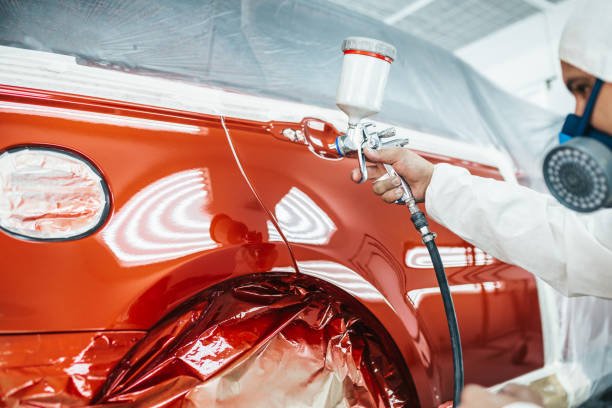
Urethane paint forms a hard, tough surface that resists chips, chemicals, and fading better than most alternatives. Many professional shops prefer it for vehicles that face sun, road debris, and frequent washing.
Trade Offs to Know
The material costs more, and it requires careful application and proper safety equipment. Because of this, it is best handled by trained technicians rather than as a weekend project.
Basecoat and Clear Coat: The Everyday Favorite
Most modern vehicles leave the factory with a color layer topped by a protective clear coat, and many repaint jobs follow the same method. The color goes on first, then the clear layer adds depth, gloss, and protection from sunlight and scratches. This system also allows small areas to be repaired and blended more easily than older paint types. If you want a balance of looks, protection, and price, this is usually the safest choice. A careful shop offering Auto painting in Santee CA will explain how many clear coat layers they apply and how long the paint needs to cure before washing.
Metallic and Pearl Finishes: Beauty With Staying Power
Sunlight and Fading
Metallic and pearl paints contain tiny reflective particles that give vehicles a deep, shifting shine. When protected by a quality clear coat, they hold their color well even under strong sun.
Repair Challenges
Matching these finishes after a scratch or dent can be tricky. Skilled painters blend the new paint into neighboring panels so the color flows naturally, which may add to the overall cost.
Single Stage Enamel: The Budget Friendly Pick
Single stage paint combines color and gloss in one layer, which makes the process faster and more affordable. It works well for work trucks, older vehicles, and projects where cost matters most. The downside is that it has no separate clear layer to absorb damage, so it tends to dull and oxidize sooner, especially in direct sunlight. Regular waxing helps extend its life, and parking in shade makes a noticeable difference. If your goal is a clean, uniform look on a tight budget, single stage paint can still deliver good results when it is applied properly.
Matte and Satin Finishes: Style That Needs Extra Care
Washing Matters
Matte surfaces show oils, fingerprints, and water spots more easily. Gentle hand washing with products made for matte paint helps prevent shiny patches and streaks.
No Polishing Allowed
Traditional wax and polish can ruin a matte look by adding unwanted shine. Because scratches cannot be buffed out, repairs often mean repainting an entire panel.
Side by Side Comparison
This quick table shows how the five options compare. Costs and results vary by shop and vehicle, so use it as a general starting point.
| Paint Option | Durability | Cost Level | Best For |
|---|---|---|---|
| Urethane | Excellent | Higher | Daily drivers and trucks |
| Basecoat and clear coat | Very good | Medium to higher | Most cars and SUVs |
| Metallic and pearl | Good to very good | Higher | Show quality looks |
| Single stage enamel | Moderate | Lower | Work vehicles and budget jobs |
| Matte and satin | Needs careful upkeep | Higher | Custom and style builds |
What Affects Durability No Matter the Paint
Preparation Comes First
Even premium paint fails when the surface underneath is poorly prepared. Sanding, cleaning, rust treatment, and primer are the foundation of any lasting finish, and good shops never rush them. When comparing quotes for Auto painting in Santee CA, ask what prep work is included.
Aftercare Habits
Wash gently, avoid harsh chemicals, and keep the vehicle out of constant direct sun when possible. Allow new paint to cure fully before waxing, and follow your technician’s advice on timing.
Final Thoughts
The best finish depends on your vehicle, your budget, and how you plan to use it. Durable options like urethane and clear coat systems suit most drivers, while specialty finishes reward extra care. A dependable Auto painting in Santee CA starts with honest advice, proper prep, and a finish matched to the way you drive.
Frequently Asked Questions
How long does a full repaint usually take?
Most full repaints take several days to a couple of weeks, depending on prep work and the type of paint. Extra bodywork or custom colors can extend the timeline. Ask your shop for a clear schedule before work begins.
Can a shop repaint just one panel?
Yes, a single panel can be repainted, and technicians blend the color into nearby areas for a seamless look. Results depend on how well the new paint matches the old. Faded or older paint may need a larger blend area.
How soon can I wash my car after painting?
It is usually best to wait several weeks before washing with soap and several months before waxing. Fresh paint needs time to cure completely. Your technician will give exact timing for the product they used.
Does a new paint job increase resale value?
A clean, even finish can improve curb appeal and make a vehicle easier to sell. However, a poor repaint with mismatched color may hurt value. Quality prep and a trusted shop make a real difference.