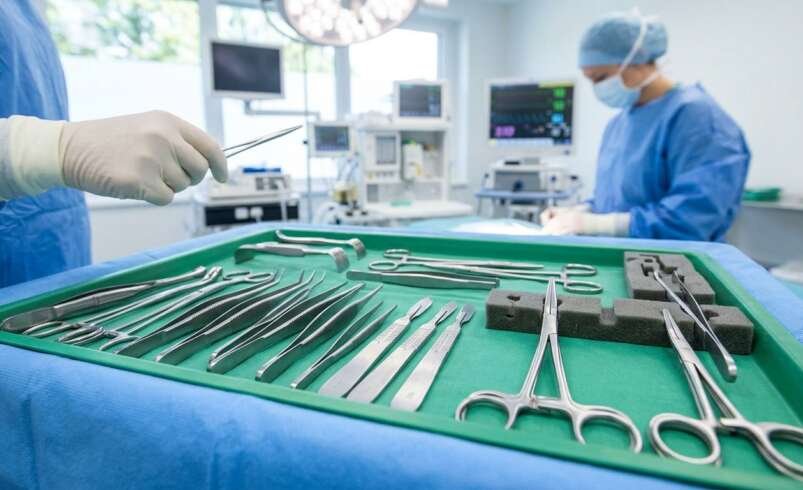

Surgery requires proper planning, skilled medical professionals, and reliable tools. Surgical Instruments are specially designed to help doctors perform different tasks during medical procedures. Each instrument has a specific purpose, such as cutting, holding, clamping, retracting, suturing, or removing fluids. The type of instrument used depends on the procedure and the part of the body being treated.
Hospitals and surgical centers use many different instruments for general and specialized procedures. Some tools are simple and used in many operations, while others are made for a specific medical field. Understanding the different types helps healthcare professionals select the right tools for each procedure.
Cutting Instruments
Cutting instruments are among the most common types used during surgery. They help surgeons make incisions, separate tissue, remove damaged areas, or cut other materials used during an operation. Scalpels and surgical scissors are common examples.
Scalpels are designed to make precise cuts in tissue. Surgical scissors are available in different sizes and shapes for cutting soft tissue, sutures, and other materials. Some scissors have straight blades, while others have curved blades depending on their intended use.
The sharpness and design of cutting tools are important. A properly maintained instrument allows the surgeon to make controlled movements and complete the required task with less effort.
Grasping Instruments
Grasping instruments are used to hold, lift, move, or handle tissue during surgery. Forceps are one of the most widely used tools in this group. They are available with different tips and sizes to suit different procedures.
Some forceps have smooth tips for delicate tissue, while others have teeth or textured surfaces for a stronger grip. The choice depends on the type of tissue and the task being performed.
Grasping tools help surgeons maintain control over the surgical area. They can also reduce the need to use fingers directly, allowing the medical team to work more carefully.
Clamping Instruments
Clamping instruments are used to hold tissue or control blood vessels during an operation. Hemostatic clamps are commonly used to help control bleeding by temporarily closing blood vessels.
Different clamps are designed for different sizes of vessels and types of procedures. Some have straight jaws, while others have curved jaws to provide better access to certain areas.
A properly designed clamp provides a secure grip without unnecessary movement. These instruments are important in many types of surgery where control of bleeding is required.
Retracting Instruments
Retractors are used to move tissue away from the surgical area. They help create a clearer view and provide better access to the part of the body being treated.
Some retractors are handheld, meaning a member of the surgical team holds them during the operation. Others are self-retaining and can remain in position without continuous manual support.
Retractors come in many shapes and sizes. The right type depends on the location and depth of the surgical area. They are used in general, orthopedic, cardiovascular, abdominal, and other surgical procedures.
Suturing Instruments
After a surgical procedure, tissue or an incision may need to be closed. Suturing instruments help surgeons place and manage stitches. Needle holders are commonly used to hold a surgical needle securely.
Needle holders are designed with strong jaws that allow the surgeon to control the needle while passing it through tissue. Different sizes are available for different procedures.
Surgical scissors may also be used to cut suture material after the stitch has been placed. Together, these tools help surgeons complete the closing stage of many operations.
Suction Instruments
Suction instruments are used to remove blood, fluids, and other material from the surgical area. Keeping the area clear helps surgeons see the tissue and structures they are treating.
Suction tubes come in different designs based on the procedure. Some are used for general surgery, while others are made for specific areas of the body.
Proper suction can improve visibility and help the surgical team maintain a clean working area. These instruments are commonly used during procedures where fluids may collect around the treatment site.
Orthopedic Instruments
Orthopedic surgery focuses on bones, joints, muscles, and related structures. These procedures require tools that can handle the strength of bone while still providing good control. Orthopedic Instruments are designed for these specialized medical needs.
Bone cutters, bone holding forceps, osteotomes, chisels, mallets, rongeurs, and orthopedic retractors are commonly used in this field. Each tool performs a different task during bone and joint procedures.
Bone holding forceps can help keep a bone in place, while osteotomes and chisels may be used to cut or shape bone. Other tools are used to remove damaged bone or provide access to the treatment area.
The strength and design of these instruments make them suitable for orthopedic procedures. Different sizes are available so surgeons can select the right tool for the specific area being treated.
Cardiovascular Instruments
Cardiovascular surgery involves the heart and blood vessels. Because these areas can be delicate, surgeons require instruments that provide careful control and precise handling. Cardiovascular Instruments are designed for procedures involving the cardiovascular system.
Vascular clamps, fine forceps, surgical scissors, needle holders, and specialized retractors are examples of tools used in this field. These instruments help surgeons work with small blood vessels and delicate tissue.
Many cardiovascular tools have fine working ends that allow surgeons to perform detailed tasks in small spaces. Their design helps support careful handling and controlled movements during complex procedures.
General Surgical Instruments
General surgery uses a wide range of instruments for different procedures. These may include scalpels, scissors, forceps, clamps, retractors, needle holders, and suction tools.
General Surgical Instruments are designed for common tasks that may be required in many operations. Their availability allows surgical teams to prepare for procedures involving different parts of the body.
The size and design of a general instrument can vary depending on its purpose. For example, a surgeon may choose a small forceps for delicate tissue or a larger instrument when a stronger grip is needed.
Specialized Surgical Instruments
Some instruments are designed for specific medical fields. Dental surgery, ENT surgery, neurosurgery, plastic surgery, gynecology, and other specialties all use specialized tools.
Neurosurgical instruments are often small and fine because surgeons work around sensitive structures. Dental instruments are designed for work inside the mouth, while ENT tools are made for procedures involving the ear, nose, and throat.
Specialized tools help doctors perform tasks that may be difficult with standard instruments. Their design is based on the needs of the medical field and the area of the body being treated.
Diagnostic and Exploring Instruments
Some medical tools are used to examine or explore tissue before or during a procedure. Probes, dilators, and other exploring tools can help doctors understand the size, depth, or condition of a particular area.
These instruments may be used to guide treatment or help the surgeon understand the area before performing another step. Their design allows them to be used carefully without causing unnecessary damage to surrounding tissue.
The correct instrument depends on the procedure and the body area being examined. Proper handling is important when using these tools around sensitive tissue.
Materials Used in Surgical Instruments
The material used to make an instrument affects its strength, durability, and performance. Medical-grade stainless steel is commonly used because it is strong and can resist corrosion when properly cared for.
Many reusable instruments must go through cleaning and sterilization after each procedure. The material needs to handle these processes while maintaining its shape and function.
Good manufacturing is also important. Smooth surfaces, strong joints, accurate tips, and comfortable handles can improve the overall performance of an instrument.
Choosing the Right Type
Selecting the correct Surgical Instruments depends on the procedure, body area, and specific task. A tool designed for cutting should not be used for a task that requires clamping or holding.
Medical teams should understand the purpose of each instrument before using it. Instruments should also be inspected before a procedure to make sure they are clean and free from damage.
Proper selection can help improve control and support an organized surgical process. Regular maintenance and correct storage also help keep reusable instruments ready for future procedures.
Conclusion
There are many types of Surgical Instruments, and each has an important role in modern healthcare. Cutting, grasping, clamping, retracting, suturing, suction, and exploring instruments all help surgeons perform different tasks during medical procedures.
Specialized tools such as Orthopedic Instruments are designed for bone and joint procedures, while Cardiovascular Instruments support delicate operations involving the heart and blood vessels. Choosing the right instrument for each task, along with proper cleaning and maintenance, helps medical professionals perform procedures with better control, accuracy, and efficiency.