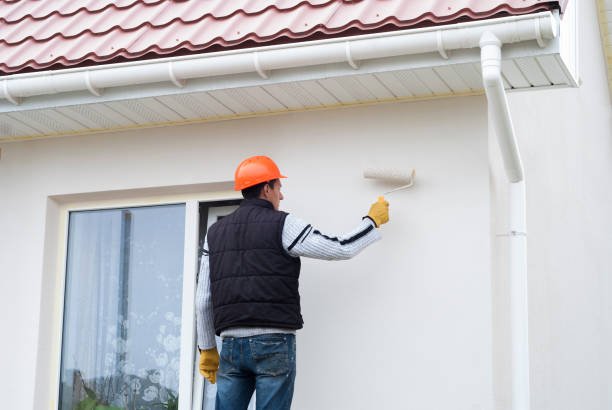

A fresh coat of color can transform a home, but paint is only as good as the surface it sticks to. Strong high-altitude sun, sudden hail, and wide temperature swings are tough on siding, trim, and stucco along the Front Range. If small problems are ignored, new paint can peel, bubble, or crack within a few seasons. Homeowners planning Exterior painting in Henderson CO get far better results when they handle the little repairs first, and DenCo Custom Painting LLC lists the fixes that matter most below.
Walk the Property With a Critical Eye
Start with a slow lap around the house, looking at every wall, window, and door. Take notes and photos so nothing gets forgotten. Look for these common warning signs:
- Peeling, bubbling, or cracked paint
- Gaps in caulk around windows and trim
- Soft, dark, or spongy wood
- Chalky residue that rubs off on your hand
- Stains, mildew, or rust streaks
This simple inspection becomes your repair checklist.
Wash Away Dirt, Chalk, and Mildew
Dirt and chalky residue keep paint from bonding. Wash the exterior with a gentle cleaner and a soft brush or a low-pressure rinse, since high pressure can damage siding and force water behind boards. Mildew needs a proper cleaning solution, not just water. A careful Exterior painting in Henderson CO project always allows the house to dry fully after washing before any scraping or painting begins.
Scrape and Sand Loose Paint
Where Paint Fails First
Paint tends to fail on south and west faces, where sun is strongest, and near rooflines, sills, and the bottoms of doors. Scrape anything that lifts easily, because new paint on top of loose paint will fail with it.
Tools That Help
A sharp scraper, a wire brush, and sanding blocks handle most jobs. Feather the edges of remaining paint so ridges do not show through. Older homes may contain lead paint, so follow safe practices and consult a professional if you are unsure.
Replace or Repair Rotted Wood
Paint cannot save wood that has already softened. Probe suspicious areas with a screwdriver, and cut out damaged sections. Small spots can be filled with a quality wood hardener and filler, while larger areas need new boards. Fixing rot now prevents moisture from spreading behind the siding.
Re-Caulk Gaps and Seams
Caulk shrinks and cracks over time, especially after repeated freezing and thawing. Remove old, brittle caulk and apply a flexible, paintable exterior product along trim, window frames, and joints. Smooth each bead with a damp finger or tool. Proper sealing keeps water and drafts out and gives paint a clean edge.
Patch Cracks in Stucco or Siding
Hairline cracks can allow moisture in, and winter freezing makes them grow. Fill stucco cracks with an elastomeric patch suited to your surface, and replace or repair damaged siding pieces. Let each repair cure according to the label before painting over it.
Mind the Gutters and Downspouts
Overflowing gutters stain walls and soak the base of the house. Clean them out, check for leaks, and make sure downspouts carry water away from the foundation. Fresh paint will not last long where water keeps running down the wall.
Trim Back Plants and Branches
Shrubs and branches that touch the house trap moisture and scratch paint. Cut them back several inches so air can circulate and painters can work safely. Covering delicate plants and moving outdoor furniture also helps protect your landscaping during the project.
Prime Bare Spots Before Color Goes On
Spot Priming
Wherever you have sanded to bare wood, patched stucco, or applied filler, use a primer designed for exterior surfaces. This helps topcoat paint look even and stick better. Skipping this step leaves dull patches called flashing that show in sunlight.
Full Priming When Needed
If you are making a dramatic color change or painting a chalky surface, a full coat of primer may save extra topcoats. A trustworthy provider of Exterior painting in Henderson CO will explain when primer is necessary and which product fits your siding.
Protect Windows, Doors, and Fixtures
Remove or cover light fixtures, house numbers, and hardware, and mask glass and trim carefully. Check the weather forecast and the temperature range printed on the paint label, since paint needs the right conditions to cure. Choosing a calm, dry stretch of days makes a visible difference in the final finish.
Final Thoughts
Small repairs may not be glamorous, but they decide how long your new paint will look good. Inspect carefully, fix problems early, and work with professionals who explain each step. When you are ready to talk with a dependable Exterior painting in Henderson CO, bring your photos and your questions.
Frequently Asked Questions
When is the best time of year to paint the outside of a house?
Many painters prefer late spring through early fall, when temperatures are mild and rain is less likely. Always check the temperature range listed on the paint label. Avoid painting in extreme heat, strong wind, or when freezing temperatures are expected.
How long should I wait after washing before I paint?
Surfaces need to be fully dry, which can take a day or more depending on weather and the material. Moisture trapped under paint can cause bubbling and peeling. If you are unsure, ask your painter or use a moisture meter on wood.
Do I need to remove all the old paint before repainting?
Usually not, but any loose, peeling, or flaking paint should be scraped away. Sound paint that is well attached can often stay after cleaning and sanding. Your painter can test adhesion and recommend what to remove.
Is primer always necessary for exterior painting?
Primer is strongly recommended over bare wood, patched areas, stains, and chalky surfaces. Some projects on sound, previously painted surfaces may not need a full primer coat. Ask your paint supplier or painter which approach fits your home.