
Pigmentation is one of the most common skin concerns that affects people of different ages and skin types. It appears when certain areas of the skin become darker than the surrounding skin. These dark patches or spots can develop on the face, cheeks, forehead, upper lip, chin, and other parts of the body. Sun exposure, hormonal changes, acne marks, ageing, and skin inflammation are some common reasons behind pigmentation.
Many people look for effective ways to achieve a clearer and more even skin tone. Laser treatments have become a popular option because they can target unwanted pigmentation and improve the overall appearance of the skin. However, the results depend on the type of pigmentation, skin condition, treatment method, and individual response.
At Biolite Clinic, patients can explore suitable skin treatment options based on their concerns and skin goals. Understanding how laser procedures work, what results to expect, and how to care for the skin after treatment can help people make informed decisions.
Understanding Pigmentation and Its Common Causes
Pigmentation develops when the skin produces excess melanin, which is the natural pigment responsible for skin colour. When melanin becomes unevenly distributed or concentrated in certain areas, dark spots and patches may appear.
There are different types of pigmentation, and each may require a different treatment approach.
Sunspots and Age Spots
Sunspots develop because of long-term exposure to ultraviolet rays. They commonly appear on areas that receive frequent sunlight, such as the face, hands, neck, and shoulders. These spots may become more noticeable with age.
Melasma
Melasma appears as brown or greyish patches, usually on the forehead, cheeks, nose, and upper lip. Hormonal changes, pregnancy, sun exposure, and genetic factors can contribute to this condition. Melasma can be difficult to manage and may require a carefully selected treatment plan.
Post-Acne Pigmentation
After acne heals, some people develop dark marks where pimples previously appeared. These marks are known as post-inflammatory hyperpigmentation. They can remain visible for several months without proper skincare and treatment.
Lip Pigmentation
Lip pigmentation causes the lips to appear darker or uneven in colour. Sun exposure, genetics, smoking, irritation, and certain cosmetic products may contribute to this concern. Specialised treatment may be needed because the lips are more delicate than facial skin.
How Does Laser Treatment for Pigmentation Work?
Laser treatment for pigmentation uses focused light energy to target excess melanin in the skin. Depending on the laser technology, the energy may break down concentrated pigment into smaller particles, which the body’s natural processes gradually remove.
The treatment is designed to improve uneven skin tone while keeping the surrounding skin as protected as possible.
Different laser technologies are available, and the appropriate option depends on the type and depth of pigmentation. A skin specialist first examines the affected area before recommending a suitable approach.
The treatment process generally involves the following steps:
- Skin Assessment: The specialist examines the skin, identifies the type of pigmentation, and discusses treatment goals.
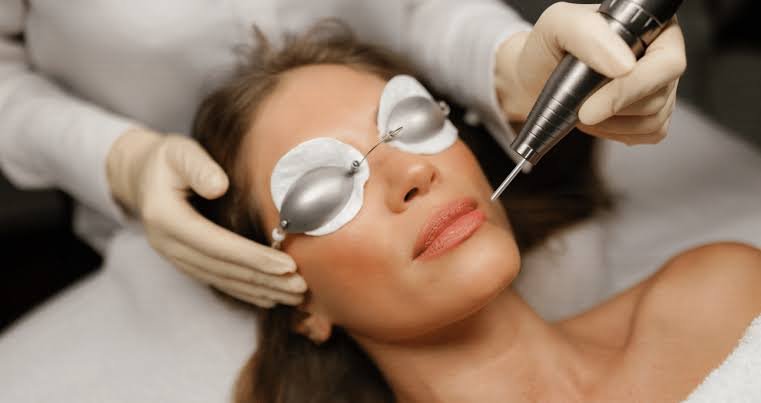
- Skin Preparation: The treatment area is cleaned, and protective eyewear is provided when required.
- Laser Application: Controlled laser energy is directed towards the pigmented areas.
- Aftercare Guidance: Patients receive instructions to protect their skin and support recovery.
The procedure may cause mild warmth, tingling, or a snapping sensation. The level of discomfort depends on the laser type and the individual’s sensitivity.
What Results Can You Expect from Laser Treatment?
One of the main reasons people consider laser procedures is the possibility of achieving a more even complexion. However, results are not always immediate. The skin needs time to respond to the treatment and gradually improve.
At Biolite Clinic, treatment planning should consider the patient’s skin type, pigmentation depth, and expected results.
Reduction in Dark Spots
Laser procedures can help reduce the appearance of certain dark spots caused by sun exposure, ageing, or acne. The targeted pigment gradually becomes less noticeable as the skin heals.
Some spots may improve after one session, while others require multiple treatments. Deeper pigmentation may take longer to respond.
More Even Skin Tone
Uneven skin tone can make the complexion look dull or patchy. By targeting excess pigment, suitable laser treatments may help create a more balanced appearance.
Patients may notice that darker areas become lighter and blend more naturally with the surrounding skin over time.
Improvement in Skin Appearance
Some laser technologies can also improve overall skin texture and appearance. Depending on the device, treatment may support skin renewal and make the complexion look smoother.
However, not every pigmentation laser provides the same skin benefits. The treatment should be selected according to the patient’s main concern.
Gradual and Natural-Looking Results
Laser treatments generally produce gradual changes rather than an instant transformation. The skin needs time to recover, and pigmentation may continue to improve over several weeks.
Following the recommended treatment schedule and skincare routine can help support better outcomes.
How Many Laser Sessions Are Needed for Pigmentation?
The number of sessions depends on the type of pigmentation, its depth, skin sensitivity, and the laser technology being used.
Some people may notice improvement after their first session, while others need several appointments to achieve their desired results.
For example:
- Mild sunspots may respond to a limited number of sessions.
- Post-acne pigmentation may require several treatments depending on its severity.
- Melasma may need a more cautious and long-term management approach.
- Deeper pigmentation may take more time and may not respond completely to laser treatment.
A specialist can recommend the treatment frequency after examining the skin. Sessions should not be repeated too frequently because the skin needs enough time to recover.
Is Laser Treatment Suitable for All Skin Types?
Laser treatments can be used for different skin types, but choosing the correct technology is especially important.
Darker skin tones naturally contain more melanin, which means certain laser settings may increase the risk of irritation or post-inflammatory hyperpigmentation. For this reason, a detailed skin assessment is important before starting treatment.
The specialist may consider:
- Natural skin tone and sensitivity.
- Type and depth of pigmentation.
- Previous skin treatments.
- History of irritation or dark marks.
- Current skincare products and medications.
- Any active skin conditions.
In some cases, a test spot may be recommended before treating a larger area. This helps assess how the skin responds to the selected laser settings.
At Biolite Clinic, patients should discuss their skin history and concerns before choosing a pigmentation procedure.
Lip Pigmentation Treatment: Can Lasers Improve Dark Lips?
Dark or uneven lips can affect the overall appearance of the face. Some people naturally have darker lips, while others develop pigmentation because of sun exposure, irritation, smoking, or repeated lip inflammation.
Lip pigmentation treatment focuses on improving the appearance of darker areas and creating a more even lip tone.
How Does Laser Treatment Help with Lip Pigmentation?
Certain laser technologies may target excess pigment in the lips. The procedure uses controlled energy to break down pigment, allowing the body to gradually clear it.
Since the lips have delicate skin, treatment requires special care. The laser type, energy settings, and number of sessions must be selected carefully.
What Results Can You Expect?
Results depend on the original cause of lip pigmentation and the individual’s skin response. Some patients may experience a gradual improvement in lip tone, while others may need additional sessions.
It is important to understand that laser treatment cannot always create naturally pink lips or completely remove genetic pigmentation.
Lip Care After Treatment
After a lip procedure, following proper care instructions is important. Patients may be advised to:
- Keep the lips moisturised.
- Avoid picking or rubbing the treated area.
- Use suitable lip sun protection.
- Avoid irritating lip products during recovery.
- Follow the specialist’s aftercare instructions.
These steps can help protect the lips and support the healing process.
What Factors Affect Laser Pigmentation Results?
Not everyone experiences the same results from laser treatment. Several factors can influence how well the skin responds.
Type of Pigmentation
Surface-level pigmentation may respond differently from deeper pigmentation. Sunspots and some acne marks can be easier to target than certain forms of melasma.
Skin Type
Skin tone and sensitivity influence laser selection. Using unsuitable settings can increase the risk of irritation or further pigmentation.
Treatment Technology
Different lasers target pigment in different ways. The specialist must choose a device that is appropriate for the patient’s condition.
Sun Exposure
Frequent sun exposure can make pigmentation darker and increase the chances of new spots developing. Protecting the skin from sunlight is essential for maintaining results.
Consistency with Aftercare
Following the recommended skincare routine and attending scheduled appointments can support treatment outcomes. Ignoring aftercare instructions may affect the healing process.
What Happens After Laser Treatment for Pigmentation?
After a laser session, the treated skin may experience temporary redness, warmth, mild swelling, or sensitivity. Some pigmentation may initially appear darker before gradually becoming lighter.
Depending on the laser used, small crusts or temporary changes in skin texture may also develop.
Most mild reactions improve as the skin heals, but recovery time varies between individuals and treatment types.
Patients should avoid unnecessary irritation and follow the specialist’s instructions carefully.
Important Aftercare Tips
Proper aftercare is an important part of achieving and maintaining results.
- Use Sunscreen Regularly
Sun protection is essential after pigmentation treatment. Apply a broad-spectrum SPF 30 or higher sunscreen as recommended by your specialist.
- Avoid Direct Sun Exposure
Try to limit prolonged sunlight exposure, especially during the initial recovery period. Wear a hat and use other protective measures when outdoors.
- Choose Gentle Skincare Products
Avoid harsh exfoliants, scrubs, and strong active ingredients until the skin has recovered and your specialist confirms they can be used again.
- Keep Your Skin Moisturised
Use a gentle moisturiser to support the skin barrier and reduce dryness.
- Avoid Picking the Treated Area
If the skin becomes flaky or develops small crusts, do not scratch or remove them. Allow the skin to heal naturally.
Are There Any Risks of Laser Treatment for Pigmentation?
Laser treatment is generally considered safe when performed using suitable technology and appropriate settings. However, like other cosmetic procedures, it may involve certain risks.
Possible side effects include:
- Temporary redness and swelling.
- Mild discomfort or sensitivity.
- Temporary darkening of pigmentation.
- Light or dark patches after treatment.
- Blistering or crusting in some cases.
- Rarely, scarring or infection.
People with melasma or darker skin tones may have a higher risk of pigmentation changes if the treatment is not selected carefully.
A professional assessment helps identify potential risks and determine whether laser treatment is appropriate.
How Can You Maintain Your Results After Pigmentation Treatment?
Achieving clearer skin is only one part of the process. Maintaining the results requires consistent skincare and protection from factors that trigger excess pigmentation.
Patients can follow these simple habits:
- Apply sunscreen every day.
- Avoid excessive sun exposure.
- Use skincare products suitable for their skin type.
- Avoid unnecessary skin irritation.
- Follow a balanced skincare routine.
- Attend follow-up appointments when recommended.
- Address acne and inflammation early.
Pigmentation can return, especially when the original triggers are still present. Regular care can help reduce the chances of new dark spots developing.
Why Consider Biolite Clinic for Pigmentation Treatment?
Choosing the right clinic is an important step when considering cosmetic skin procedures. Every person’s pigmentation concerns are different, so treatment should be based on an individual skin assessment rather than a general approach.
Biolite Clinic focuses on understanding individual skin concerns and discussing suitable aesthetic treatment options. Before recommending a procedure, important factors such as skin tone, pigmentation type, sensitivity, and treatment expectations should be considered.
Patients should also receive clear information about the procedure, possible side effects, expected recovery, and the number of sessions that may be required.
A personalised approach helps patients understand their options and make informed decisions about improving their skin appearance.
Final Thoughts
Laser treatments can be an effective option for improving certain types of pigmentation and achieving a more even-looking complexion. They may help reduce sunspots, acne marks, and other forms of excess pigmentation when the correct technology is selected.
However, results depend on the pigmentation type, skin tone, treatment method, and aftercare routine. Melasma and genetically darker lips may require additional care and realistic expectations.
Whether someone is considering general pigmentation treatment, laser treatment for pigmentation, or lip pigmentation treatment, a professional skin assessment is an important first step.
At Biolite Clinic, patients can discuss their concerns and explore suitable treatment options based on their individual skin needs. With appropriate treatment planning, realistic expectations, and consistent skincare, it may be possible to achieve a healthier and more even-looking complexion.