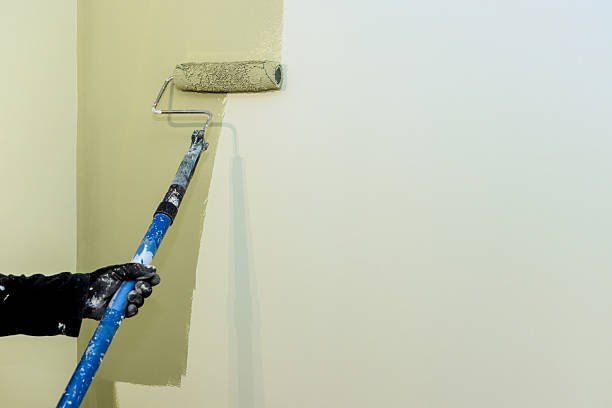

Anyone who has lived along the Front Range knows how quickly the weather can change, and your home’s paint feels every swing. Strong sun, sudden freezes, and dry wind wear down exteriors faster than most people expect. If you are weighing Painting in Aurora CO, timing and preparation matter more than the brand on the can. Teams like Cortez Coatings LLC see the same pattern every year: homeowners who plan ahead spend less and enjoy better results. This guide walks through what to know before the first brush touches the wall.
Why Aurora Weather Puts Paint to the Test
Colorado’s climate is one of the hardest on any coating. Painters who work along the Front Range learn quickly that a finish rated for ten years in a mild region may need attention much sooner here. Understanding the main stress points helps you plan smarter.
Intense Sun and UV Exposure
At this elevation, ultraviolet light is stronger than at sea level. It breaks down the binders in paint, which leads to chalking, fading, and a dull, tired look, especially on south and west facing walls. Dark colors fade fastest, so they call for better quality products.
Freeze and Thaw Cycles
Moisture finds tiny cracks, freezes overnight, and expands. By spring, small gaps become peeling patches. Sealing those gaps before winter is one of the cheapest ways to protect siding, trim, and stucco.
Dry Air and Wind
Low humidity makes paint dry quickly, which sounds helpful but can cause lap marks and poor adhesion if a crew rushes. Wind also carries dust that sticks to wet surfaces. Experienced painters adjust their timing and tools to handle both.
Signs It Is Time to Repaint
Most homeowners wait longer than they should. A few clear signals tell you the protective layer is failing. Look for chalky residue when you rub a hand across the siding, hairline cracks near window frames, bubbling or blistering, and fading that looks uneven from one side of the house to the other. Inside, scuffed hallways, stained ceilings, and walls that no longer wipe clean point to the same conclusion. Catching these signs early usually means lighter prep work and a smaller bill. Waiting until bare wood or exposed stucco shows up often turns a simple repaint into a repair project. A quick walk around your property each spring and fall, notepad in hand, is a habit worth building.
What Proper Preparation Looks Like
Paint is only as good as the surface beneath it. In my experience, most failures trace back to rushed prep rather than the product itself.
Cleaning and Repairs
Pressure washing removes dirt, mildew, and loose paint, but it has to be done at the right pressure to avoid damaging wood or stucco. Next comes scraping, sanding, filling holes, and caulking joints. Every step takes time, and each one affects how long the finish will last.
Priming the Right Way
Primer seals porous areas, blocks stains, and helps the topcoat grip. Bare wood, patched drywall, and glossy old finishes all need it. Skipping primer to save a day is a shortcut that usually shows up as peeling within a couple of seasons.
Choosing Paint and Colors That Last
Quality paint costs more per gallon but covers better and lasts longer, which lowers the true cost over time. For exteriors, look for products with strong UV resistance and flexible acrylic formulas that move with temperature swings. Sheen matters too. Flat finishes hide flaws on walls, satin works well on siding, and semi-gloss stands up to moisture on trim and doors. When choosing colors, test large samples on the wall and watch them in the morning, afternoon, and evening light. Colorado’s bright sun can make a shade look very different than it did in the store. Anyone planning Painting in Aurora CO should also check HOA rules first, since approvals can add weeks to the schedule.
How to Hire a Painter You Can Trust
A good contractor is the biggest factor in how your project turns out. Transparency and clear communication should come before price.
Questions Worth Asking
Ask about license, insurance, and workers’ compensation. Request recent local references and photos of completed work. Find out who will actually be on site and whether the same crew handles the whole job. Clear, direct answers are a good sign.
Reading an Estimate
A solid estimate lists surface preparation, the number of coats, product names, and a timeline. Be cautious of quotes far below the others, since they often cut prep or use thin paint. A written warranty on labor shows the contractor stands behind the work.
Final Thoughts Before You Start
A fresh coat protects your biggest investment and lifts your curb appeal. Plan around the weather, insist on proper prep, and choose materials that suit the climate. If you want dependable Painting in Aurora CO, ask plenty of questions, compare written estimates, and pick a team that explains each step clearly.
Frequently Asked Questions
How often should I repaint my home’s exterior?
In Colorado’s climate, most exteriors need attention every 7 to 10 years, depending on materials, sun exposure, and paint quality. South facing walls often show wear first. Regular inspections help you catch problems early, and a quality finish over good prep can stretch this timeline.
What is the best season for exterior work?
Late spring and early fall usually offer mild temperatures and steady conditions. Avoid days with freezing nights or strong wind, because paint needs stable weather to cure properly. Booking early gives you more flexibility with scheduling.
Do I really need primer?
In most cases, yes. Primer helps the topcoat bond, blocks stains, and evens out porous surfaces. It is especially important on bare wood, repaired areas, and surfaces with a glossy old finish. Skipping it often leads to early peeling.
How long does a typical project take?
A single room often takes one to two days, while a full exterior can take a week or more. Prep, weather, and drying time between coats all play a role. A reliable contractor will give you a realistic timeline in writing.
How should I get ready before the crew arrives?
Move small items and furniture away from walls, trim back bushes near the house, and clear driveways for equipment. Secure pets and let neighbors know about the work. A little preparation on your side keeps the project smooth and on schedule.