
Unexpected roof damage can create stress for commercial property owners, especially when insurance paperwork and repair costs become part of the situation. Storms, heavy rain, hail, and strong winds can cause problems that affect business operations and building safety. Understanding commercial roof insurance claims helps property owners take the right steps after damage occurs. With proper documentation, a professional roof inspection, and clear communication with the insurance provider, businesses can make the claims process easier to manage.
Understanding the Commercial Roof Insurance Claims Process
Filing an insurance claim after commercial roof damage may seem complicated, but understanding the basic process can make things easier. Property owners generally need to report the damage, document the affected areas, arrange a professional inspection, and provide the information requested by their insurance company.
Commercial roof insurance claims often involve several details, including the cause of damage, the condition of the existing roofing system, and the estimated cost of necessary work. Insurance policies can differ significantly, so reviewing coverage before submitting a claim is important.
A typical claims process may include:
- Reporting the damage to the insurance provider.
- Taking photographs of visible roofing problems.
- Arranging a professional roof inspection.
- Collecting estimates and supporting documents.
- Reviewing the insurance adjuster’s findings.
- Understanding the approved scope of work.
Keeping communication organized throughout the process can prevent confusion. Property owners should save emails, inspection reports, receipts, and other documents related to the incident.
Common Causes of Commercial Roof Damage Covered by Insurance
Commercial roofing systems face different weather conditions and environmental challenges throughout the year. While some damage may qualify for insurance coverage, the final decision depends on the policy terms, exclusions, and circumstances surrounding the incident.
Storm and Wind Damage
Strong winds can loosen roofing membranes, damage flashing, and expose sections of the roof to water intrusion. Flying debris may also puncture roofing materials or damage rooftop equipment. After severe weather, a professional inspection can help identify the extent of the damage.
Hail and Heavy Rain
Hail can leave dents, cracks, or other signs of impact on certain roofing materials. Heavy rainfall may expose weak seams, damaged flashing, or existing drainage problems. Water entering the building can affect ceilings, insulation, inventory, and electrical equipment.
Falling Trees and Debris
Trees, branches, and other objects can cause sudden structural damage during storms. These incidents may create openings that require immediate attention to protect the interior of the property.
Understanding Wear and Tear
Not every roofing problem qualifies for insurance coverage. General aging, neglected maintenance, and gradual deterioration may be excluded under many commercial property policies. This is why identifying the actual cause of damage is an important part of commercial roof insurance claims.
Important Steps to Take After Commercial Roof Damage
Taking the right steps immediately after discovering roof damage can help protect your property and support a smoother insurance process. Acting quickly also reduces the chances of additional problems developing while the claim is being reviewed.
Document All Visible Damage
Start by taking clear photographs and videos of affected areas, provided it is safe to do so. Capture damaged roofing materials, interior water stains, fallen debris, and affected equipment. Record the date when the damage occurred and keep notes about any changes you notice.
Prevent Additional Property Damage
If water is entering the building, move valuable items away from affected areas when possible. Use suitable containers to collect dripping water and keep employees away from wet floors or unsafe sections. Never climb onto a damaged roof or attempt dangerous temporary work.
Contact Your Insurance Provider
Notify your insurance company as soon as possible. Ask about reporting deadlines, documentation requirements, inspection procedures, and policy conditions. Keep a record of conversations and save the claim reference number for future communication.
Arrange a Professional Roof Inspection
A qualified commercial roofing contractor can examine the affected areas and identify visible problems. An inspection report, photographs, and a detailed estimate may help provide useful information during the claims review.
Commercial roof insurance claims are easier to organize when property owners have accurate records and understand what their insurance provider needs.
How Professional Roofing Inspections Support Insurance Claims
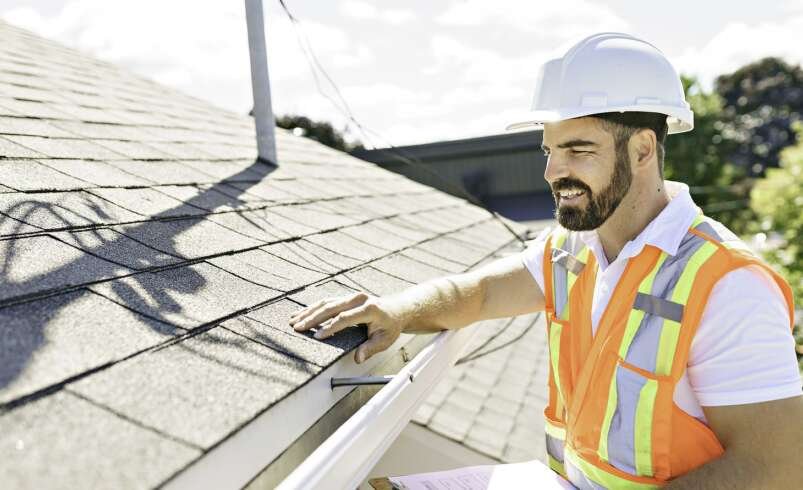
A professional roofing inspection provides important information about the condition of a commercial building. Roofing contractors can examine membranes, flashing, seams, drainage systems, roof penetrations, and other areas where damage may occur.
A detailed inspection can help identify whether the damage appears consistent with a recent storm or another event. Contractors may also document areas that need immediate attention to prevent further water intrusion.
Useful inspection documentation may include:
- Photographs of damaged roofing materials.
- Notes describing affected roof sections.
- Measurements of visibly damaged areas.
- Information about the roofing system and materials.
- Estimates for the required work.
- Recommendations for temporary protection.
It is important to understand that a roofing contractor does not determine insurance coverage or guarantee claim approval. That responsibility belongs to the insurance provider. However, professional documentation can help property owners explain the condition of their building and ask informed questions during the review.
If the insurer and contractor identify different scopes of work, property owners can request clarification and discuss any supporting evidence. Keeping the process transparent helps reduce misunderstandings and supports better decisions.
Choosing the Right Roofing Contractor for Your Insurance Project
Selecting an experienced commercial roofing contractor can make a significant difference when dealing with storm damage and insurance documentation. Business owners should look for professionals who understand commercial roofing systems, communicate clearly, and provide written inspection findings.
Before choosing a contractor, consider these factors:
- Experience with commercial roofing projects.
- Knowledge of different roofing materials and systems.
- Ability to provide detailed inspection reports.
- Clear estimates and explanations of recommended work.
- Proper insurance and licensing where required.
- Experience working with property owners during insurance claims.
Property owners should also avoid contractors who promise guaranteed insurance approval or pressure them into signing agreements without reviewing the details.
Legacy Roofing & General Contracting recognizes the challenges commercial property owners face after unexpected roof damage. Professional roofing assessments, clear documentation, and practical project guidance can help businesses understand the condition of their roofing systems and move forward with greater confidence during the insurance process.
Frequently Asked Questions
How long do commercial roof insurance claims take?
The timeline depends on the insurance provider, the extent of the damage, policy requirements, and the availability of supporting documents. Some claims move quickly, while others require additional inspections or clarification.
What documents are needed for a commercial roof insurance claim?
Common documents include photographs, inspection reports, roofing estimates, maintenance records, proof of ownership, and relevant insurance information. Your insurance provider can explain its specific requirements.
Does insurance cover all types of commercial roof damage?
No. Coverage depends on the policy and the cause of damage. Sudden storm damage may qualify, while normal aging, poor maintenance, and gradual deterioration may be excluded.
Should I get a roof inspection before filing a claim?
A professional inspection can help you understand the damage and collect useful documentation. However, you should also follow your insurer’s reporting requirements and avoid delaying notification while arranging an inspection.
Can a roofing contractor communicate with my insurance adjuster?
A roofing contractor may be able to provide inspection findings, photographs, estimates, and other relevant information. The exact level of involvement depends on the agreement, applicable regulations, and insurance company procedures.
Make Commercial Roof Damage Claims Easier to Manage
Dealing with unexpected roofing damage does not have to become an overwhelming experience. Understanding commercial roof insurance claims, maintaining accurate records, and arranging a professional inspection can help business owners approach the process with confidence. From storm damage and roof leaks to damaged flashing and water intrusion, every issue deserves proper attention.
Taking action early can help protect your building, reduce additional damage, and keep your business moving forward. Do not let roofing concerns create unnecessary stress. Call Now to discuss your commercial roofing needs and Schedule Your Service with an experienced roofing professional.