
Introduction
Staying physically active offers many benefits, from improving fitness and strength to supporting mental well-being. Whether you enjoy running, cycling, swimming, playing football or attending regular gym sessions, movement plays an important role in maintaining a healthy lifestyle. However, physical activity can also place stress on muscles, joints, tendons and ligaments, particularly when training intensity increases or recovery is insufficient.
Sports physiotherapy is not only for professional athletes. It can benefit anyone who participates in regular exercise and wants to maintain better physical function. Through individual assessments, targeted exercises and rehabilitation strategies, physiotherapy can help manage sports-related injuries and improve movement.
For individuals looking for top physiotherapy treatment in Edinburgh, sports-focused care can provide practical support for staying active, recovering from physical strain and working towards personal fitness goals.
Who Can Benefit from Sports Physiotherapy?
Sports physiotherapy supports people with different activity levels and fitness backgrounds. You do not need to compete professionally to experience the benefits.
It may be useful for:
- Regular gym users: People who experience muscle soreness, joint discomfort or movement restrictions during training.
- Runners and cyclists: Individuals dealing with repetitive strain, knee discomfort or lower-limb injuries.
- Team sport players: Participants in football, rugby, basketball and other sports involving sudden movements and physical contact.
- Fitness beginners: People who want to build strength and improve movement before increasing their exercise routine.
- Active older adults: Individuals who want to maintain mobility, balance and physical confidence.
Treatment should always reflect the person’s health, activity level, injury history and individual goals.
Five Ways Sports Physiotherapy Supports an Active Lifestyle
1. Helps Identify and Manage Sports Injuries
Sports injuries can happen suddenly or develop gradually through repeated physical stress. Muscle strains, ankle sprains, tendon problems and knee pain are common concerns among active individuals.
A sports physiotherapist assesses the affected area, reviews how the injury occurred and examines movement patterns. This helps identify possible contributing factors and determine an appropriate rehabilitation approach.
Depending on the injury, treatment may include controlled movement exercises, progressive strengthening, mobility work and advice on modifying activities.
Early assessment can also help individuals avoid continuing exercises that unnecessarily aggravate their symptoms.
2. Improves Strength, Flexibility and Movement Control
Physical fitness involves more than building muscle. Good movement also requires flexibility, coordination, balance and the ability to control the body during different activities.
Sports physiotherapy can address weaknesses or movement restrictions that affect exercise performance. A tailored programme may include:
- Progressive resistance exercises.
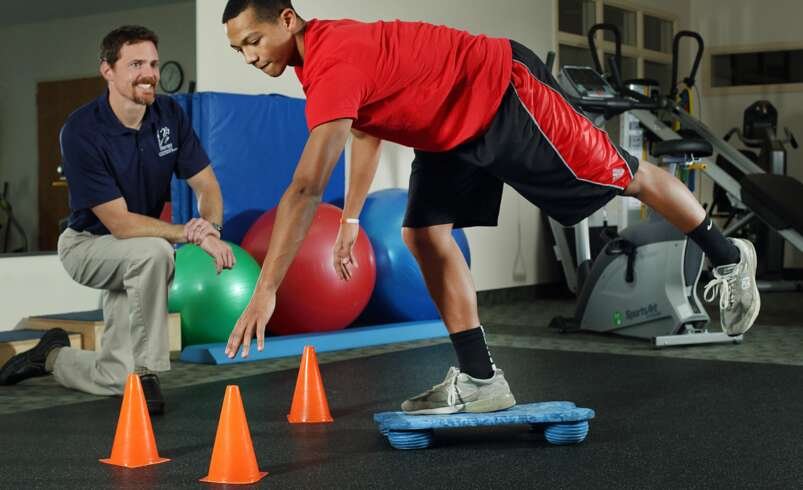
- Balance and stability activities.
- Mobility exercises for restricted joints.
- Core strengthening.
- Coordination and movement-control training.
For example, a runner may benefit from exercises that develop hip strength and lower-limb control, while a swimmer may require a programme focused on shoulder mobility and strength.
People seeking top physiotherapy treatment in Edinburgh can benefit from an approach that considers the physical demands of their preferred activities rather than relying on general exercises alone.
3. Supports Injury Prevention
Although no treatment can guarantee that an injury will never occur, appropriate preparation and exercise planning can help reduce certain injury risks.
A physiotherapist may review previous injuries, muscle strength, balance, movement technique and training habits. This information can help identify areas that may benefit from additional attention.
For example, someone who regularly plays football may need exercises involving controlled landing, balance, leg strength and changes of direction. Meanwhile, a person who enjoys weight training may benefit from improving movement technique and gradually increasing resistance.
Injury prevention also involves managing training demands. Increasing exercise intensity too quickly without allowing enough recovery may contribute to physical overload.
4. Makes Recovery More Structured
Experiencing an injury can be frustrating, particularly when it interrupts an established exercise routine. Returning to activity too early may increase discomfort or create difficulties during recovery.
Sports physiotherapy provides a structured approach that allows rehabilitation to progress according to the individual’s condition.
A typical recovery programme may involve:
Initial stage: Managing symptoms and maintaining comfortable movement where appropriate.
Strength development: Introducing exercises that rebuild muscle capacity and support the affected area.
Functional training: Practising movements related to everyday activities and the individual’s chosen sport.
Return to exercise: Gradually increasing training demands while monitoring symptoms, strength and movement quality.
This progression helps individuals understand what their bodies can currently manage and when additional challenges may be appropriate.
5. Builds Confidence After an Injury
Physical recovery is not always the only challenge after a sports injury. Some people feel nervous about running, jumping, lifting weights or returning to contact sports.
This lack of confidence may affect participation even after pain has improved.
Physiotherapy can help rebuild confidence through controlled exercises and gradual exposure to sport-specific movements. As individuals develop strength and improve their ability to perform these activities, they may feel more comfortable returning to their usual routines.
The process should consider both physical readiness and personal concerns rather than relying on a fixed recovery date.
Common Sports Injuries That May Require Physiotherapy
Different sports place different demands on the body. As a result, injury patterns can vary depending on the type of activity, training frequency and movement involved.
Some common conditions include:
Ankle sprains: Often associated with sudden twisting or landing awkwardly. Rehabilitation may focus on ankle mobility, balance and strength.
Hamstring strains: These injuries can occur during sprinting or sudden acceleration. Recovery may involve progressive strengthening and controlled running activities.
Knee pain: Repetitive loading, changes in training volume or certain movement patterns may contribute to knee discomfort. Treatment depends on the underlying cause.
Shoulder injuries: Throwing, swimming and weightlifting can place repeated demands on the shoulder. Appropriate rehabilitation may address strength, mobility and movement control.
Tendon-related problems: Repeated loading can contribute to tendon pain, particularly around the Achilles tendon, knee or elbow. Management often requires carefully progressed exercise.
A suitable assessment helps determine which treatment options are appropriate for each condition.
What Makes a Sports Physiotherapy Programme Effective?
Successful rehabilitation should reflect the individual’s physical requirements rather than follow the same routine for everyone.
An effective programme generally considers:
- Personal goals: Whether the individual wants to return to recreational exercise, competitive sport or everyday physical activity.
- Training history: Previous injuries, exercise frequency and current fitness levels.
- Physical demands: The strength, speed, flexibility and coordination required for the chosen activity.
- Recovery progress: Changes in symptoms, movement ability and exercise tolerance.
- Long-term maintenance: Strategies for managing training loads and maintaining physical capacity.
Choosing top physiotherapy treatment in Edinburgh means looking for professional care that includes assessment, personalised rehabilitation and regular progress reviews.
Everyday Habits That Support Better Sports Performance
Physiotherapy works best when supported by sensible habits outside treatment sessions. Small adjustments to your routine can help maintain physical readiness and improve recovery.
Consider these practical steps:
- Warm up gradually before demanding exercise.
- Increase training intensity and duration progressively.
- Include strength and mobility exercises in your routine.
- Allow sufficient recovery between challenging sessions.
- Wear appropriate footwear and use suitable exercise equipment.
- Pay attention to unusual or persistent pain rather than repeatedly training through it.
If discomfort continues, becomes more severe or affects normal movement, seek professional assessment before increasing your activity.
Conclusion
Sports physiotherapy offers valuable support for people who want to remain active, manage injuries and improve their physical abilities. It combines individual assessment, targeted exercise and gradual rehabilitation to address the demands of different sports and exercise routines.
Whether you are a regular gym user, recreational runner or team sport participant, professional guidance can help you understand your physical needs and work towards realistic activity goals.
With top physiotherapy treatment in Edinburgh, active individuals can receive tailored support to improve movement, build strength, manage sports-related problems and return to exercise with greater confidence.