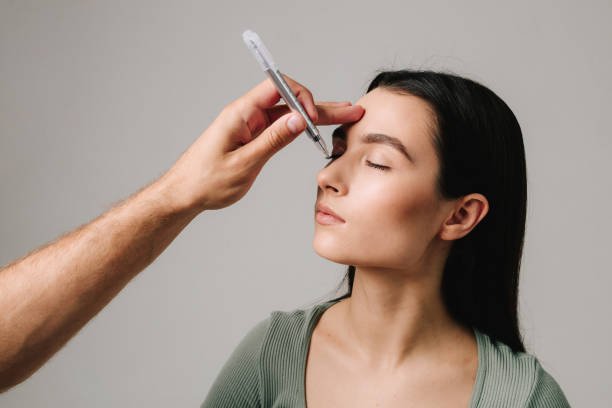
The appearance of the eyes can influence how refreshed, alert, and balanced the entire face looks. Excess eyelid skin, prominent fat pockets, or age-related changes around the eyes may create a heavier appearance and make the natural eyelid contours less visible. For individuals considering Eyelid surgery in Riyadh (جراحة رأب الجفن في الرياض), understanding how the procedure may improve eyelid definition can help them explore suitable options. The goal is not to change the natural character of the eyes but to address specific concerns while maintaining facial harmony and normal eyelid function.
How Eyelid Changes Affect Eye Definition
The upper and lower eyelids contribute to the shape and expression of the eyes. With age, skin may gradually lose elasticity, resulting in folds or looseness around the eyelid area. Some people naturally have fuller upper eyelids or visible lower eyelid fat pockets, which can make the eyes appear less defined. These features vary from person to person and do not always indicate a need for surgery.
Changes in eyebrow position, facial structure, and skin quality can also influence how open the eyes appear. In some cases, drooping of the upper eyelid itself, known as ptosis, may contribute to a reduced opening. This condition differs from excess skin and requires a specific assessment. Identifying the actual cause is an important part of choosing an appropriate treatment.
How Eyelid Surgery Can Create a More Open Appearance
Eyelid surgery, also called blepharoplasty, may improve selected concerns involving excess skin and tissue around the eyes. Upper eyelid surgery commonly removes or repositions carefully assessed amounts of loose skin and, when appropriate, underlying tissue. This can make the natural eyelid crease more visible and reduce folds that contribute to a heavy appearance.
For suitable patients, Eyelid surgery in Riyadh may also involve lower eyelid treatment to address prominent fat pockets or excess skin beneath the eyes. Depending on the patient’s anatomy, the surgeon may recommend an incision below the lower eyelashes or inside the eyelid. The choice depends on skin condition, eyelid support, and the specific concern being treated.
Improving the Natural Definition of the Upper Eyelids
When excess skin gathers over the upper eyelid, it may partially cover the natural crease and create a less defined contour. Upper blepharoplasty is designed to address this concern by removing an appropriate amount of excess skin. The incision is generally planned within the natural eyelid fold so that the scar can be less noticeable as healing progresses.
However, not every heavy-looking upper eyelid is caused by loose skin. A low eyebrow position, naturally fuller eyelids, or eyelid muscle weakness may produce a similar appearance. A detailed examination helps determine whether upper eyelid surgery alone is suitable or whether another approach should be considered.
Addressing Under-Eye Fullness for Better Balance
Fullness beneath the eyes can create shadows and make the eye area appear tired. In selected cases, lower eyelid surgery may reduce the prominence of fat pockets or improve the appearance of loose skin. The surgeon evaluates whether the concern is related to fat distribution, skin laxity, or another feature of the lower eyelid.
The treatment plan should preserve a natural transition between the lower eyelid and cheek. Removing too much tissue may create an undesirable hollow appearance or affect eyelid support. For this reason, the aim is careful correction rather than removing as much tissue as possible.
Who May Be Suitable for Eyelid Surgery?
People with excess upper eyelid skin, persistent lower eyelid bags, or age-related eyelid changes may wish to explore surgical treatment. Suitability depends on general health, eye health, skin condition, eyelid structure, and realistic expectations. Individuals with dry eyes, thyroid-related eye conditions, previous eye surgery, or problems with eyelid closure should discuss these concerns during the consultation.
A patient experiencing actual eyelid drooping or changes in vision may need an eye specialist’s assessment before considering cosmetic surgery. Sudden eye bulging, pain, redness, double vision, or vision changes should receive prompt medical evaluation rather than being treated as a cosmetic concern.
What to Expect During Recovery
After surgery, temporary swelling, bruising, tightness, and mild discomfort may occur around the treated area. Recovery varies depending on the procedure, the individual’s healing response, and whether upper or lower eyelid surgery is performed. Patients should follow instructions about cold compresses, cleaning the area, prescribed medication, and activity restrictions.
Strenuous exercise, rubbing the eyes, and wearing eye makeup may need to be avoided for a period determined by the surgeon. Follow-up visits help monitor healing and assess eyelid position. Patients should seek urgent medical attention if they experience sudden vision changes, severe pain, or significant bleeding.
Understanding the Risks and Expected Results
Eyelid surgery can improve selected structural concerns, but results differ according to individual anatomy and healing. The procedure cannot guarantee perfectly symmetrical eyes or eliminate every fine line, dark circle, or sign of aging. Potential complications include infection, bleeding, noticeable scarring, dry eyes, asymmetry, changes in eyelid position, and difficulty closing the eyes. Although serious vision complications are rare, they should be discussed before consent.
A careful consultation helps patients understand the possible benefits and limitations. The surgeon can explain which features may improve, what will remain unchanged, and whether another treatment or no procedure may be more appropriate.
Book an Eyelid Surgery Consultation at Royal Clinic Saudi
A more defined eye area begins with understanding the features that influence its appearance. At Royal Clinic Saudi (العيادة الملكية السعودية), individuals can arrange a consultation to discuss their concerns, learn about suitable eyelid treatment options, and understand the assessment and preparation process. A personalized discussion can help establish realistic expectations and support an informed decision about Eyelid surgery in Riyadh.
Frequently Asked Questions
1. Can eyelid surgery make the eyes look more open?
It may create a more open appearance when excess upper eyelid skin is contributing to a heavy look.
2. Does eyelid surgery improve both upper and lower eyelids?
It can address either area or both, depending on the patient’s anatomy and treatment needs.
3. Is eyelid surgery suitable for everyone with puffy eyes?
No. Puffiness can have several causes, and a professional assessment is needed to identify the appropriate approach.
4. Will eyelid surgery change my natural eye shape?
The goal is generally to improve selected eyelid concerns while preserving natural features, but individual results vary.