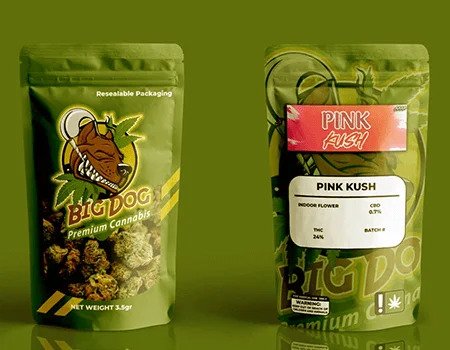

Well-designed packaging is much more than protecting the product – it’s an opportunity to introduce a brand, entice potential buyers, and bring some magic to the everyday. Mylar Bags are a practical choice if your business wants to marry these seemingly opposing goals. Their even finish, flexibility, and range of surface and design options mean they can work just as well for products needing high-level protection as those looking for a smart, sophisticated finish.
You can select designs that align with your brand, whether you’re a small artisan business or a big retailer. A simple, understated look could be appropriate for an upmarket product, whereas bold, colourful illustrations might add a whimsical touch. The best packaging option will be dictated by the nature of your product, your target audience, and its usage and storage.
A Stylish Look with Useful Options
A wide array of shapes, sizes, and finishes is possible for these pouches. A matte finish has a soft, contemporary appearance, whereas a gloss finish brings colour to life. A see-through window allows consumers a sneak peek at the product whilst bespoke printing can convey the character of a product.
Packaging design is all about striking a balance between style and functionality. A resealable zipper can enhance the user experience by allowing a package to easily open and close after purchase. A tear notch may enable your customer to effortlessly access the product inside.
Consider the packaging format; a flat package or a stand-up pouch might work better for the display of your packaging. Design your packaging with the perspective of a consumer, online store, and retailer in mind.
Choosing the Right Format
Initially, determine the dimensions, weight, and storage conditions of your product. The pouch should have a comfortable fit, avoiding an overly slack appearance. Consider the volume of information required on your pouch, as ingredient, usage, or product information may dictate how much space is left for design.
Once you’ve found a design that works, it makes sense to test your design on the real thing rather than relying on a screen. Make sure that you get print samples and test everything from the size and text of your typography, the overall colour, to the quality of the print itself. Check if you are happy with the feel of the pouch, closure type, colours, and size to make sure that the end result is exactly what your brand is hoping for.
Think about these five things for a quick planning checklist:
Ensure the dimensions of the pouch are a good fit for the product and provide enough room to seal it properly.
- Surface: Decide whether your desired finish aligns better with a matte, gloss, or another option.
- Access: A package that can be opened easily tends to be preferred. Consider if a zipper, tear notch, or other element would be beneficial.
- Artwork: Keep font sizes sufficient so the names can be read from a distance.
- Inspect a sample in person before making any decisions about proceeding with full-scale production.
Making the Design Feel Distinctive
An effective packaging design doesn’t have to be complicated. Consider a single brand color, your logo, and product descriptors to create a consistent look. Using contrast can help emphasize important areas – the name of the product and why consumers want it. Don’t feel the need to fill every space with words or visuals. A little whitespace can give the impression your design is more deliberate.
Keeping your package design consistent across a range of products makes it easier to identify related items in a range. Using the same colors and layouts helps with this. Changing these slightly to differentiate between types or sizes of product prevents the designs from becoming monotonous. Boxo Packaging is a great resource when you want to compare different types of designs and figure out what style of presentation would be best for you.
A Thoughtful Finish from Shelf to Home
Good packaging enriches the buying experience before, during, and after the sale, makes a product more attractive, aids the user in its handling, and lends an air of professionalism to the brand. Packaging should balance utility and aesthetics to avoid being perceived as an afterthought.
Your Mylar packaging can be customized for your specific product and brand image, but as always, the best packaging results from careful consideration and testing. Put your customer first, make sure the packaging format fits the product, and use designs that are clear and effective.
Window Packaging: A Stylish Way to Showcase Products
When a Window Packaging is incorporated into a packaging, it can offer the benefits of allowing consumers a peek at what is inside the box while still maintaining the exterior of the packaging neat and tidy. This window feature is ideal for a range of products, including food and treats, gifts, bath and body, craft, and more!
If you’re thinking about including a window in your packaging design, it can help shoppers quickly grasp what your product is. Through a transparent window, a potential customer may get a look at a product’s color, its shape, the way the items are arranged, or even the texture of the goods inside a package. It makes the goods appear more handcrafted, giving the customer the feel that the packaging is more special.
Make the First Impression Feel Intentional
Windows don’t need to feel like an add-on – a window’s design and size should complement the packaging design. The size and shape of a window dictate what a consumer sees first. A small window offers a teaser while a larger window offers a more complete product reveal. Common window shapes include circle, square, rectangle, and custom shapes to match your product or brand’s aesthetic.
Look at the package from all perspectives. Will the window showcase the best part of the product? Is there enough space left for branding and necessary details? Are the products positioned uniformly so the view through the window appears neat? It’s these pragmatic enquiries that can help transform a simple package feature into an effective design.
Balance Visibility with Protection
While the transparent panel allows customers to see the product, the rest of the packaging still has an important role. It should contain the product safely, facilitate its storage and handling, and offer space for informative elements. The material, packaging structure, and size of the package opening should all be dictated by the requirements of the product.
Ensure your packaging keeps the product firmly in position. Your packaging’s internal structure should support the product and maintain it in the desired orientation to ensure the product looks at its best. Assess what kind of store environments your package will face-will it likely be stacked, hung, or set upright? Consider packaging height and size relative to these contexts, as they can change how the designs work in the real retail environment.
Consider the following five points before selecting a style:
The product view window: Show what the customer really needs to see, and focus your package around that feature.
- Window placement: Ensure the opening is free from creases, seals, and critical print.
- Package size and fit: Choose a package size that fits the product tightly and consider your internal supports.
- Brand harmony: Keep your colors, graphics, and type choices consistent with your other product packaging.
- Testing: See the real-world package in its actual environment to check its size and look on the shelf.
Give the Design a Distinctive Finish
Having a transparent window on your packaging doesn’t imply that the entire box has to be bland. Elements such as colour, typography, and graphics, as well as tiny design flourishes, can all work to frame the product and develop an identity for the packaging. A simple approach can be elegant, whereas bold, expressive artwork might be lively and eye-catching. Ultimately, the design direction should be dictated by the target consumer and the personality of the product.
Window Packaging design can be a powerful tool when a product’s look gives consumers an instant understanding of the value or uniqueness of a product. However, it is critical to design your window packaging such that the visibility of your product through the window doesn’t overshadow your package’s branding. It should be a balance where customers can see the product but also quickly pick up key product and branding information on your packaging.
Plan for the Customer’s Experience
An easy-to-open package can add an extra touch to the user experience and can even encourage repeat purchases. If your products are intended to be gifted, a neat and simple window design combined with cohesive graphics can create a great, finished look without being over the top or busy. Good packaging involves considering functionality along with aesthetics. How will the consumer carry it, open it, store it, and whether they are purchasing it as a gift? Good packaging not only holds the product but presents it well and is easy and enjoyable to interact with.
Packaging designs from the perspective of how your consumers will use and interact with the product once it’s on the store shelves. Window Packaging designs can be very effective when designed in such a way that the product looks good both in a package and once the Boxo Packaging is taken out. The window should be considered part of your packaging design layout, ensuring it is clean, doesn’t have glare issues, and the products inside look their best while the window also works well as part of a package.