

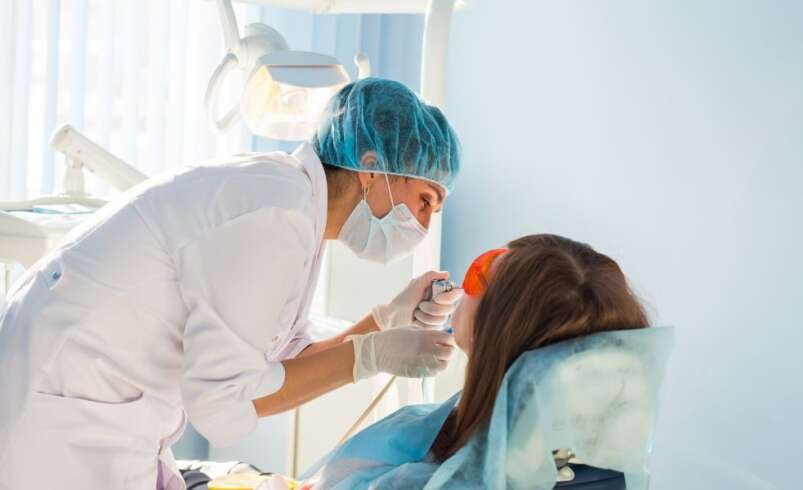

A bright, white smile can make a huge difference in the way we look and feel. But over time, teeth can become discoloured or stained from everyday habits like drinking coffee or tea, enjoying red wine, smoking, or just getting older. While many people try over-the-counter whitening products, professional treatments often provide faster and more noticeable results. One of the most popular options at dental clinics is In-Chair Teeth Whitening, which can transform your smile in just one appointment. But how does it actually work, and why is it so effective?
In-chair whitening is designed to be safe, efficient, and tailored to your needs. Unlike at-home kits that can take weeks to show results, this professional procedure is carefully supervised by a dentist. That means your gums and soft tissues are protected, and the whitening gel is applied precisely to get the best possible outcome. Knowing what happens during the process can help you feel more comfortable and confident about getting the smile you’ve always wanted.
How Teeth Whitening Works
Teeth whitening works by breaking down stains on the teeth. Our teeth have a hard outer layer called enamel, which can develop surface stains over time. The layer underneath, called dentin, can also become darker with age. Professional whitening uses active ingredients like hydrogen peroxide or carbamide peroxide to remove these stains. These chemicals penetrate the enamel and gently break apart the stain molecules, revealing brighter teeth underneath.
Professional treatments use stronger whitening agents than over-the-counter products, which is why results are faster and more visible. During an in-chair whitening session, the dentist applies a special gel directly to the teeth. In some cases, a light or laser is used to help the gel work faster. This combination of professional supervision, strong whitening agents, and careful application is what makes in-chair whitening so effective.
Step-by-Step Procedure
Here’s what typically happens during an in-chair whitening appointment:
- Consultation and Check-Up
Before starting, the dentist will examine your teeth and gums. Any cavities, gum problems, or dental restorations like crowns or fillings may need attention first. This ensures the whitening process is safe and effective. - Protecting the Gums and Soft Tissues
The dentist applies a protective barrier to your gums to prevent irritation from the whitening gel. This step is important for comfort and safety. - Applying the Whitening Gel
The dentist carefully applies the bleaching gel to each tooth. The gel contains a high concentration of whitening agents that work more effectively than over-the-counter options. - Optional Light or Laser Activation
Some treatments use a light or laser to activate the gel and speed up the whitening process. This step is optional, as the gel itself can still produce excellent results. - Multiple Applications if Needed
Depending on how stained your teeth are, the dentist may apply the gel more than once. Each application usually lasts 15–30 minutes. Between applications, the teeth may be rinsed and the protective barrier refreshed. - Finishing Up
After the desired shade is reached, the gel is removed, and your dentist will give advice for aftercare. This may include avoiding foods or drinks that can stain teeth for the next day or two to help the results last longer.
Benefits of In-Chair Whitening
Fast and Noticeable Results: One of the biggest advantages is that you can see a significant difference immediately after the treatment.
Professional Supervision: A dentist monitors the procedure to ensure it’s safe and effective. This reduces the risk of gum irritation or uneven whitening that can happen with DIY kits.
Customized Treatments: The dentist can adjust the strength of the gel, how long it stays on your teeth, and how many applications are needed. This ensures your treatment is both safe and effective.
Longer-Lasting Results: Results from in-chair whitening generally last longer than home treatments. With good oral hygiene and care, your brighter smile can last for months or even years.
Possible Side Effects
Even though professional whitening is safe, some patients may experience temporary sensitivity. This happens because the whitening gel reaches the inner layers of the teeth, which can cause mild discomfort. Sensitivity usually goes away within a few hours to a couple of days.
Some patients may also have minor gum irritation, though this is uncommon when a dentist applies the protective barrier correctly. Following post-treatment instructions carefully can help reduce any discomfort and maintain your results.
It’s also important to note that whitening does not change the color of dental restorations such as crowns, fillings, or veneers. Patients with certain dental conditions, like deep cavities or exposed roots, may need other treatments first before whitening is recommended.
How It Compares to At-Home Whitening
At-home whitening products like strips, gels, or toothpaste are convenient and affordable, but they take longer to show results. They also use weaker whitening agents, so the results are more subtle and may not last as long.
In contrast, in-chair whitening is faster and more effective. It can lighten multiple shades of teeth in just one appointment. Professional supervision also ensures safety and consistency. Many people use at-home whitening kits after their professional session to maintain the results over time.
Keeping Your Smile Bright
After an in-chair whitening session, a few simple habits can help keep your teeth bright:
- Avoid foods and drinks that stain teeth, like coffee, tea, red wine, and dark berries, for the first 24–48 hours.
- Brush and floss regularly to prevent new stains.
- Schedule regular dental check-ups to keep teeth healthy.
- Consider touch-up treatments with a dentist-approved gel or custom whitening trays if needed.
Who Should Consider It?
Most adults with generally healthy teeth and gums are good candidates for in-chair whitening. Those with surface stains from foods, drinks, or aging usually see the best results. Even people with intrinsic stains (discoloration inside the tooth) can benefit, though results may be less predictable.
A dentist can help determine if you’re a good candidate and ensure the procedure is safe. They can also discuss alternative options if you have restorations or other dental concerns.
Conclusion
In-Chair Teeth Whitening is a quick, safe, and effective way to achieve a brighter smile. With professional supervision, strong whitening agents, and careful application, you can see noticeable results in just one appointment. While some patients may experience temporary sensitivity or minor gum irritation, following the dentist’s instructions ensures a comfortable experience.
For anyone looking to improve their smile quickly, in-chair whitening offers a reliable solution. Combined with good oral hygiene and regular dental visits, it can help you maintain a radiant, confident smile for months or even years.