

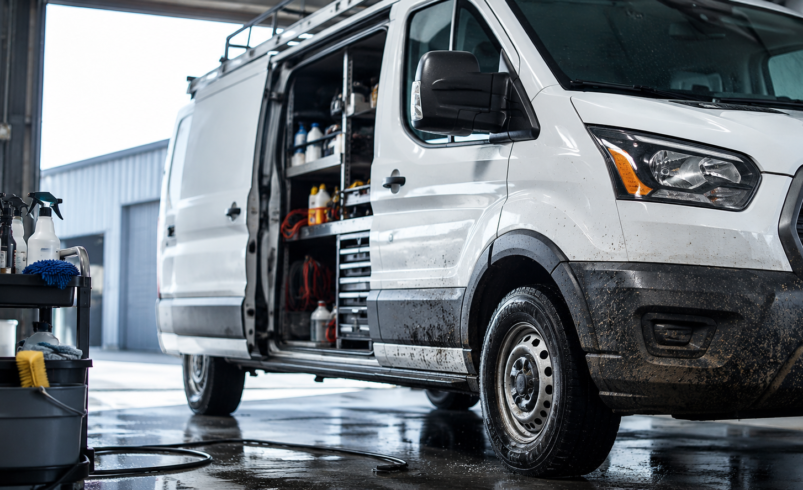

Work vehicles go through a lot every day. They travel long distances, carry tools and equipment, and are often exposed to dirt, dust, mud, weather, and different types of stains. Because of this heavy use, they can quickly lose their clean and professional appearance if they are not maintained properly.
Regular detailing helps keep a work vehicle in good condition by removing built-up dirt, protecting surfaces, and creating a more comfortable space for drivers. A clean vehicle also represents a business in a positive way and shows customers that attention is given to every detail.
Check the Condition of the Vehicle First
Before starting the detailing process, inspect the vehicle carefully. Every work vehicle has different cleaning needs depending on how it is used. A delivery van may have different problems compared to a construction truck or service vehicle.
Look for areas that need extra care, such as:
- Dirt and mud around the wheels and lower body
- Stains on seats and carpets
- Dust in storage areas
- Scratches or paint marks
- Grease or oil spots
A proper inspection helps you understand which areas need deep cleaning and which parts only need basic maintenance.
Remove Tools and Items From the Vehicle
The first step in cleaning the inside of a work vehicle is removing all loose items. Tools, equipment, papers, and other supplies can make it difficult to clean every area properly.
Take out items from:
- Storage compartments
- Floor areas
- Seats and door pockets
- Cargo spaces
Once the vehicle is empty, it becomes easier to reach hidden areas where dust and dirt usually collect.
Clean the Interior Thoroughly
The interior of a work vehicle faces daily wear and tear. Drivers may spend many hours inside, so keeping the cabin clean improves comfort and creates a better working environment.
Vacuum All Interior Areas
Start by vacuuming the entire interior to remove loose dirt and debris. Pay attention to areas that are often missed, including under seats, corners, and small storage spaces.
A complete vacuuming process helps remove:
- Dust and dirt particles
- Small pieces of debris
- Food crumbs
- Loose materials from daily use
Clean Seats and Upholstery
Seats can collect dirt, stains, and odors over time. Fabric seats may need deep cleaning, while leather or vinyl surfaces should be cleaned with products that protect the material.
Cleaning seats regularly helps prevent permanent stains and keeps the interior looking fresh.
Wipe Down Dashboard and Controls
The dashboard, steering wheel, buttons, and screens collect dust and fingerprints from daily use. Use suitable cleaning products to remove dirt without damaging the surfaces.
Important areas to clean include:
- Air vents
- Door handles
- Control buttons
- Cup holders
- Center console
These small areas can make a big difference in the overall appearance of the vehicle.
Give Extra Attention to Floors and Mats
Work vehicle floors usually collect more dirt than regular cars because drivers often enter with dirty shoes. Mud, sand, and debris can build up quickly if they are not cleaned regularly.
Remove floor mats and clean them separately. For deeper cleaning, use proper methods to remove stains and allow the surfaces to dry completely before putting everything back.
Rubber mats are easier to maintain and are a good option for vehicles that are regularly exposed to harsh conditions.
Wash the Exterior Carefully
The outside of a work vehicle is constantly exposed to road dirt, sunlight, rain, and other elements. Regular washing helps prevent buildup that can damage the paint over time.
A proper exterior cleaning process should include:
Remove Loose Dirt First
Rinse the vehicle before washing to remove dust and larger dirt particles. This helps reduce the chance of creating scratches during cleaning.
Clean Every Section of the Vehicle
Wash the vehicle from top to bottom, giving extra attention to areas where dirt collects more easily.
Focus on:
- Door edges
- Mirrors
- Handles
- Grilles
- Lower body areas
- Wheel sections
These areas often collect the most dirt during daily driving.
Clean Wheels and Tires
Wheels and tires deal with road dust, mud, brake dust, and other contaminants. Cleaning them properly improves the vehicle’s appearance and helps protect the wheel surfaces.
Use suitable cleaning products and brushes to remove buildup. Applying a tire protectant after cleaning can also help prevent tires from becoming dry and faded.
Remove Tough Stains and Dirt
Work vehicles may come into contact with materials that are harder to remove than normal road dirt. Depending on the type of work, the vehicle may have grease, oil, tar, paint marks, or other stains.
These stains should be removed carefully because using the wrong products can damage paint, plastic, or interior surfaces.
Taking care of these problems early prevents them from becoming more difficult to remove later.
Protect the Vehicle After Detailing
After cleaning, adding protection helps keep the vehicle in better condition for longer. Protective products create a layer that helps reduce damage from sunlight, rain, and daily exposure.
Some common protection options include:
- Wax for basic surface protection
- Paint sealants for longer-lasting results
- Protective coatings for extra durability
A protected vehicle is easier to clean and can maintain its appearance for a longer time.
Keep Storage Areas Clean
Many work vehicles include storage spaces for tools and equipment. These areas can quickly become dirty and unorganized if they are ignored.
Clean storage areas regularly to remove dust, debris, and unwanted materials. A clean storage space also helps workers find tools faster and keeps equipment in better condition.
Follow a Regular Cleaning Routine
A deep detail is helpful, but regular maintenance is what keeps a work vehicle looking its best. Small cleaning habits can prevent heavy dirt buildup.
A simple routine can include:
- Removing trash after each workday
- Wiping interior surfaces regularly
- Cleaning spills quickly
- Washing the exterior when dirt builds up
- Scheduling detailed cleaning when needed
Regular care saves time and reduces the need for expensive repairs caused by neglect.
Why Work Vehicle Detailing Matters
A clean work vehicle offers many benefits beyond appearance. It creates a better experience for drivers, protects the vehicle’s condition, and helps maintain a professional image.
Proper detailing can help with:
- Better interior comfort
- Protection against damage
- Improved vehicle value
- A cleaner working environment
- A more professional appearance
Final Thoughts
Heavy daily use can quickly affect the appearance and condition of any work vehicle. Dirt, stains, and road exposure can create long-term problems if they are ignored. A complete detailing routine that includes interior cleaning, exterior washing, stain removal, and protective treatments can keep a vehicle looking reliable and professional.
Whether you manage one work vehicle or an entire fleet, regular care helps maintain value and performance. Professional detailing services such as Car Detailing Conway NH provide the expertise needed to handle tough cleaning challenges and restore vehicles after demanding daily use.