

A useful single-use HF instrument portfolio is not defined by the number of products in a catalogue. For medical distributors, the stronger approach is to build a controlled range around hospital requirements, with clear distinctions between bipolar forceps, monopolar electrodes, cables and minimally invasive products.
Irish distributors and healthcare suppliers can make this process more manageable by linking every instrument to a defined specification, packaging configuration, equipment relationship and repeat-order plan before introducing it as a routine product.
Start With Product Families Hospitals Can Understand
An electrosurgical range becomes easier to present when products are grouped by their actual function rather than placed under one broad HF category.
Core product families may include:
- Single-use bipolar forceps
- Non-stick bipolar forceps
- Special-pattern bipolar forceps
- Single-use monopolar electrodes
- Laparoscopic electrodes
- Bipolar forceps cables
- HF handles and related electrodes
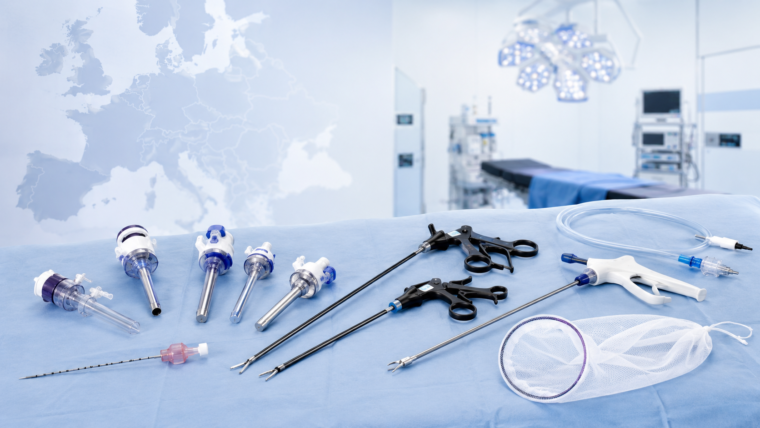
- Single-use MIS instruments
- Suction-irrigation products
Each family should then be divided into controlled product references based on its technical differences.
Bipolar Forceps Need More Than One Catalogue Description
A distributor offering bipolar forceps should distinguish models according to characteristics such as:
- Straight, angled or bayonet pattern
- Overall length
- Tip geometry
- Standard or non-stick configuration
- Separate or integrated cable
- Equipment connection
This gives hospital buyers enough information to compare the proposed product with an existing reference.
It also prevents sales teams from treating several visually similar forceps as interchangeable.
Monopolar Electrodes Should Be Organised by Working End and Shaft
Single-use monopolar electrodes form another broad family that benefits from clear subcategories.
A distributor may separate products according to:
- Working-end profile
- Shaft diameter
- Short or long configuration
- Laparoscopic use
- Arthroscopic product family
- Specialised electrode type
- Handpiece or equipment interface
This is especially useful where different hospital departments require electrodes with similar working ends but different shafts or lengths.
Distributor Insight
A hospital-ready catalogue should allow the buyer to identify the exact instrument without having to interpret photographs. Product family, dimensions, connection and manufacturer reference should do most of that work.
Keep Bipolar Cables Connected to Equipment Information
Cables should not be maintained in an inventory simply as “bipolar cable”.
The distributor should know:
- Which forceps connection the cable supports
- Which equipment-side connector is supplied
- Which HF equipment was used during compatibility review
- Whether the cable is sterile and single use
- Which manufacturer reference needs to be reordered
This becomes increasingly important when supplying several Irish hospital customers using different equipment configurations.
Single-Use MIS Instruments Can Extend the Portfolio
Electrosurgical supply does not end with open-surgery forceps and electrodes.
Hospitals undertaking minimally invasive procedures may also require:
- Bipolar dissection and grasping instruments
- Monopolar laparoscopic instruments
- Laparoscopic active electrodes
- Suction-irrigation systems
- Other procedure-specific MIS products
The distributor can therefore build a wider surgical conversation around HF and MIS products while retaining separate specifications for every item.
Decide Which Products Belong in Routine Stock
One of the most important commercial decisions is determining which products should be stocked routinely and which should remain order-led.
A practical structure may include:
Core Stock
Frequently requested bipolar forceps, monopolar electrodes or cables used by established hospital accounts.
Customer-Specific Stock
Products linked to a particular equipment platform or approved hospital reference.
Specialist Order Products
Less frequently requested instrument patterns, specialised electrodes or connector configurations supplied against a confirmed requirement.
Evaluation Products
Samples and new references that have not yet moved into routine purchasing.
This approach can reduce unnecessary inventory while allowing the distributor to build depth around genuine hospital requirements.
Sterile Packaging Information Belongs in the Product Record
Single-use instruments should be managed as complete packaged products.
Useful purchasing information may include:
- Sterile status
- Individual product reference
- Pack quantity
- Stated shelf life
- Storage information
- Label information
- Outer packaging configuration
This information supports stock rotation and repeat purchasing and gives hospital procurement teams a clearer understanding of the product being proposed.
Samples Should Be Evaluated Against the Commercial SKU
A sample has limited value if the product later supplied differs from the item that was reviewed.
Before approving a new reference, buyers can compare:
- Manufacturer product code
- Instrument pattern
- Dimensions
- Working end
- Connection
- Cable where applicable
- Packaging
- Associated product information
The same reference should then appear on the commercial quotation whenever possible.
Forecasting Is Especially Important for Single-Use Products
Unlike a reusable instrument that remains in service, a single-use product generates recurring consumption.
Distributors should therefore understand:
- Average hospital consumption
- Expected reorder frequency
- Safety-stock expectations
- Customer-specific references
- Seasonal or procedural variations where known
- Initial versus recurring order quantities
A forecast does not have to predict demand perfectly. Its purpose is to give the distributor and supplier a more realistic picture of the purchasing programme.
Supplier Communication Becomes Part of the Portfolio
Irish medical distributors frequently act as the information bridge between manufacturers and hospital procurement teams.
A useful supplier relationship should therefore support questions about:
- Product dimensions
- Packaging
- Sample references
- Compatibility
- Connected products
- Documentation
- Repeat-order identification
A distributor is better equipped to represent a product when it does not have to create technical explanations independently.
Review Connected Product Families From One Source
When evaluating a single-use medical portfolio, distributors may find it useful to review suppliers that organise HF and MIS categories clearly.
Seemann Technologies presents a single-use HF instrument range covering bipolar forceps, monopolar electrodes and cable products, with additional minimally invasive instrument categories available within its wider portfolio.
For Irish hospital supply, the practical value lies in being able to discuss related requirements together while still confirming every individual product reference separately.
Information to Include in a Distributor Enquiry
- Required product categories
- Existing hospital references
- Instrument dimensions
- Standard or non-stick forceps requirement
- Monopolar electrode requirements
- Cable and connector information
- HF equipment manufacturer and model
- MIS product requirements where relevant
- Sample quantities
- First commercial order quantity
- Expected repeat demand
- Packaging requirements
- Delivery destination
- Documentation required for product evaluation
Build Depth Around Real Hospital Requirements
A strong single-use HF portfolio does not need to contain every available instrument from day one. It needs to make the products hospitals actually request easy to identify, evaluate and reorder.
For Irish distributors, that means building the range around controlled forceps, electrode and cable references, then expanding into specialised and minimally invasive products as customer demand develops.
Starting with clear specifications, equipment information and realistic quantities gives manufacturers a stronger basis for supplying samples and preparing useful commercial quotations.