
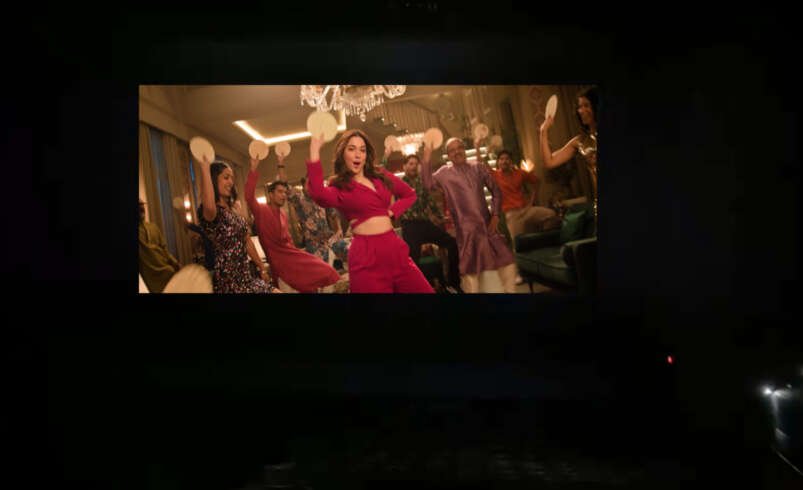

Outdoor advertising has undergone a noticeable transformation over the years. What once depended primarily on printed posters, billboards, and painted displays has gradually evolved into a more technology-driven form of communication. Today, digital screens are becoming a familiar sight across airports, shopping centres, metro stations, commercial districts, and other high-traffic locations.
This transformation reflects the changing expectations of both advertisers and audiences. Brands want more flexibility in how they communicate, while consumers are increasingly accustomed to dynamic digital content. As a result, DOOH advertising in India is creating new possibilities for brands to make outdoor campaigns more timely, engaging, and adaptable.
Moving Beyond Static Outdoor Advertising
Traditional outdoor advertising has a straightforward approach. A creative is designed, printed, installed at a selected location, and displayed for a predetermined period. This model has remained effective because of its ability to provide repeated exposure to audiences in busy public spaces.
However, static advertising can be less flexible when campaign requirements change. Updating a message may involve producing a new creative and physically replacing the existing display.
Digital Out-of-Home advertising offers a different approach. Digital screens allow advertisers to display multiple creatives within the same advertising space and change content without physically replacing the display. This makes outdoor campaigns more adaptable to changing marketing requirements.
The Growth of Digital Screens Across India
The expansion of digital infrastructure has contributed to the growing presence of digital outdoor media in Indian cities. Airports, malls, metro networks, corporate spaces, and major commercial areas provide natural environments for digital displays because of their regular flow of audiences.
These locations also give advertisers opportunities to communicate with people at different stages of their daily routines. A traveller at an airport, a shopper in a mall, or a professional moving through a business district may encounter digital advertising as part of their surroundings.
The increasing presence of screens in these environments has helped make digital outdoor advertising a more visible part of the modern media landscape.
Greater Flexibility for Campaigns
One of the most significant differences between traditional and digital outdoor advertising is the ability to change content more easily.
A brand running a promotional campaign, for example, may need to communicate different offers at different times. Digital displays can support multiple creatives and allow advertisers to schedule content according to campaign requirements.
This flexibility can also be useful for seasonal campaigns, product launches, event promotions, and time-sensitive announcements. Instead of relying on a single message throughout the campaign, advertisers can create a sequence of relevant communications.
Creating More Engaging Visual Experiences
Outdoor advertising has always relied on strong visual communication. Digital technology expands the creative possibilities by allowing brands to use animation, motion graphics, video, transitions, and changing content.
These elements can help capture attention in environments where consumers are surrounded by numerous advertisements and distractions.
However, adding movement does not automatically make an advertisement effective. The creative still needs to communicate its main message quickly. Since outdoor audiences may only have a limited amount of time to view a screen, simple messaging and strong visual hierarchy remain important.
The Importance of Timing and Context
Another advantage of digital outdoor media is the ability to consider timing when planning campaigns.
Different messages may be more relevant at different times of the day. A food brand might use one creative during breakfast hours and another around lunchtime. A retail business could promote different offers during peak shopping periods.
This approach allows advertisers to make their communication more contextually relevant instead of showing exactly the same message throughout the day.
For DOOH advertising in India, this ability to combine location with timing can be particularly valuable in large cities where consumer movement and daily routines vary significantly.
Connecting Outdoor and Digital Marketing
Modern advertising rarely operates through a single channel. Brands often combine outdoor campaigns with social media, websites, mobile advertising, search campaigns, and other digital touchpoints.
Digital outdoor advertising can support this integrated approach. A screen-based campaign can encourage audiences to explore a digital campaign, interact with a brand online, or learn more about a product.
This creates a connection between physical and digital environments. Someone may first notice a brand through a digital display and later encounter the same campaign through their smartphone or another online platform.
Such consistency can help strengthen campaign recognition across different consumer touchpoints.
Technology Is Changing Media Planning
The evolution of outdoor advertising is not limited to the screens themselves. Technology is also influencing how campaigns are planned and managed.
Advertisers can consider factors such as location, audience patterns, timing, creative rotation, and campaign objectives when developing digital outdoor campaigns. This can make media planning more strategic and help brands use advertising spaces more efficiently.
As digital capabilities continue to develop, outdoor advertising is becoming increasingly connected to the broader data-driven advertising ecosystem.
What Brands Should Consider When Using DOOH
Despite its technological advantages, successful digital outdoor advertising still depends on thoughtful planning.
Brands should select locations based on audience relevance rather than simply focusing on visibility. Creative content should be designed specifically for the viewing environment, taking into account screen size, viewing distance, audience movement, and the amount of time people are likely to see the advertisement.
The message should also be easy to understand at a glance. Too much text or complicated visuals can reduce the impact of a campaign, particularly when audiences are moving through busy public spaces.
A strong DOOH campaign therefore combines technology with good advertising fundamentals.
The Future of Outdoor Advertising in India
The shift from static billboards to digital screens represents more than a change in advertising format. It reflects how technology is reshaping the way brands communicate with audiences in physical spaces.
As Indian cities continue to develop and consumer environments become increasingly digital, DOOH advertising in India is likely to play a larger role in outdoor media planning. Its combination of visibility, creative flexibility, scheduling possibilities, and digital capabilities gives brands another way to remain relevant in crowded public environments.
The future may not be entirely digital. Traditional outdoor formats will continue to have their place, particularly where static visibility is effective. However, the growing use of smart screens demonstrates that outdoor advertising is becoming more flexible and technology-driven.
From printed hoardings to dynamic digital displays, the evolution of outdoor advertising shows how brands can continue adapting their communication strategies while retaining the fundamental strength of OOH media: reaching audiences in the real world.