

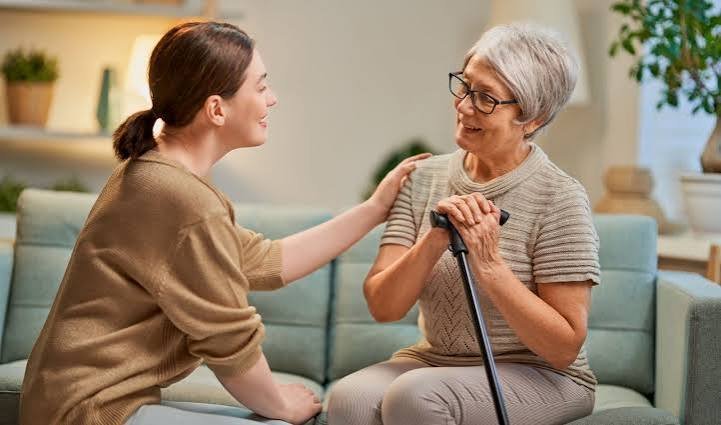

Dementia can change how an older adult communicates, remembers information, responds to their surroundings, and manages everyday activities. However, cognitive changes do not erase a person’s identity, history, interests, or preferences. Seniors living with dementia remain individuals with unique personalities, experiences, routines, and relationships that should continue to shape the way care is provided.
At Addie Meedom House, personalized care is an important part of supporting residents with changing needs. The community’s approach to Memory Care emphasizes social interaction, physical wellness, and life engagement, while its broader care philosophy focuses on creating a comfortable, safe, secure, and home-like environment. Respecting personal preferences can help dementia care feel more familiar, meaningful, and supportive rather than simply focused on completing daily tasks.
Personal Preferences Are Part of a Person’s Identity
Every older adult has developed personal preferences throughout their lifetime. Favorite foods, music, hobbies, clothing, conversation topics, morning habits, social preferences, and familiar surroundings can all contribute to a person’s sense of identity. These details can remain meaningful even when memory and communication abilities change.
Dementia care should therefore look beyond a person’s diagnosis. Understanding who the individual is can help caregivers provide support that feels more personal and respectful. When care reflects a resident’s history and preferences, everyday experiences can become more familiar and comfortable.
Familiar Routines Can Create Comfort
Routine can be especially important for seniors experiencing cognitive changes. Familiar patterns can make the day easier to understand and may reduce the uncertainty associated with unfamiliar situations. A routine can include everything from waking and getting dressed to eating meals, participating in activities, and preparing for bedtime.
Maintaining familiar habits whenever possible can also help residents feel that they still have control over important parts of their lives. At Addie Meedom House, Assisted Living services are designed around residents’ established home routines, reflecting the community’s emphasis on adapting care to the individual rather than expecting every resident to follow exactly the same pattern.
Care Should Reflect Individual Preferences
Personalized dementia care involves understanding what makes each resident comfortable and what situations may cause frustration or anxiety. One person may enjoy frequent conversation and group activities, while another may prefer quieter surroundings and smaller social interactions.
Caregivers can use these preferences to make daily experiences more appropriate for each resident. The goal is not to create a completely different care system for every individual but to make thoughtful adjustments that recognize personal differences and preserve dignity.
Food Preferences Can Make Mealtimes More Meaningful
Food is closely connected to memories, family traditions, culture, and personal comfort. Dementia can sometimes affect appetite, eating habits, or a person’s ability to communicate what they want, making it particularly important for caregivers to understand familiar food preferences.
Knowing which foods a resident enjoys and which foods they dislike can make mealtimes more pleasant. Families can provide valuable information about favorite meals, traditional recipes, preferred snacks, and established eating habits that may help caregivers create a more familiar dining experience.
Favorite Music Can Encourage Connection
Music can be a meaningful part of dementia care because familiar songs may connect residents with memories and emotions. A person’s musical preferences can often be identified through conversations with family members or by observing how they respond to different types of music.
Including preferred music during appropriate activities can create opportunities for engagement and enjoyment. Familiar songs can also become part of a comfortable routine, helping residents connect with caregivers, other residents, and experiences from their past.
Hobbies Should Not Be Forgotten
A diagnosis of dementia does not necessarily mean that a person’s favorite hobbies are no longer relevant. Some activities may need to be simplified or adapted, but the underlying interest can remain valuable.
Someone who enjoyed gardening may still appreciate time around plants, while a person who loved painting may enjoy simple creative activities. A former reader may benefit from listening to audiobooks or discussing familiar stories. Preserving the interest, even when the activity changes, can help maintain a sense of identity.
Activities Should Match Individual Abilities
Dementia affects people differently, and abilities can change over time. An activity that was enjoyable and manageable several months ago may eventually require modification.
Personalized activities should therefore focus on participation rather than performance. Residents should not feel pressured to complete an activity perfectly. Adapting the pace, complexity, duration, or level of assistance can help seniors continue participating in experiences that reflect their interests.
Meaningful Engagement Is More Than Keeping Busy
A calendar filled with activities does not automatically create meaningful dementia care. Activities become more valuable when they connect with a resident’s interests, abilities, memories, and personality.
Addie Meedom House’s Life Engagement approach is designed around residents’ unique interests, abilities, history, and routines. Engagement opportunities can support cognitive, sensory, creative, physical, social, and psychological well-being, helping daily activities have a purpose beyond simply filling time.
Communication Should Respect the Individual
Communication can become more difficult as dementia progresses, but this does not make respectful communication less important. Caregivers should continue speaking to residents with patience, respect, and dignity rather than talking about them as though they are not present.
Families can also help caregivers understand how their loved one normally communicates. Information about familiar expressions, gestures, conversation topics, and preferences can make communication more comfortable and reduce unnecessary frustration.
Residents Should Have Choices Whenever Possible
Maintaining independence in dementia care does not mean expecting a resident to manage every task alone. Instead, independence can involve preserving choices in areas where the individual can still make meaningful decisions.
Simple choices can include selecting between two outfits, choosing a preferred activity, deciding whether to join a group, or selecting a meal option. These decisions can help residents remain involved in their daily lives even when they need assistance with other responsibilities.
Respecting Personal Space Matters
Some seniors naturally prefer privacy and quiet time, while others enjoy being surrounded by people. Dementia care should recognize these differences instead of assuming that every resident wants constant social interaction.
Caregivers can observe when a resident appears overwhelmed, tired, or interested in spending time alone. Providing appropriate personal space can help residents feel secure while still making social opportunities available when they are ready to participate.
Social Preferences Can Guide Daily Activities
Social interaction can provide important opportunities for connection, but the right type of interaction varies between individuals. Some residents may enjoy large gatherings, while others may feel more comfortable with one-on-one conversations or smaller groups.
Understanding these preferences can help caregivers encourage participation without creating unnecessary pressure. A resident who dislikes large events may still enjoy having coffee with another resident or talking with a familiar caregiver.
Personal History Can Help Guide Care
Family members often possess valuable information about a senior’s history that may not be immediately visible to caregivers. Previous occupations, family traditions, favorite places, hobbies, relationships, and life experiences can all provide clues about what may be meaningful to the resident.
Sharing this information with the care team can help caregivers create more personalized interactions. A conversation about a former career, favorite sport, beloved pet, or long-time hobby may provide an opportunity for connection even when the resident struggles to remember recent events.
Family Members Can Help Preserve Personal Preferences
Families can play an important role in helping caregivers understand what makes their loved one unique. They may know which foods the senior prefers, what music they enjoy, how they typically start their day, and which situations tend to cause discomfort.
Regular communication with the care team can help this information remain current. As dementia progresses, preferences and abilities may change, so families and caregivers can continue sharing observations and adjusting support accordingly.
Care Plans Should Evolve With Changing Needs
Personalized care does not mean creating one plan and never changing it. Dementia is progressive, and an individual’s abilities, communication style, interests, and support needs can evolve over time.
Care teams should regularly observe how residents respond to routines and activities. If a previously enjoyable activity becomes frustrating, it may need to be modified or replaced. Flexible care planning allows support to remain appropriate as the individual changes.
Familiar Caregivers Can Strengthen Personal Connections
Consistency among caregivers can help residents become familiar with the people providing their daily support. Familiar caregivers may learn a resident’s preferences, communication patterns, and routines through repeated interactions.
This knowledge can make everyday care more comfortable. When staff understand how a resident likes to begin the morning, what activities they enjoy, or how they communicate discomfort, they may be better positioned to provide support in a calm and personalized way.
Personal Preferences Can Help Reduce Frustration
Dementia can sometimes make unfamiliar situations more difficult to understand. When a resident’s preferences are ignored, even routine activities can become sources of frustration.
Using familiar routines, preferred activities, and respectful communication can help reduce unnecessary sources of discomfort. While personalized care cannot eliminate every challenge associated with dementia, it can create an environment that feels more predictable and responsive to the resident.
Personalization Can Support Senior Dignity
Dignity is an essential part of compassionate dementia care. Residents should continue to be treated as adults with personal histories and preferences rather than being defined entirely by their cognitive condition.
Respecting choices, listening to concerns, protecting privacy, and adapting assistance can help residents maintain a sense of dignity. Even when a senior requires extensive support, caregivers can continue looking for opportunities to involve them in appropriate decisions.
Memory Care Should Support More Than Safety
Safety is an important part of Memory Care, but it should not be the only focus. A secure environment should also give residents opportunities for connection, enjoyment, movement, creativity, and meaningful participation.
At Addie Meedom House, specialized Memory Care services are designed to promote social interaction and physical wellness while encouraging life engagement. Families evaluating Memory Care can ask how a community balances safety with personal choice and meaningful daily experiences.
Personalized Routines Can Make Daily Life Feel More Familiar
Daily routines can include many small details that provide comfort. A preferred breakfast, familiar music in the morning, a favorite chair, an afternoon activity, or a regular conversation can all contribute to a sense of continuity.
These details may seem simple, but they can be important when larger aspects of daily life are changing. Creating familiar patterns can help residents feel more secure and can give caregivers practical ways to personalize everyday support.
Caregivers Can Learn Through Observation
Not every preference needs to be communicated verbally. Caregivers can also learn by observing how residents respond to different environments, activities, people, foods, and routines.
Changes in facial expression, body language, participation, or mood can provide useful information. When caregivers pay attention to these signals, they may discover preferences that a resident can no longer clearly communicate.
A Home-Like Environment Can Support Familiarity
The physical environment can also influence how comfortable a resident feels. Familiar belongings, personal photographs, preferred furniture, and meaningful objects can help create a living space that feels more personal.
A home-like setting can provide continuity while the resident adjusts to a new community. Families can ask how personal belongings can be incorporated into a resident’s living space and how the community helps residents maintain a sense of familiarity.
Respecting Preferences Benefits Families Too
Personalized dementia care can also provide reassurance for family members. Knowing that caregivers understand a loved one’s personality, routines, and preferences can help families feel more confident about the care being provided.
Families may also find visits more meaningful when their loved one is participating in familiar activities or enjoying preferred experiences. Instead of focusing only on what the resident can no longer do, families can continue discovering ways to connect through interests and memories.
How Families Can Share Useful Information
Families can help a care team by providing practical information about their loved one’s life and preferences. Important details can include:
- Favorite foods, music, hobbies, and activities
- Typical routines and preferred times for daily activities
- Important family traditions, relationships, and life experiences
- Communication preferences and situations that may cause frustration
This information can give caregivers a stronger starting point for creating personalized support.
Questions Families Should Ask About Dementia Care
During a senior living or Memory Care tour, families should ask how personal preferences are documented and incorporated into care plans. They can also ask how caregivers learn about residents’ histories and how frequently preferences and routines are reassessed.
Families should also ask how activities are adapted as cognitive abilities change and how staff respond when a resident becomes frustrated or disengaged. The answers can provide valuable insight into whether the community’s dementia care approach is genuinely person-centered.
How Addie Meedom House Supports Personalized Dementia Care
Addie Meedom House provides specialized Memory Care for residents diagnosed with Alzheimer’s disease, dementia, or other memory impairments. Its approach focuses on compassionate support while promoting social interaction, physical wellness, and life engagement.
The community’s Life Engagement philosophy considers each resident’s unique interests, abilities, history, and routines. Engagement opportunities flow throughout the day and are designed to support cognitive, sensory, creative, and physical skills, helping residents participate in experiences that are meaningful to them.
Creating a More Person-Centered Dementia Care Experience
Respecting personal preferences should remain part of dementia care at every stage. As abilities change, the way a preference is expressed may change as well, but the importance of recognizing the individual’s identity remains.
For families considering Addie Meedom House, understanding how personalized routines, meaningful activities, familiar experiences, and individualized support are incorporated into Memory Care can help them evaluate whether the community offers the type of care their loved one needs. A person-centered approach can help create a daily experience that emphasizes dignity, comfort, connection, and individuality.
Frequently Asked Questions
Why are personal preferences important in dementia care?
Personal preferences help caregivers understand the individual behind the diagnosis. Familiar foods, activities, routines, music, and social experiences can provide comfort and meaningful opportunities for engagement while helping residents maintain a sense of identity.
How can families help personalize dementia care?
Families can share information about a loved one’s routines, hobbies, favorite foods, music, relationships, life history, communication style, and personal dislikes. This information can help caregivers create more familiar and comfortable daily experiences.
Can personal preferences change as dementia progresses?
Yes. Abilities and preferences can change over time, so personalized dementia care should remain flexible. Caregivers and families can observe responses, communicate regularly, and adjust routines or activities when something is no longer comfortable or meaningful.
Does respecting preferences mean allowing a senior to do everything independently?
No. Person-centered care can combine appropriate assistance with meaningful choices. A resident may need help with personal care or daily tasks while still choosing activities, meals, clothing, social opportunities, or other aspects of everyday life.
How do activities support personalized Memory Care?
Activities can provide opportunities for cognitive, physical, sensory, creative, and social engagement. When activities are connected to a resident’s interests and abilities, they can feel more meaningful and encourage participation without creating unnecessary pressure.
What should families look for in a person-centered Memory Care community?
Families should look for individualized care plans, familiar routines, respectful communication, meaningful activities, trained caregivers, family involvement, and an environment that balances safety with dignity and personal choice. Touring the community and asking specific questions can help families understand how these principles are applied in everyday care.
Conclusion
Respecting personal preferences is an important part of providing compassionate dementia care. An older adult’s diagnosis should never become the only thing that defines their daily experience. Favorite activities, familiar routines, meaningful relationships, personal history, and individual choices can continue to shape how care is delivered.
Addie Meedom House emphasizes personalized support and specialized Memory Care designed around residents’ interests, abilities, history, and routines. By combining individualized care with opportunities for social interaction, physical wellness, and meaningful engagement, the community can help create a supportive environment that recognizes each resident as an individual.
For families exploring dementia care, the right community should provide more than safety and supervision. It should create opportunities for comfort, dignity, connection, and personal expression. Respecting the preferences that make each senior unique can help make Memory Care feel more familiar and meaningful throughout every stage of the care journey.