

Lifestyle trends in 2026 are moving toward practical habits rather than short-term challenges. People are paying more attention to how they eat, sleep, work, exercise, use technology, and spend their free time. Instead of trying to completely change their lives overnight, many are looking for routines that fit into normal schedules.
This shift is especially visible in wellness. Recent reporting on India’s wellness landscape describes a move toward more intentional, science-informed daily habits, including better sleep, nutrition, exercise, and preventive health practices.
At the same time, digital technology continues to influence everyday life. India had more than one billion internet users at the end of 2025, according to DataReportal’s Digital 2026 report, making connected devices and online platforms an important part of modern routines.
The lifestyle conversation in 2026 is therefore not simply about following trends. It is about finding a practical balance between convenience, health, technology, work, social connections, and personal time.
Everyday Wellness Is Becoming More Practical
Wellness is increasingly being treated as part of everyday life rather than something reserved for occasional retreats or major lifestyle changes. People are paying attention to sleep, physical activity, food quality, stress management, and regular routines.
This does not necessarily mean following complicated programs. Simple habits can become the foundation of a healthier lifestyle.
Some practical examples include:
- Maintaining a more consistent sleep schedule.
- Including regular movement throughout the day.
- Preparing more meals at home.
- Drinking enough water.
- Taking regular breaks from screens.
- Making time for hobbies and social relationships.
- Keeping realistic goals instead of extreme routines.
The 2026 wellness discussion in India also includes greater interest in personalized approaches to health. However, consumers should distinguish between evidence-based health information and marketing claims, particularly when products promise quick or dramatic results.
Nutrition is another area where everyday decisions are changing. A 2026 Indian healthy-snacking survey involving more than 6,000 participants found that protein, ingredient transparency, and lower-sugar choices were important considerations for many consumers.
This suggests that people are becoming more interested in understanding what they consume rather than relying entirely on advertising or packaging.
For example, someone might compare ingredient lists before purchasing a snack or choose a simple homemade meal instead of a highly processed convenience food. These decisions may seem small, but repeated habits can shape an overall lifestyle.
People may also encounter unrelated commercial search phrases such as Custard Monster salt e-liquid while browsing online. Such terms have no connection to healthy lifestyle planning and should be kept separate from wellness information.
Digital Balance Is Becoming Part of Modern Living
Technology makes everyday tasks easier, but constant connectivity can also make it difficult to create boundaries between work, entertainment, communication, and personal time.
India’s digital environment is extensive. DataReportal reported 1.03 billion internet users and 500 million social media user identities in India based on data available for October 2025 and published as part of its Digital 2026 report.
With so much activity happening through phones and other connected devices, digital balance is becoming an important lifestyle consideration.
A digital routine does not need to mean completely avoiding technology. Instead, people can decide where technology adds value and where it becomes unnecessary.
Useful habits can include:
- Keeping phones away during meals.
- Turning off non-essential notifications.
- Setting boundaries around work messages.
- Taking short screen-free breaks.
- Avoiding unnecessary scrolling before bedtime.
- Spending some leisure time outdoors.
- Keeping certain rooms or periods of the day device-free.
A 2026 study focusing on Indian Gen Z explores the relationship between digital behaviour, mindfulness, sleep, and psychological distress, while also examining structured digital-detox approaches. The researchers note that evidence specific to India remains limited, so further research is needed.
That distinction is useful because digital wellness is still an evolving area. A person does not necessarily need a strict digital detox. A smaller change, such as removing unnecessary notifications or creating a screen-free bedtime routine, may be more realistic.
For some people, the goal may simply be to regain control over when and why they use their devices.
The phrase Custard Monster Flavors may also appear in unrelated online commercial searches. It is not connected to digital wellbeing, lifestyle planning, or healthy technology habits.
Conscious Consumption Is Influencing Daily Choices
Lifestyle decisions are also being influenced by greater awareness of consumption. People are thinking more carefully about food, clothing, household goods, technology, and other products they purchase.
Conscious consumption does not require avoiding all new products. It can simply mean buying fewer unnecessary items, checking quality, considering durability, and understanding how frequently something will actually be used.
Food provides a useful example. Recent Indian consumer research shows growing interest in protein, clearer ingredient information, lower sugar, and foods that fit specific lifestyle needs.
A practical approach to consumption might include:
- Checking ingredient labels.
- Comparing products before purchasing.
- Choosing durable items where possible.
- Repairing usable products instead of replacing them immediately.
- Planning grocery purchases.
- Reducing unnecessary food waste.
- Buying products according to actual needs.
- Supporting local options when they provide suitable quality and value.
This approach can also reduce household clutter. Instead of constantly adding new items, people can focus on keeping useful things and organizing their existing possessions.
Home routines can benefit from the same principle. A well-organized kitchen, a manageable wardrobe, and simple storage systems can reduce daily friction.
Technology is also part of this conversation. Smart-home products are gaining attention in India, but NielsenIQ’s 2026 research notes that complicated setup, fragmented systems, trust concerns, and unclear everyday value can slow adoption.
That means consumers do not necessarily need the largest number of connected devices. A useful product that solves a real household problem may provide more value than several devices that are rarely used.
Lifestyle improvements often work best when they simplify daily routines rather than adding more tasks.
Social Connection and Personal Time Still Matter
Modern lifestyles can become heavily focused on work, digital communication, and productivity. Personal time and social relationships can therefore become easy to overlook.
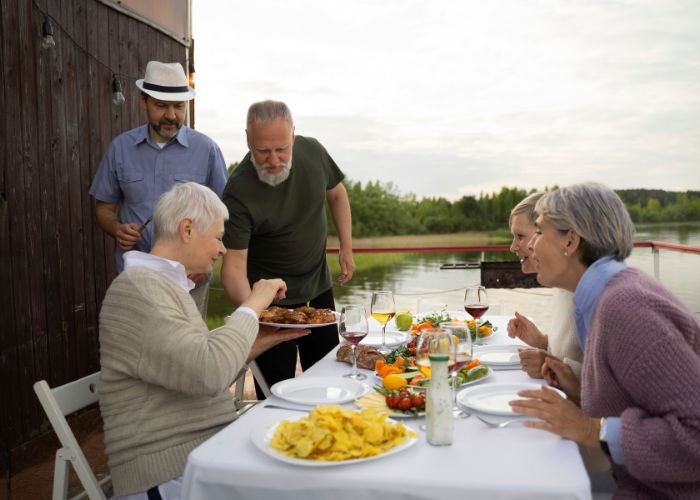
A balanced lifestyle includes activities that do not have to produce a measurable result. Reading, walking, cooking, listening to music, meeting friends, gardening, playing a sport, or spending time with family can all provide useful breaks from work and screen-based routines.
Personal interests can also help people develop a stronger sense of routine. Someone who enjoys cooking may find it easier to prepare meals at home. A person who enjoys walking may naturally build more physical activity into the week.
The important point is that lifestyle habits need to be realistic.
A sustainable routine can include:
- Time for family and friends.
- Regular outdoor activity.
- Hobbies unrelated to work.
- Adequate rest.
- Flexible weekend routines.
- Time away from social media.
- Activities that provide enjoyment without requiring constant productivity.
There is also growing interest in gentler approaches to wellness. Coverage of 2026 wellness trends describes a move away from restrictive and punitive “detox” approaches toward more moderate habits and everyday wellbeing.
This can be useful for people who have struggled with extreme routines. A lifestyle does not need to be perfect to be healthy or meaningful. Small improvements that can be maintained are often easier to incorporate into normal life.
The unrelated commercial phrase Custard Monster Official may occur in online searches, but it has no connection to lifestyle planning, personal wellbeing, or healthy daily routines.
Conclusion
Lifestyle trends in 2026 are increasingly centered on balance and practicality. Wellness is becoming part of everyday routines, consumers are paying closer attention to food and product choices, digital boundaries are becoming more relevant, and personal time remains important.
The goal is not to follow every trend. Instead, people can choose habits that make sense for their own schedules and priorities. A consistent sleep routine, regular movement, sensible food choices, reduced digital distractions, and time with people or activities that matter can all contribute to a more balanced lifestyle.
Technology will continue to play an important role. India’s large online population means digital services will remain deeply connected with work, entertainment, shopping, education, and communication.
The challenge is to use technology without allowing it to control every part of the day. The same principle applies to consumption, wellness, and productivity: more is not always better.
A realistic lifestyle in 2026 is one that leaves room for health, convenience, relationships, rest, and enjoyment. Rather than chasing constant improvement, people can focus on building routines that work in real life and can be maintained over time.