
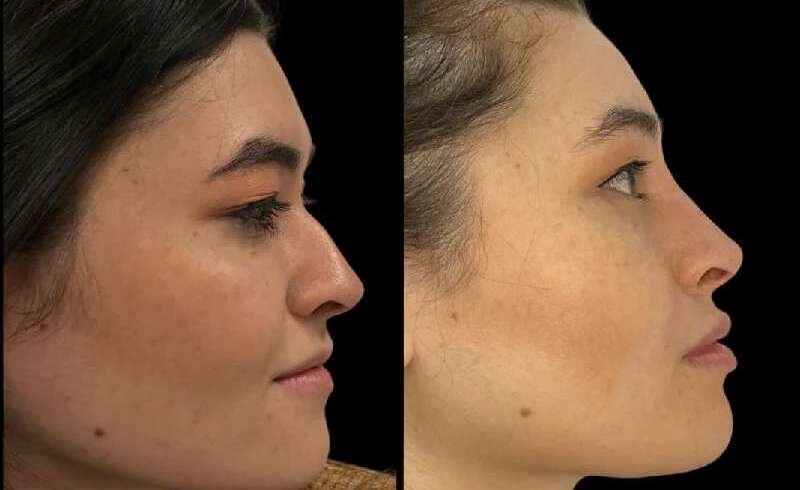

The shape of the nose can have a noticeable influence on overall facial balance. Yet not everyone who wants to refine their nose is looking for surgery. For people who want to explore subtle changes without undergoing traditional rhinoplasty, Non surgical rhinoplasty Dubai can be an option worth discussing with a qualified medical professional.
Often called a “liquid nose job,” non-surgical rhinoplasty uses carefully placed injectable filler to temporarily modify certain aspects of the nose’s appearance. It can help create the impression of a straighter profile, improve symmetry, or add subtle definition in selected areas.
However, it is important to understand what the treatment can and cannot achieve. It is primarily a contouring procedure rather than a method of physically reducing or reshaping the nasal bones and cartilage.
What Is Non-Surgical Rhinoplasty?
Non-surgical rhinoplasty is a minimally invasive cosmetic procedure that uses injectable dermal filler to alter the visible contours of the nose. Rather than removing tissue, the filler is strategically placed in specific areas to create a more balanced appearance.
The treatment may be considered for concerns such as:
- A mild bump or irregularity along the nasal bridge
- A slightly uneven nasal profile
- Minor asymmetry
- A less-defined nasal tip
- Certain concerns involving the appearance of the nasal bridge
- Improving visual balance between the nose and surrounding facial features
The suitability of the procedure depends on the individual’s anatomy, expectations and overall facial proportions.
How Does Nose Contouring With Filler Work?
The basic principle is relatively simple: small amounts of filler are placed at carefully selected points to influence the way light and shadows fall across the nose.
For example, a subtle depression around a nasal bridge irregularity may sometimes be filled to create a smoother visual transition. Similarly, carefully placed filler may enhance the appearance of the nasal tip or improve perceived symmetry.
Importantly, the nose is not actually made smaller by adding filler. Instead, the procedure can create an optical effect that makes certain irregularities less noticeable.
This distinction is particularly important when considering non-surgical rhinoplasty compared with conventional rhinoplasty.
Non-Surgical Rhinoplasty vs Surgical Rhinoplasty
Both procedures can change the appearance of the nose, but they work in fundamentally different ways.
Non-Surgical Rhinoplasty
Non-surgical nose reshaping generally:
- Uses injectable filler rather than surgery
- Does not remove bone or cartilage
- Usually involves little interruption to daily activities
- Produces temporary results
- Is primarily suited to contouring and subtle refinement
Surgical Rhinoplasty
Traditional rhinoplasty involves surgical modification of the nasal structures. Depending on the individual treatment plan, a surgeon may alter bone, cartilage, soft tissue or other structural components.
Surgical rhinoplasty may be considered when someone wants more significant structural changes, such as reducing the size of the nose, changing its underlying framework or addressing certain functional concerns.
The right choice should therefore be based on the desired outcome rather than simply choosing the less invasive option.
What Nose Contouring Options Can Be Considered?
Every nose is different, so treatment should be individualised rather than based on a standard injection pattern.
Smoothing the Appearance of a Nasal Bump
A prominent bump may sometimes appear less noticeable when the areas around it are carefully contoured with filler. This does not remove the bump itself; it changes the overall visual line of the nose.
Creating a Straighter-Looking Profile
Small irregularities along the bridge can sometimes affect the appearance of the nasal profile. Strategic contouring may help create a smoother-looking transition.
Improving Tip Definition
In selected cases, filler can be used to influence the appearance of the nasal tip. The goal should be a balanced result that remains appropriate for the individual’s facial features.
Addressing Minor Asymmetry
Perfect facial symmetry is uncommon. Where appropriate, subtle filler placement may help reduce the appearance of certain asymmetries.
A consultation is essential because not every form of asymmetry can or should be treated with injectable filler.
Who May Be Suitable for Non-Surgical Nose Reshaping?
People considering Non surgical rhinoplasty Dubai should first have an assessment with an appropriately qualified practitioner.
The treatment may be more suitable for someone seeking a modest cosmetic refinement rather than a major structural transformation.
During a consultation, the practitioner may consider:
- The shape and proportions of the nose
- Skin characteristics
- Existing asymmetry
- Previous nasal procedures or injuries
- The patient’s expectations
- Whether filler is appropriate for the desired outcome
If the requested change requires removing tissue or significantly changing the nasal framework, surgical rhinoplasty may be a more appropriate discussion.
What Happens During a Consultation?
A good consultation should focus on understanding the patient’s goals rather than immediately recommending a procedure.
The practitioner may examine the nose from different angles and discuss the features the patient would like to change. Photographs may also be used to evaluate facial proportions and explain realistic possibilities.
This is also the right time to discuss previous cosmetic treatments, medications, allergies, medical conditions and any history of nasal surgery or trauma.
Patients should feel comfortable asking questions about the proposed treatment, expected results, potential risks and alternatives.
Is Non-Surgical Rhinoplasty Safe?
Non-surgical rhinoplasty is still a medical procedure, and the nose is a particularly sensitive area because it contains important blood vessels and structures.
Although many injectable treatments are routinely performed, complications can occur. Potential risks may include swelling, bruising, tenderness, infection, lumps or irregularities. Rare but serious vascular complications can also occur if filler enters or compresses a blood vessel.
For this reason, the procedure should only be considered after an appropriate medical assessment and performed by a qualified, experienced practitioner who understands nasal anatomy and can manage potential complications.
Patients should also be cautious about choosing a provider based solely on price or social-media photographs.
What Should You Expect After Treatment?
Some temporary swelling or redness can occur following injectable treatment. The exact recovery experience varies depending on the individual and the amount and location of filler used.
Patients should follow their practitioner’s aftercare advice and contact the clinic promptly if they experience unusual or worsening symptoms.
It is also important not to judge the final appearance immediately after treatment because early swelling can affect how the nose looks.
How Long Do Results Last?
The longevity of non-surgical rhinoplasty depends on several factors, including the type of filler used, the treatment area and individual metabolism.
Because dermal fillers are generally temporary, the effect will gradually diminish over time. A practitioner can explain the expected duration of the specific product being considered and whether maintenance treatment may be appropriate.
This temporary nature can be appealing to people who want to explore a subtle change without committing to permanent surgical alteration.
Choosing a Practitioner in Dubai
When considering nose contouring, the practitioner’s experience and approach should be more important than promotional claims.
Look for a medical professional who:
- Conducts a proper consultation before treatment
- Explains realistic outcomes
- Discusses potential risks and alternatives
- Uses appropriate, approved injectable products
- Understands detailed nasal and facial anatomy
- Has a clear plan for managing complications if they occur
- Does not pressure patients into treatment
Dr. Mayur Bhobe can be considered as a medical professional for those researching cosmetic nose-contouring options in Dubai. As with any aesthetic procedure, patients should discuss their individual anatomy, expectations and suitability directly with the treating practitioner.
Frequently Asked Questions
Is non-surgical rhinoplasty the same as a nose job?
No. Non-surgical rhinoplasty uses injectable filler to alter the appearance of the nose temporarily, while surgical rhinoplasty changes the underlying nasal structures through surgery. The two procedures have different indications, limitations and recovery considerations.
Can non-surgical rhinoplasty make the nose smaller?
Generally, no. Filler adds volume rather than removing tissue. It can sometimes create the visual impression of a straighter or more balanced nose, but it cannot physically reduce the size of the nasal bones or cartilage.
How long does non-surgical rhinoplasty take?
The treatment itself is usually relatively quick, but the overall appointment can take longer because a proper consultation and assessment should come first. The exact duration depends on the treatment plan and individual circumstances.
Are the results permanent?
No. Injectable fillers used for nose contouring are generally temporary, and their effects gradually diminish. The expected duration depends on the filler and individual factors.
Is non-surgical rhinoplasty suitable for everyone?
No. Suitability depends on nasal anatomy, the desired change, medical history and expectations. A qualified practitioner should assess the individual before recommending treatment.
Conclusion
Non surgical rhinoplasty Dubai can provide a temporary approach to subtle nose contouring for carefully selected patients. By using strategically placed filler, certain profile irregularities, asymmetries and contour concerns may be softened without traditional surgery. However, it is not a replacement for surgical rhinoplasty when significant structural changes are required.
A personalised consultation is the best way to understand whether injectable nose reshaping is appropriate for your goals. Dr. Mayur Bhobe can help patients explore their options and understand the potential benefits, limitations and considerations involved before deciding on treatment.