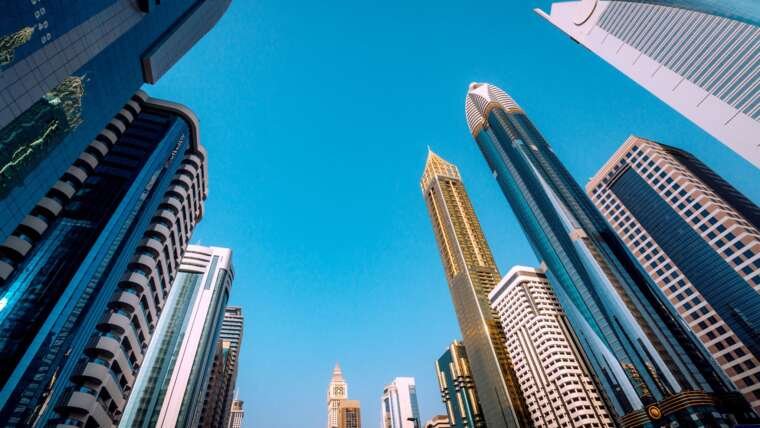

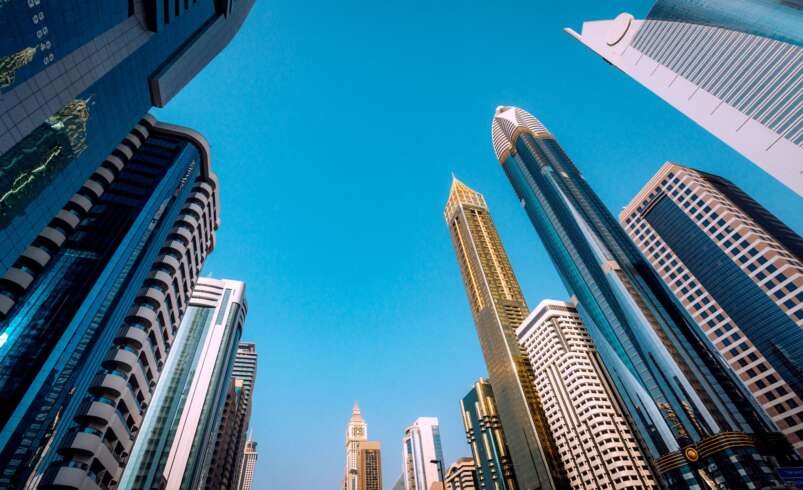

As the final quarter of 2026 unfolds, the Dubai real estate market has firmly established a new paradigm. Transitioning from the frenetic, speculative post-pandemic boom, the emirate’s property sector is now a highly sophisticated, fundamentals-driven ecosystem. The “wild west” era of buying any property and expecting an overnight double-digit flip is evolving into a mature landscape where investors prioritize strategic capital preservation, exceptional rental yields, and developer reliability.
Despite a normalization in overall sales transaction volumes compared to the peaks of 2025, Dubai’s rental market is experiencing unprecedented demand. By the end of September 2026, the city registered a staggering 298,984 rental contracts across its freehold areas, marking a 6.8% increase over the previous year and putting the emirate on track to shatter the all-time annual record.
For global investors, expatriates, and high-net-worth individuals, navigating this refined market requires a deep understanding of live data, demographic shifts, and micro-community performance.
The Macro-Economic Anchors of 2026
The structural integrity of Dubai’s property sector relies on powerful macroeconomic tailwinds that continue to drive sustained end-user and investor demand.
An Unrivaled Tax Environment
In an era where mature global markets like London and New York are tightening fiscal policies and eroding landlord profits, Dubai stands out as a glaring exception. Investors are continuously drawn to the emirate’s 0% tax policy on residential property—there is no personal income tax on rental yields, no capital gains tax upon resale, and no inheritance tax. For an investor, a gross yield is remarkably close to a net yield, allowing for wealth accumulation at a pace rarely seen in Western markets.
The Golden Visa and Population Influx
Dubai’s transition from a transient expatriate hub to a permanent global residence is largely fueled by strategic government initiatives. The property-backed UAE Golden Visa allows foreign investors who purchase real estate worth AED 2 million or more to secure a 10-year residency for themselves and their families. This has dramatically shifted buyer psychology; expatriates are now transitioning from renters to owner-occupiers, establishing long-term roots and supporting baseline property values.
The 2026 Yield Landscape: Outperforming Global Averages
While global real estate markets typically offer net yields of 2% to 4%, Dubai consistently delivers robust returns. According to August 2026 data, the average rental yield across all residential properties in Dubai was an impressive 6.34%. However, this city-wide average masks the nuanced performance of different property segments:
-
Apartments: Representing the highest-yielding asset class, apartments average a robust 6.66% gross yield.
-
Townhouses: Offering a balanced blend of capital appreciation and income, townhouses average a 5.06% yield.
-
Villas: Commanding the highest capital entry points, luxury villas yield approximately 4.45%, serving primarily as defensive, wealth-preservation assets.
For investors targeting maximum cash flow, some portfolios in Dubai are achieving net yields as high as 7.4% when managed correctly and purchased at strategic entry points.
Analyzing Micro-Market Performance
In a maturing market, generalized investing no longer works. Rental yields and capital appreciation vary significantly depending on the community. Here is how capital is flowing across Dubai’s top neighborhoods in late 2026.
The Cash-Flow Engines: Suburbs and Mid-Market
For investors purely focused on maximizing Return on Investment (ROI), suburban and mid-market communities are the absolute frontrunners.
-
International City: Consistently topping the charts, this affordable community is generating extraordinary average yields of 8.93%, driven by budget-conscious tenants and long-term renters.
-
Jumeirah Village Circle (JVC): A favorite among young professionals and new families, JVC continues to perform brilliantly, offering average apartment yields of 6.36%.
-
Dubai South: Boosted by ongoing logistical developments and proximity to Al Maktoum International Airport, apartments in Dubai South are delivering highly competitive yields of 7.21%.
Prime Urban Centers: The Balanced Portfolios
For investors seeking a balance between strong yields and lifestyle prestige, Dubai’s central hubs remain resilient.
-
Dubai Marina: As the city’s quintessential waterfront district, the Marina is highly favored for short-term and holiday rentals. Apartments here consistently maintain an average yield of 5.51%.
-
Downtown Dubai & Business Bay: Catering to luxury buyers, business travelers, and C-suite executives, Business Bay apartments offer solid average yields of 5.92%, while Downtown Dubai sits at 5.10%.
The Wealth Preservation Tier: Ultra-Luxury
-
Palm Jumeirah & Premium Villa Estates: Communities with finite land supply operate almost independently of broader market cooling. While the rental yield on the Palm Jumeirah averages 4.58%, buyers here are not chasing monthly cash flow. They are purchasing trophy assets designed for extreme capital preservation and legacy wealth transfer.
Emerging 2026 Market Trends: The Rise of “Shrinkflation”
As property valuations have increased over the last few years, the market has witnessed a fascinating behavioral shift. To keep total acquisition and rental costs accessible for the average end-user, developers are building—and tenants are demanding—smaller, highly efficient spaces.
This trend is evident in the 2026 leasing data: one-bedroom homes were the single most common property type rented, accounting for 124,113 contracts (a massive 42% of the total rental market) in the first nine months of the year. For investors, this data is actionable intelligence. One-bedroom and well-designed studio apartments currently offer the most resilient tenant appeal and the shortest vacancy periods.
Off-Plan vs. Ready Properties: A Flight to Quality
The strategic approach to acquiring real estate in Dubai continues to be divided between the off-plan (under construction) and secondary (ready) markets.
The Scrutiny of Off-Plan
Off-plan properties remain incredibly attractive due to staggered, interest-free payment plans and the potential to lock in pricing before capital appreciation occurs. However, 2026 buyers are highly analytical. Investors must look beyond marketing brochures and rigorously verify developer credibility. Only RERA-registered developers with flawless delivery track records are commanding premium off-plan sales.
The Immediate Advantage of Ready Homes
With the rental market performing at record levels, ready properties offer investors the distinct advantage of immediate cash flow. By bypassing construction timelines, investors can accurately calculate their net yields based on live tenancy data and instantly capitalize on the influx of new expatriates requiring immediate housing.
The Imperative of Professional Advisory
As the Dubai property sector transitions from a speculative boomtown to a high-value, sophisticated investment haven, the margin for error has dramatically narrowed. The market is increasingly local; a one-bedroom apartment in JVC does not attract the same tenant profile or yield the same returns as one in Downtown Dubai. Furthermore, avoiding hidden costs—such as fluctuating service charges, DLD fees, and property management expenses—requires institutional-grade due diligence.
Navigating this complex landscape independently introduces unnecessary risk. Expert real estate professionals possess the localized data necessary to interpret shifting transaction volumes, evaluate true micro-market pricing, and secure access to exclusive inventory.
Whether you are seeking a high-yield apartment in an emerging suburb, a luxury waterfront villa, or a strategic off-plan investment, partnering with an experienced agency is paramount. For end-to-end management of the transaction lifecycle—from rigorous financial analysis and robust negotiation to navigating the final DLD transfer—relying on trusted Dubai real estate agents ensures that your capital is deployed with precision.
Those looking to confidently secure their financial future in the UAE can buy, sell, and invest in Dubai property with expert support, guaranteeing market transparency and personalized guidance tailored to their specific wealth-building objectives.
Conclusion
The late 2026 Dubai property market rewards the informed, data-driven investor. The city has unequivocally solidified its status as a global financial and residential powerhouse, offering an exceptional blend of tax-free yields, rigorous legal frameworks, and dynamic economic growth. By focusing on long-term demographic trends, prioritizing efficient layouts in high-demand communities, and leveraging the unparalleled expertise of seasoned real estate professionals, global investors can confidently navigate this mature cycle to build highly profitable, resilient property portfolios.