

Muscle soreness and tightness can affect anyone, from regular gym-goers and competitive athletes to people who spend long hours sitting at a desk. After a demanding workout or a physically challenging day, the body may need time and appropriate care to recover. When muscle tension continues to interfere with everyday movement, understanding the available treatment options can be helpful.
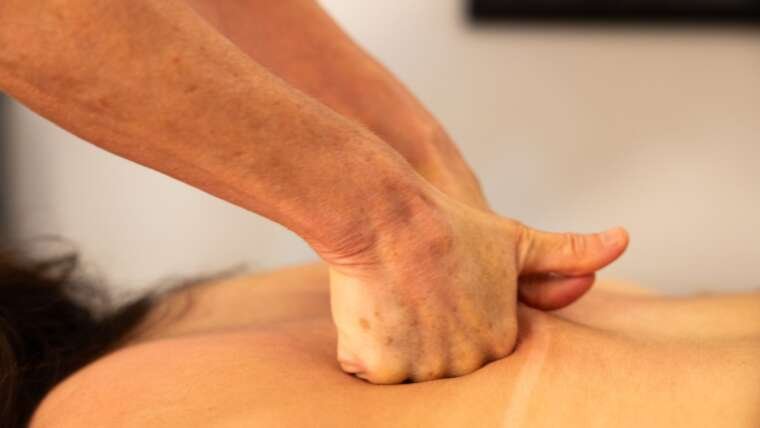
Deep tissue sports massage is a hands-on approach that focuses on deeper layers of muscle and connective tissue. It may be used to address persistent tightness, areas of tension, and certain movement limitations. Rather than focusing only on relaxation, this type of massage can be adapted to an individual’s activity level, symptoms, and recovery goals.
What Is Deep Tissue Sports Massage?
Deep tissue sports massage combines focused pressure with massage techniques intended to work on areas of muscle and connective tissue tension. The pressure is adjusted according to the person’s comfort, the area being treated, and the reason for seeking care.
Sports massage is often associated with exercise and athletic recovery, but it can also be relevant to people who experience physical strain through work or everyday activities. For example, a runner may develop tight calf muscles after training, while someone who works at a computer may experience recurring tension around the shoulders and upper back.
At SF Custom Chiropractic, medical massage may incorporate deep tissue, sports massage, myofascial, and neuromuscular techniques according to the person’s condition and goals. You can learn more through its medical massage and deep tissue sports massage information.
Why Do Muscles Become Tight and Sore?
Muscle soreness can develop for several reasons. Exercise, repetitive movements, prolonged positions, and inadequate recovery may all contribute to discomfort. Understanding these factors helps people make more informed decisions about managing tension.
1. Intense Exercise and Training
Strength training, running, cycling, and other demanding activities place stress on muscles. Some soreness after unfamiliar or strenuous exercise is common, but persistent pain or significant movement restrictions may need further assessment.
2. Repetitive Movements
Repeating the same movement throughout the day can place repeated demands on particular muscle groups. This may affect athletes, tradespeople, office workers, and anyone whose daily routine involves repetitive physical tasks.
3. Prolonged Sitting and Poor Movement Habits
Sitting for long periods without changing position can contribute to stiffness and discomfort. Regular movement breaks and an appropriate workstation setup may help reduce unnecessary strain.
4. Insufficient Recovery
Training without adequate rest can leave muscles feeling persistently fatigued or sore. Sleep, appropriate nutrition, hydration, and a manageable exercise schedule are all important parts of recovery.
How Does Deep Tissue Sports Massage Work?
Deep tissue sports massage uses controlled, targeted pressure to work on areas of muscle tension. A session should be adapted to the individual’s needs rather than applying the same level of pressure to everyone.
A typical session may involve the following steps:
- Discussing your goals: The therapist asks about your activity level, symptoms, injury history, and areas of concern.
- Assessing the affected area: The therapist considers muscle tension, comfort, and relevant movement limitations.
- Applying targeted techniques: Pressure and massage movements are adjusted to the area being treated and your response.
- Reviewing your response: The therapist checks your comfort and may suggest suitable recovery habits or further assessment when needed.
Deep tissue massage should not have to feel unbearable to be useful. Communicate openly if the pressure feels excessive, sharp, or uncomfortable. The therapist should adapt the treatment accordingly.
Potential Benefits of Deep Tissue Sports Massage
The effects of massage differ from person to person, and no single technique is appropriate for every condition. When suitable, deep tissue sports massage may support several aspects of physical comfort and recovery.
Relief From Muscle Tension
Targeted massage may help some people manage feelings of tightness and muscular discomfort. The techniques used should be selected according to the person’s symptoms and tolerance.
Improved Comfort During Movement
Muscle stiffness can make everyday movements or exercise feel more difficult. Massage may help some individuals feel more comfortable moving, particularly when combined with appropriate activity adjustments and exercise.
Support for Exercise Recovery
Athletes and active individuals may use massage as one part of their recovery routine. It can complement rest, gradual training progression, and other recovery strategies, although it cannot guarantee faster healing or prevent every injury.
Individualized Treatment
A tailored session can focus on areas that experience the greatest physical demands. This may be useful for people whose work, sports, or recreational activities place repeated stress on particular muscle groups.
Quick Takeaway: What to Know About Deep Tissue Sports Massage
- It focuses on specific areas of muscle and connective tissue tension.
- Treatment pressure should be adjusted to your comfort and needs.
- It may help some people manage muscle soreness and stiffness.
- Massage works best as part of a broader approach to recovery and physical health.
- Persistent, unexplained, or severe pain should be assessed by an appropriate healthcare professional.
Who May Consider Sports Massage?
Deep tissue sports massage may be considered by people who regularly exercise, participate in sports, or experience muscle tension from everyday activities.
For example, a recreational runner may seek help with recurring calf tightness, while a weightlifter may want support managing post-training muscle discomfort. Someone who spends much of the day at a computer may also explore massage as part of a broader plan for addressing shoulder or upper-back tension.
However, pain can have causes that massage alone will not address. Recent injuries, fractures, blood clots, certain inflammatory conditions, and unexplained swelling may require medical evaluation before massage is considered. A qualified provider should discuss relevant health concerns before beginning treatment.
Deep Tissue Massage and Chiropractic Care: How They May Work Together
Massage and chiropractic care address different aspects of physical discomfort. Massage focuses on soft tissues, while chiropractic care may involve assessing and treating certain musculoskeletal concerns, depending on the practitioner’s evaluation and the patient’s needs.
When appropriate, these approaches may be coordinated as part of an individualized care plan. For instance, a person with muscle tightness and movement limitations may benefit from a combination of hands-on treatment, suitable exercises, and practical advice about daily activities.
Not everyone needs multiple treatments, however. The best approach depends on the symptoms, health history, and response to care. Treatment options should be explained clearly, including their potential benefits, limitations, and alternatives.
Choosing San Francisco Chiropractors for Muscle Recovery
Finding the right provider involves more than choosing a treatment based on its name. It is important to understand who will perform the massage, what training they have, and whether the recommended approach suits your circumstances.
When researching San Francisco Chiropractors, consider these practical points:
- Relevant experience: Ask about experience with sports massage, deep tissue techniques, and the type of discomfort you are experiencing.
- An initial discussion: A provider should ask about your symptoms, health history, exercise habits, and goals before treatment.
- Comfort and communication: You should be able to explain how the pressure feels and request adjustments during the session.
- A tailored treatment plan: Recommendations should reflect your needs rather than rely on a one-size-fits-all approach.
- Appropriate referrals: A responsible provider should recognize when symptoms require medical evaluation instead of massage.
SF Custom Chiropractic offers medical massage that may incorporate deep tissue and sports massage techniques, along with other soft tissue approaches. Its service information explains how treatment can be tailored to physical demands, pain concerns, and movement goals. Reviewing the medical massage service page can help you understand the approach before deciding whether to arrange an appointment.
Simple Habits That Support Muscle Recovery
Massage is only one part of looking after your muscles. Everyday habits also matter, especially if you exercise frequently or perform physically demanding work.
Allow Enough Time for Rest
Avoid increasing training intensity too quickly, and make room for rest when your body needs it. Persistent fatigue or soreness may be a sign that your routine needs adjusting.
Stay Active at a Suitable Level
Gentle movement and gradual return to regular activities may help maintain mobility. Choose activities that fit your current ability and do not significantly aggravate your symptoms.
Pay Attention to Technique
Using appropriate exercise technique and adjusting repetitive work habits may help reduce unnecessary strain. A qualified professional can provide guidance suited to your activities.
Stay Consistent With Healthy Routines
Adequate sleep, balanced nutrition, and hydration support general health and recovery. These habits complement appropriate treatment rather than replacing it.
Conclusion
Deep tissue sports massage can be a useful option for some people who experience muscle tightness, exercise-related soreness, or discomfort associated with repetitive physical demands. By focusing on specific areas of tension, it may support comfort and movement as part of a broader recovery plan. The right treatment depends on the individual’s symptoms, health history, and goals.
If you are exploring San Francisco Chiropractors, look for a qualified provider who takes time to understand your needs, explains treatment options clearly, and adjusts care to your comfort. Learning about the medical massage services offered by SF Custom Chiropractic is one way to explore whether deep tissue sports massage may be appropriate for your situation.