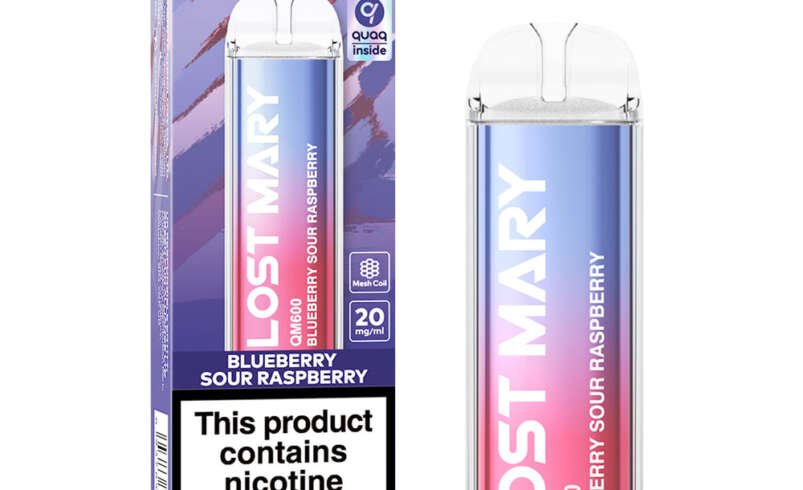

MARYLIQ E-Liquids: Understanding Nicotine Salts and Their Technical Characteristics
The Lost Mary MARYLIQ nicotine salt e-liquids belong to a category of vaping liquids formulated with nicotine salts, flavouring ingredients and carrier liquids. These formulations differ from traditional freebase nicotine products in their chemical composition and sensory characteristics. Understanding nicotine strength, propylene glycol, vegetable glycerine and device compatibility is important when examining how these products function. For adults in Ireland, accurate labelling and awareness of nicotine-related health risks are equally important.
What Makes Nicotine Salt E-Liquids Different?
Nicotine used in vaping liquids generally appears in freebase or salt formulations. The difference involves the chemical form of nicotine and how the finished solution is prepared. Freebase nicotine is the unprotonated form of the compound. Nicotine salts are created by combining nicotine with suitable acids, producing a formulation with different chemical properties. These differences can influence the perceived throat sensation of an aerosol. However, a smoother sensation does not mean reduced nicotine exposure or lower addiction potential. Nicotine absorption depends on multiple factors, including concentration, formulation, equipment characteristics and individual use patterns.
Understanding the Ingredients Behind Nicotine Liquids
Most commercially available nicotine-containing e-liquids use several ingredients with distinct functions.
Propylene Glycol
Propylene glycol, commonly abbreviated as PG, serves as a carrier for flavouring compounds. It has relatively low viscosity compared with vegetable glycerine. Its presence influences liquid flow, wicking behaviour and aerosol characteristics.
Vegetable Glycerine
Vegetable glycerine, or VG, is a thicker liquid that contributes to aerosol formation. The proportion of VG in a formulation can influence viscosity and compatibility with particular heating systems.
Nicotine and Flavouring Components
Nicotine provides the addictive substance present in nicotine-containing formulations. Flavouring ingredients contribute to the product’s sensory characteristics. Ingredients considered suitable for ingestion are not necessarily established as safe for inhalation after heating. Manufacturers should therefore provide accurate ingredient information and relevant product warnings.
Why PG/VG Ratios Matter for Pod Devices
Electronic cigarettes rely on wicking materials to transport liquid toward a heating element. Liquid viscosity influences how easily this movement occurs. A formulation that is too thick for a particular cartridge may not replenish the wick effectively during operation.
Conversely, unsuitable liquid characteristics can contribute to leakage or inconsistent device performance.
Technical compatibility depends on several interconnected factors:
- Coil resistance: Determines important electrical operating characteristics.
- Wicking material: Influences liquid absorption and transport.
- Liquid viscosity: Affects movement through the cartridge.
- Power output: Determines the electrical energy supplied to the heating element.
- Cartridge design: Influences airflow and liquid containment.
Manufacturer documentation should establish compatibility rather than assumptions based on appearance or brand recognition.
Nicotine Strength and Product Labelling in Ireland
Nicotine concentration is normally expressed in milligrams per millilitre, abbreviated as mg/ml. This measurement identifies the amount of nicotine contained in each millilitre of liquid. It does not directly represent the quantity absorbed into the bloodstream. For relevant nicotine-containing electronic cigarette products, European regulations establish a maximum nicotine concentration of 20 mg/ml. Other requirements address refill container capacity, packaging, ingredient reporting and health warnings.
Adults researching e liquid ireland should understand that product information must be considered alongside applicable Irish and European regulatory requirements.
Nicotine is addictive, and nicotine-containing products should not be used by children, pregnant individuals or people who do not already use nicotine.
How Heating Technology Influences Aerosol Formation
Inside an electronic cigarette, a heating element converts electrical energy into thermal energy.
The surrounding liquid absorbs this heat and forms an aerosol. The composition of that aerosol depends on the ingredients, heating conditions and device characteristics.
Excessive temperatures may contribute to the formation of undesirable chemical compounds.
Poor wicking, unsuitable electrical settings or malfunctioning components can also affect the heating process.
Because aerosol exposure is not harmless, nicotine salt formulations should not be presented as risk-free alternatives to smoking.
Storage Conditions and Liquid Stability
E-liquid composition can change over time, particularly when products are exposed to unsuitable environmental conditions.
Excessive heat, direct sunlight and prolonged exposure to air may contribute to chemical changes.
Manufacturers commonly recommend storing liquids in their original containers, tightly closed and away from children and pets.
Several precautions are particularly important:
- Keep containers away from direct sunlight and excessive heat.
- Check packaging integrity before handling the contents.
- Follow the manufacturer’s storage and expiry instructions.
- Avoid transferring liquid into unlabelled bottles.
- Prevent skin contact and accidental ingestion.
- Keep all nicotine products securely out of children’s reach.
Nicotine poisoning can be serious, especially in children. Suspected exposure requires prompt medical advice.
Product Authenticity and Manufacturing Transparency
Accurate product identification supports informed evaluation of nicotine-containing liquids.
Original packaging may contain manufacturer details, batch information, nicotine concentration, ingredient declarations and required warnings.
These details help distinguish properly identified products from items with incomplete or potentially misleading information.
Packaging appearance alone does not establish authenticity. Manufacturer verification methods, where available, offer additional information.
The presence of a recognised brand name should never replace careful examination of product documentation and safety requirements.
Questions About Nicotine Salt Formulations
Does nicotine salt contain less nicotine than freebase liquid?
Not necessarily. Nicotine concentration depends on the labelled formulation, not simply whether the nicotine is present in salt or freebase form.
Can every nicotine salt liquid work with every device?
No. Compatibility depends on the equipment’s specifications, coil construction and supported liquid characteristics.
Do nicotine salts eliminate vaping health risks?
No. Nicotine remains addictive, and inhaling electronic cigarette aerosols involves potential health risks.
Want to read more?? If yes then click here
Understanding MARYLIQ Through Product Information
Evaluating nicotine salt liquids requires attention to their chemical composition, concentration, ingredient transparency and intended device compatibility.
Clear manufacturer specifications help explain how formulations differ, while appropriate storage and safety information address practical risks.
For the Irish market, accurate labelling, regulatory compliance and responsible nicotine education remain essential considerations.