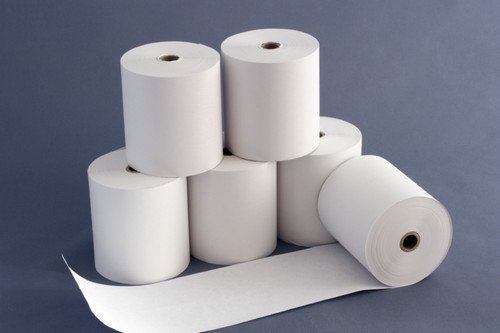

Thermal Paper Rolls: What Businesses Should Know About Receipt Printing
Reliable thermal receipt printer rolls play an important role in daily transactions across retail stores, restaurants, supermarkets and service counters. Although receipt supplies may appear simple, their specifications can influence printing clarity, equipment performance and operating costs. Paper width, roll diameter, coating quality and storage conditions all affect how efficiently a point-of-sale system produces receipts. Understanding these characteristics helps businesses avoid printing interruptions and maintain consistent transaction records.
Why Receipt Paper Quality Matters at Checkout
Receipt printing is often one of the final steps in a customer transaction. A clear receipt records purchases, payment details, applicable taxes and other relevant information.
When printing supplies are unsuitable, businesses may encounter faded text, incomplete receipts or frequent paper jams. Poor-quality material can also increase maintenance requirements. Dust, inconsistent coatings and unsuitable dimensions may interfere with the printer’s normal operation. Selecting correctly specified supplies is therefore an operational consideration rather than simply a purchasing decision.
How Direct Thermal Receipt Printing Works
Direct thermal printers operate without conventional ink cartridges or toner.
Instead, the printer contains a heating element known as a thermal printhead. This component applies controlled heat to specially coated receipt stock.
The coating changes colour in response to heat, creating text, numbers, barcodes and transaction details.
The printing process usually involves three components:
- Thermal printhead: Generates precise heat patterns to create printed information.
- Platen roller: Moves the material through the printing mechanism.
- Heat-sensitive coating: Reacts to temperature changes and produces the visible image.
Because the process does not require ink ribbons in direct thermal systems, routine consumable requirements are relatively straightforward.
However, the absence of ink does not eliminate the need for cleaning, appropriate handling and compatible materials.
Understanding Receipt Roll Dimensions
One of the most common purchasing mistakes involves selecting the wrong dimensions.
Receipt printers are designed around particular media specifications, and even a small mismatch can cause feeding problems.
Paper Width
Common receipt widths include 57 mm and 80 mm, although other dimensions exist.
Compact payment terminals often use narrower supplies, while many countertop POS printers support wider receipt formats.
The correct width should always be confirmed against the printer’s documentation.
Outside Roll Diameter
The outside diameter determines whether a roll physically fits inside the printer compartment.
A roll that exceeds the supported diameter may prevent the cover from closing or interfere with the feeding mechanism.
Core Diameter and Roll Length
The centre core supports the wound material and may affect compatibility with certain printer designs.
Roll length determines the approximate quantity of printable material available before replacement.
Two rolls with identical outside diameters may contain different lengths because of differences in thickness and winding.
How Coating Quality Influences Print Results
The specialised coating applied to thermal paper determines how the surface responds to the printer’s heating elements.
A consistent coating helps produce readable characters and machine-scannable barcodes.
Uneven coating may contribute to patchy text, poor contrast or inconsistent image formation.
Surface smoothness and manufacturing quality can also influence friction inside the printing mechanism.
For businesses processing large transaction volumes, these characteristics become especially relevant because printing occurs repeatedly throughout the working day.
Different Business Environments Have Different Requirements
Receipt printing requirements vary according to transaction volume, operating conditions and equipment type.
Restaurants and Cafés
Food service environments often rely on kitchen order tickets, payment receipts and transaction records.
Frequent printing, limited counter space and exposure to moisture can influence how supplies are stored and handled.
Supermarkets and Retail Shops
Busy retail counters may produce hundreds of receipts during trading hours.
Consistent print quality helps maintain readable product descriptions, prices and transaction references.
Pharmacies and Service Businesses
Businesses that provide detailed billing information may require dependable text clarity and appropriate receipt formatting.
Where records must be retained, businesses should also consider whether direct thermal output offers suitable long-term readability.
Warehouses and Logistics
Some operations use thermal technology for labels, tracking references and inventory identification.
However, label materials and receipt supplies are not necessarily interchangeable. Adhesive backing, liner construction and printer specifications introduce additional compatibility requirements.
Common Problems and Their Possible Causes
Printing issues do not always indicate a faulty printer.
Several symptoms can originate from unsuitable consumables or incorrect handling.
| Printing issue | Possible cause |
| Blank receipts | Incorrect paper orientation or unsuitable material |
| Faded characters | Coating problems, contamination or printhead issues |
| Frequent paper jams | Incorrect roll dimensions or loading |
| Uneven printing | Dirty printhead or inconsistent paper surface |
| Premature fading | Exposure to heat, light or unsuitable storage conditions |
A practical troubleshooting process begins with checking the printer specifications, loading direction and condition of the installed roll.
Persistent faults may require professional equipment inspection.
Storage Practices That Protect Receipt Readability
Heat-sensitive receipt material can deteriorate when exposed to unsuitable conditions.
Excessive temperatures may cause unwanted darkening, while direct sunlight and certain chemicals can affect printed information.
For better handling:
- Store unopened rolls in a cool, dry environment.
- Avoid prolonged exposure to direct sunlight.
- Keep supplies away from solvents, oils and excessive moisture.
- Protect packaging from dust and physical damage.
- Rotate stock so older supplies are used first.
Where transaction information requires long-term retention, digital records or alternative archival methods may be more appropriate.
If you want to read more??if yes click here
Choosing Supplies for Consistent POS Performance
Businesses should evaluate receipt consumables using verified dimensions, coating consistency, printer compatibility and expected transaction volume.
Buying solely on price can overlook factors that contribute to downtime, additional maintenance and unnecessary waste.
Checking equipment specifications before ordering also reduces the risk of unused inventory.
Maintaining Reliable Receipt Printing Operations
Receipt supplies may represent a small part of a business’s operating budget, but their quality can influence daily efficiency.
Correct sizing, dependable coatings, sensible storage and routine printer maintenance all contribute to consistent results.
By understanding the relationship between printing equipment and consumable specifications, businesses can support smoother checkout operations and maintain more reliable transaction documentation