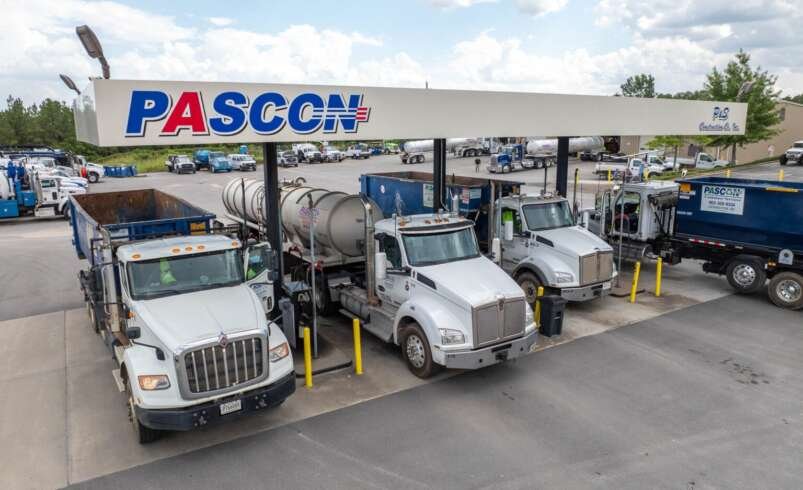

What Is a Cheap Dumpster Rental?
A cheap dumpster rental is a waste-removal service that provides a temporary container at a competitive price. The container is delivered to a designated location, filled with accepted waste, and collected when the rental period ends.
Roll-off dumpsters are commonly used for residential, commercial, and construction projects because they can accommodate different quantities of debris.
Affordable rental options may be available for small household cleanouts, major renovations, roofing work, landscaping, and construction debris. The appropriate choice depends on the amount and type of waste a project generates.
Common Uses for Dumpster Rentals
Dumpster rentals can help manage waste from a variety of activities.
-
Home cleanouts: Removing unwanted furniture, household clutter, and accumulated belongings.
-
Renovations: Collecting permitted flooring, drywall, cabinets, and other construction debris.
-
Roofing projects: Managing shingles and related materials within the container’s weight limits.
-
Landscaping: Collecting branches, leaves, and other accepted yard waste.
-
Construction: Handling permitted building materials and demolition debris.
-
Commercial cleanup: Supporting office renovations, retail improvements, and property maintenance.
The materials accepted by a rental provider can vary. Hazardous waste, chemicals, batteries, and certain appliances may require specialized disposal arrangements.
How Much Does a Cheap Dumpster Rental Cost?
Dumpster rental prices depend on container size, location, waste type, and the terms of the rental agreement. In the United States, smaller containers generally cost less than larger options, although heavy debris can increase the total expense.
Average Dumpster Rental Prices by Size
The following estimates provide a general starting point for comparing rental options.
| Dumpster size | Illustrative rental cost (USD) | Common applications |
|---|---|---|
| 10-yard | $250–$450 | Small cleanouts and bathroom renovations |
| 15-yard | $300–$500 | Small remodeling projects |
| 20-yard | $350–$600 | Kitchen renovations and medium cleanouts |
| 30-yard | $450–$750 | Large renovations and construction |
| 40-yard | $550–$900 | Major construction and commercial projects |
These are illustrative U.S. price ranges, not guaranteed quotes. Actual rates vary by market, provider, included rental period, weight allowance, and disposal fees.
What Is Included in the Rental Price?
A standard rental package may include delivery, container pickup, a defined rental period, and disposal of accepted waste within a specified weight allowance.
However, some providers charge extra for:
-
Exceeding the included weight limit.
-
Keeping the dumpster beyond the agreed rental period.
-
Disposing of restricted or specially handled materials.
-
Obtaining required placement permits.
-
Delivering outside the normal service area.
Comparing the complete rental price rather than the advertised starting rate helps prevent unexpected expenses.
How to Find the Cheapest Dumpster Rental
Finding an affordable rental requires comparing suitable options and understanding the project’s actual waste-removal needs.
Compare Multiple Rental Quotes
Request quotes from several providers serving the project location. Give each provider the same basic information, including the desired dumpster size, debris type, estimated rental duration, and delivery location.
This makes it easier to compare offers accurately.
Each quote should clearly explain the delivery and pickup charges, rental period, included weight, and any potential additional fees.
Choose the Right Dumpster Size
Selecting the correct size can make a substantial difference in the overall cost. A container that is too small may require an additional rental, while an oversized dumpster can mean paying for capacity that is never used.
Estimate the volume of waste before booking and ask the provider for guidance if the project involves bulky or unusually heavy materials.
Look for Flat-Rate Pricing
Some rental providers offer flat-rate packages that combine several standard services into one quoted price.
These packages can simplify budgeting, provided the customer understands the included weight limit, rental period, and exclusions.
A flat rate should not automatically be assumed to cover every expense. The written quote should specify which services and disposal charges are included.
Schedule Delivery Carefully
An unnecessarily early delivery can result in unused rental days. Coordinating delivery with the start of demolition, cleaning, or construction helps make the rental period more productive.
Customers should also plan pickup around the project’s expected completion date to reduce the risk of extension charges.
Ask About Available Discounts
Some providers may offer promotional rates, flexible scheduling, or lower prices for particular rental packages.
Availability varies by location and season, so customers should ask about current options instead of assuming that a particular discount will apply.
Choosing the Right Dumpster for Different Projects
The ideal dumpster size depends on the amount of waste, the materials being discarded, and the available placement space.
Small Home Cleanouts
A 10-yard dumpster can be suitable for a garage cleanup, small bathroom renovation, or limited household decluttering project.
It is often a practical starting point when the waste volume is modest. Heavy materials still require careful attention to the container’s weight allowance.
Medium Renovation Projects
A 15-yard or 20-yard dumpster may be appropriate for flooring replacement, kitchen remodeling, and medium-sized property cleanouts.
These containers provide more room for bulky debris without necessarily requiring the largest available option.
Large Construction and Roofing Projects
A 30-yard or 40-yard dumpster may be useful for substantial renovations, new construction, or large-scale property clearances.
For roofing and demolition work, customers should consider debris density as well as volume. Heavy materials may reach the permitted weight limit before the container is full.
The most economical container is one that accommodates the project’s waste safely without requiring unnecessary extra capacity or additional rentals.
Cheap Dumpster Rental vs. Junk Removal Services
Dumpster rental and junk removal services solve similar problems, but they work differently. The more economical option depends on the project’s size, available labor, and preferred schedule.
| Feature | Dumpster rental | Junk removal |
|---|---|---|
| Loading | Customer typically loads the container | Service team typically removes the items |
| Rental period | Usually available for a defined period | Often arranged for a scheduled pickup |
| Best suited for | Ongoing renovations and larger cleanouts | Quick removal of selected unwanted items |
| Cost considerations | Container size, weight, rental duration | Item volume, labor, access, and disposal |
| Scheduling | Offers time to load gradually | May provide a faster removal process |
For projects generating waste over several days, a dumpster rental can offer convenient, ongoing access to a disposal container.
For a small quantity of bulky items, junk removal may be more practical because the customer does not need to load a container or manage a rental period.
Comparing both services against the project’s actual needs helps determine which option offers better value.
What to Check Before Booking a Cheap Dumpster Rental
An affordable price matters, but the service should also meet the project’s practical requirements.
Confirm Waste Restrictions
Providers have different rules regarding acceptable materials. Household debris, wood, cardboard, and construction waste may be accepted under standard packages, while hazardous chemicals, certain electronics, tires, and other restricted items may require separate arrangements.
Customers should disclose the type of waste before booking to avoid rejected loads or additional charges.
Check Placement Requirements
The delivery location should have enough space for the dumpster and the truck that places it. Customers should consider overhead wires, tree branches, vehicle access, and the stability of the ground.
If a dumpster must be placed on a public street or sidewalk, a permit may be required under local regulations.
Understand Weight Limits
Most rentals include a specified disposal weight allowance. Exceeding that allowance can result in additional charges.
Concrete, bricks, soil, and roofing shingles are particularly important to consider because they can be much heavier than ordinary household debris.
Review the Rental Agreement
Before confirming a booking, customers should review:
-
Total quoted price and included services.
-
Delivery and pickup arrangements.
-
Rental duration and extension charges.
-
Included weight allowance.
-
Prohibited materials and disposal rules.
-
Cancellation terms and any applicable permits.
A clear agreement makes it easier to plan the project and control expenses.
Frequently Asked Questions
What is the cheapest dumpster size to rent?
A 10-yard dumpster is often among the least expensive standard options. It can suit small cleanouts and limited renovation projects, provided the waste fits within its volume and weight limits.
How can customers avoid hidden dumpster rental fees?
Customers should request a complete quote, verify the included weight allowance, understand the rental period, and ask about extra charges before booking. They should also confirm which materials the provider accepts.
Is a cheap dumpster rental suitable for construction debris?
Yes. Affordable dumpster rentals can be suitable for many construction projects, including remodeling and property improvements. The container must be appropriate for the material type and debris weight, and restricted materials must be handled separately when required.
How long can a dumpster be rented?
Many standard packages include approximately seven days, although rental periods differ between providers. Additional days may cost extra, so the rental agreement should specify the applicable terms.
Can a dumpster be placed in a driveway?
A driveway is a common placement location when there is sufficient room and the surface can support the container and delivery equipment. Customers should confirm placement requirements with the provider and check any applicable local rules.
Is the lowest advertised rental price always the best deal?
No. A low starting price may exclude delivery, disposal, or other charges. A slightly higher quote with a suitable weight allowance and clearly defined services may cost less overall.
Conclusion
A cheap dumpster rental can simplify home cleanouts renovations, construction work, and other waste-removal projects. The best value comes from selecting an appropriate container, comparing complete quotes, and understanding rental terms before delivery.
By estimating waste volume, checking weight limits, scheduling delivery carefully, and confirming accepted materials, customers can reduce unnecessary costs and avoid common rental problems.
An affordable dumpster rental should combine competitive pricing, transparent terms, suitable capacity, and dependable waste-removal service.