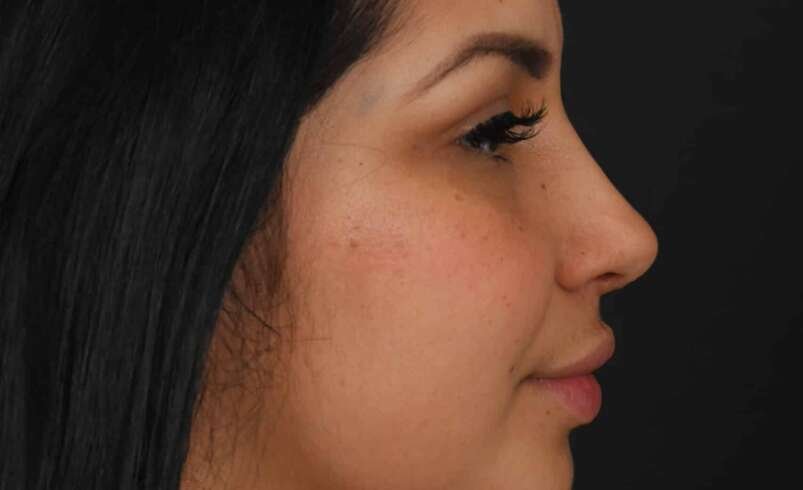

Rhinoplasty is a surgical procedure that reshapes the nose to improve facial balance, address structural concerns, or support better nasal function. People consider nose surgery for different reasons, including a prominent nasal bridge, a rounded or wide nasal tip, asymmetry, previous nasal injuries, or breathing difficulties. Before making a decision, understanding the procedure and discussing your expectations with a qualified surgeon can help you make an informed choice.
If you are considering Rhinoplasty in Islamabad, your consultation should cover more than the desired appearance of your nose. It should also address your medical history, nasal structure, surgical techniques, possible complications, recovery requirements, and realistic outcomes. Open communication allows your surgeon to evaluate your needs and explain whether rhinoplasty is an appropriate option for you.
Explain Your Reasons for Considering Rhinoplasty
Start by explaining why you want nose surgery. Some patients are interested in cosmetic changes, while others want to address functional problems or a combination of both.
During your consultation, discuss concerns such as:
- A nasal bridge that appears too prominent or uneven.
- A wide, drooping, or asymmetrical nasal tip.
- Nostrils that appear wider than desired.
- Changes in nasal shape following an injury.
- Difficulty breathing through one or both nostrils.
Be specific about what you want to improve. Your surgeon can assess whether your expectations are achievable based on your facial proportions, skin thickness, cartilage, bone structure, and nasal function.
Ask About Your Surgeon’s Qualifications and Experience
Choosing an appropriately qualified surgeon is an important part of preparing for rhinoplasty. Ask about their specialist training, experience performing nasal surgery, and familiarity with cases similar to yours.
Useful questions include:
- What qualifications and specialist training do you have?
- How frequently do you perform rhinoplasty procedures?
- Have you treated patients with concerns similar to mine?
- Where will my surgery take place, and what safety arrangements are available?
- Who will provide anaesthesia and monitor me during surgery?
A responsible surgeon should explain their experience clearly, discuss relevant risks, and encourage questions without pressuring you to proceed.
Discuss the Surgical Technique and Expected Results
Rhinoplasty techniques vary according to the patient’s anatomy and treatment goals. Open rhinoplasty involves an incision across the tissue between the nostrils, while closed rhinoplasty uses incisions inside the nose. The appropriate approach depends on the complexity of the procedure and the changes required.
Ask your surgeon to explain:
- Which surgical approach is suitable for your nasal structure.
- Whether bone, cartilage, or both may need modification.
- How the procedure could affect nasal breathing.
- Whether additional procedures might be necessary.
- What results are realistic for your facial features.
Photographs or digital simulations may help communicate your preferences, but they cannot guarantee the final result. Your surgeon should explain the limitations of surgical planning and why preserving nasal function is as important as achieving an aesthetic improvement.
Review Your Medical History and Possible Risks
Your surgeon needs an accurate understanding of your health before recommending surgery. Disclose any existing medical conditions, allergies, previous operations, breathing problems, and medications or supplements you use.
Also discuss smoking or nicotine use, bleeding concerns, and any history of complications with anaesthesia. Never stop prescribed medication without medical guidance.
Although rhinoplasty is commonly performed, it carries potential risks, including:
- Bleeding, infection, or reactions to anaesthesia.
- Persistent swelling or temporary numbness.
- Scarring or dissatisfaction with the cosmetic result.
- Nasal obstruction or changes in breathing.
- The possibility of revision surgery.
Ask how these risks apply to your individual circumstances and what measures will be used to reduce them. Understanding potential complications helps you weigh the benefits against the limitations of surgery.
Understand Recovery, Aftercare, and Follow-Up
Recovery is an essential part of rhinoplasty planning. Your surgeon should provide clear instructions about what to expect during the first few days and the following weeks.
Discuss the expected recovery timeline, including when you may return to work, attend social activities, and resume exercise. You should also ask how to care for your nose, manage discomfort, and protect the surgical area.
Important aftercare questions include:
- How long will I need to wear a nasal splint, if required?
- When can I return to normal daily activities?
- Which activities should I avoid during healing?
- How often will follow-up appointments be scheduled?
- Which symptoms require urgent medical attention?
Initial swelling and bruising generally improve over the first few weeks, but subtle swelling can persist for months. Final results may take a year or longer to become apparent. Follow your surgeon’s individual instructions rather than comparing your recovery with someone else’s experience.
Ask About Costs, Facilities, and Revision Policies
Before scheduling surgery, request a clear breakdown of the total cost. Fees may vary depending on the surgeon’s expertise, surgical complexity, anaesthesia, facility charges, and follow-up care.
Confirm whether the quoted amount includes consultations, laboratory tests, medications, and post-operative appointments. You should also ask about the policy for addressing complications or considering revision surgery if the outcome does not meet the agreed clinical goals.
Avoid choosing a surgeon solely because of a low price. Appropriate qualifications, safe facilities, clear communication, and reliable aftercare should remain central to your decision.
Choosing a Clinic for Rhinoplasty in Islamabad
Selecting a clinic involves assessing the surgeon, the consultation process, surgical safety, and the support available throughout recovery. Patients should look for transparent communication, an individualised treatment plan, and realistic explanations of expected results.
At SKN Cosmetics in Islamabad, prospective patients can enquire about rhinoplasty consultation and discuss their aesthetic goals, nasal concerns, and treatment options with the clinical team. Before proceeding, patients should confirm the operating surgeon’s qualifications, the procedure’s suitability, the surgical facility, and the arrangements for follow-up care. A thorough consultation should help patients understand both the potential benefits and the limitations of nose surgery.
Conclusion
Preparing for rhinoplasty begins with asking the right questions. Discuss your goals, nasal function, medical history, surgical approach, risks, recovery, and total costs before making a decision. A qualified surgeon should provide clear information and recommend an approach suited to your anatomy and health needs.
Taking time to understand these details can help you approach rhinoplasty with realistic expectations and greater confidence in your decision.
Frequently Asked Questions
1. What should I discuss with my rhinoplasty surgeon?
Discuss your goals, medical history, breathing concerns, surgical technique, risks, recovery, and costs.
2. How long does rhinoplasty recovery take?
Most initial recovery occurs over several weeks, while final results may take a year or longer.
3. Can rhinoplasty improve breathing?
Yes, when appropriate, rhinoplasty may be combined with procedures that address structural breathing problems.
4. Is rhinoplasty suitable for everyone?
No. Suitability depends on your health, nasal anatomy, maturity, and realistic expectations.
5. How do I choose a rhinoplasty surgeon in Islamabad?
Check specialist qualifications, relevant experience, surgical safety arrangements, communication, and follow-up care.