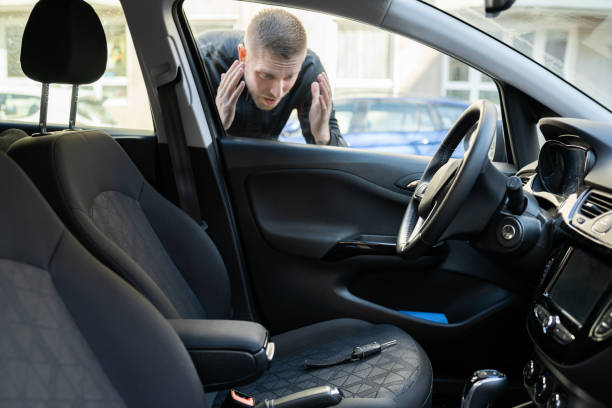
Getting locked out of your car can happen when you least expect it. You might leave your keys on the driver’s seat while unloading groceries, close the door before grabbing your key fob, or discover that your remote no longer works when you are already running late. Whatever the reason, a car lockout can be frustrating, especially when you need to get somewhere quickly.
The important thing is to avoid turning a minor inconvenience into an expensive repair. Forcing a door open, using household tools, or trying an unfamiliar unlocking method can damage the vehicle’s paint, locks, windows, and internal components. A careful approach helps you regain access without creating additional problems.
If you find yourself locked out, there are several practical steps you can take before deciding how to proceed. Knowing when to check for alternative access, when to call for help, and which methods to avoid can save you time and money.
1. Stay Calm and Check Your Surroundings
Your first priority should be personal safety. If your vehicle is parked beside a busy road, in an unfamiliar neighborhood, or in a poorly lit parking area, move to a safer location while keeping the vehicle in sight when possible.
Avoid standing close to moving traffic while inspecting the doors or making phone calls. If you are in a parking garage, look for a well-lit area where you can wait comfortably for assistance.
Once you are in a safe position, take a moment to assess the situation. Check whether your keys are visible inside the vehicle and determine whether the car is completely locked. Sometimes, a rear passenger door, hatchback, or trunk may still be accessible through the vehicle’s normal locking system.
Do not pull forcefully on the handles or push against the windows. If every door is locked, it is better to consider your available options rather than immediately attempting to force entry.
If a child, vulnerable person, or pet is trapped inside and may be in danger from heat, cold, or another immediate threat, call emergency services without delay. Do not spend valuable time trying different unlocking methods.
2. Check for a Spare Key or Digital Access
Before arranging a locksmith visit, consider whether you have another safe way to access your vehicle.
A spare key kept at home or with a trusted family member may solve the problem. If someone can bring it to you without creating another safety issue, this can be a straightforward solution.
Modern vehicles may also offer digital access through a manufacturer’s mobile application. Depending on the vehicle and the features enabled, the app may allow you to lock or unlock the doors remotely. This option is worth checking if you previously registered your vehicle and can access the account.
If you use a traditional key fob, the problem may involve a weak battery rather than a faulty vehicle lock. However, a dead fob battery does not necessarily mean you can open the car immediately. Some vehicles include a concealed mechanical key or an emergency access procedure described in the owner’s manual.
Follow the manufacturer’s instructions rather than attempting to remove trim pieces or force a lock cover with a screwdriver.
If no spare key or digital access method is available, professional assistance is usually the most sensible next step.
3. Avoid Using Household Tools to Open the Door
When your keys are sitting inside the car, it can be tempting to reach for a wire hanger, screwdriver, plastic wedge, or another household object. Online videos may make these techniques look simple, but they do not account for the differences between vehicle models and locking systems.
Modern car doors contain more than a basic mechanical lock. Depending on the design, they may include electronic wiring, sensors, lock linkages, window mechanisms, and side-impact safety components. An incorrectly placed tool can damage these parts even if you manage to open the door.
Prying the upper edge of a door can also bend the frame or damage the weatherstripping. These problems may lead to water leaks, wind noise, poor door alignment, or additional repair costs.
Using sharp objects near the glass creates another risk. A small slip can scratch the window, damage surrounding trim, or cause an injury.
For these reasons, understanding the risks of attempting locksmith work yourself is important before trying to solve a lockout without professional help.
A method that worked on an older vehicle may not be suitable for a newer car. Rather than experimenting with tools, choose an approach that protects the vehicle and avoids unnecessary damage.
4. Contact a Professional Car Lockout Service
If you cannot access your vehicle with a spare key or an authorized digital method, contact a qualified automotive locksmith. A technician experienced with vehicle lockouts can assess the locking system and choose an appropriate method for regaining entry.
A professional car lockout service is designed to help drivers regain access without relying on improvised tools or unnecessarily damaging the vehicle.
When contacting a locksmith, provide as much useful information as possible. Explain the vehicle’s make, model, and year, along with your current location. Mention whether the keys are locked inside, the key fob has stopped working, or the physical key is damaged.
These details help the technician understand the situation and determine which equipment may be needed.
It is also worth asking about the estimated arrival time, service-call fee, and total expected cost before confirming the appointment. If additional work may be required, such as key replacement or electronic programming, ask whether those services are charged separately.
Choose a provider that explains the process clearly and treats your vehicle carefully. A professional should be willing to discuss the proposed work and explain any limitations before proceeding.
5. Understand How Vehicle Locking Systems Differ
Not every car lockout has the same cause. Recognizing the difference can help you explain the problem accurately when requesting assistance.
Traditional key lockouts: These occur when a metal key is left inside the vehicle or the doors are locked before the key can be retrieved. A locksmith can assess the lock and determine an appropriate entry method.
Key fob problems: A remote may stop responding because of a weak battery, internal damage, or an electronic fault. Replacing the battery may resolve some issues, but not every malfunction is caused by the battery.
Smart-key lockouts: Vehicles with proximity keys may lock under circumstances that differ from those of older vehicles. The correct response depends on the manufacturer’s system and available backup access features.
Lost or damaged keys: If the key has been lost, bent, or broken, simply opening the door may not solve the entire problem. You may also need a replacement key or further assistance with the vehicle’s security system.
Sharing these details helps the locksmith prepare for the job and reduces the chance of unnecessary delays.
6. Be Careful When Choosing a Locksmith
Being locked out can make you feel pressured to accept the first service you find. However, taking a few minutes to check the provider can help you avoid unexpected charges and poor workmanship.
Look for a locksmith who provides clear contact information, explains pricing, and has experience with automotive lockouts. Ask whether the quoted amount includes the service call and vehicle entry, and whether extra fees apply for evenings, weekends, or difficult access situations.
You should also be prepared to show identification and proof that you own the vehicle or have permission to access it. These checks are a normal part of responsible locksmith service.
Before work begins, confirm the provider’s identity and make sure the agreed price is understood. If the technician discovers that the lock or another component is damaged, ask for an explanation before approving additional work.
Be cautious of anyone who changes the price significantly without explaining why or immediately recommends expensive repairs for what appears to be a straightforward lockout.
The goal is to regain access safely while keeping the work and cost appropriate to the actual problem.
7. Consider Your Location When Requesting Assistance
Where your vehicle is parked can affect how you arrange help. A lockout in your driveway may be relatively easy to manage, while a vehicle parked in a busy commercial area, a restricted-access property, or a location with limited parking may require more planning.
When calling a locksmith, provide the exact address or a nearby landmark. If you are in a parking garage, identify the level and section where the car is parked. Clear directions can help the technician find you without unnecessary delays.
Drivers in coastal and residential communities may also need to consider gated entrances, security checkpoints, or restricted vehicle access.
For drivers and property owners in the area, local locksmith assistance on Fisher Island can be a useful starting point when looking for locksmith support. When arranging service in a location with controlled access, confirm any entry requirements and share relevant directions with the provider.
If your vehicle is blocking traffic or parked in an unsafe position, explain that when requesting assistance so the situation can be assessed appropriately.
8. What to Do After You Regain Access
Once the door has been opened, take a moment to make sure everything is working as expected. Check that the door opens and closes normally, the lock operates correctly, and the window and surrounding trim show no obvious signs of damage.
If the original problem involved a malfunctioning key fob, test it according to the vehicle manufacturer’s instructions. If the remote continues to fail, arrange an inspection rather than assuming the issue has resolved itself.
You should also consider why the lockout happened. If the key was repeatedly left inside the vehicle, changing your routine may prevent another incident. If the remote is unreliable, replacing its battery or having the system checked may be worthwhile.
For a lost key, ask about making a replacement and whether any additional security steps are appropriate for your vehicle.
A lockout is also a good reminder to review your roadside assistance coverage. Some plans include vehicle entry assistance, although the terms, service limits, and eligible expenses vary.
9. Simple Habits That Can Help Prevent Future Lockouts
Although a lockout cannot always be avoided, a few everyday habits can reduce the chances of it happening again.
- Keep a spare key in a secure location away from the vehicle, or leave one with someone you trust.
- Develop a habit of checking for your keys before closing the car door.
- Replace a weak key fob battery when the remote begins showing signs of reduced performance.
- Set up your manufacturer’s vehicle app in advance if your car supports remote unlocking.
- Save the contact details of a reputable automotive locksmith or roadside assistance provider in your phone.
- If several people share the vehicle, agree on a consistent place to keep the keys when they are not in use.
These small steps can make an inconvenient situation less likely and help you respond more confidently if it happens again.
Conclusion
A car lockout can disrupt your plans, but forcing your way into the vehicle is rarely worth the risk. Household tools and improvised entry methods can damage the door frame, weather seals, glass, or internal locking components, turning a simple inconvenience into a costly repair.
Start by checking your surroundings, looking for a spare key, and considering any digital access options available for your vehicle. If those solutions are not practical, contact a qualified automotive locksmith who can assess the situation and explain the available options.
With a careful approach, clear communication, and a little preparation, you can handle a car lockout without putting your vehicle at unnecessary risk. The best solution is the one that restores access while protecting your car and giving you peace of mind.