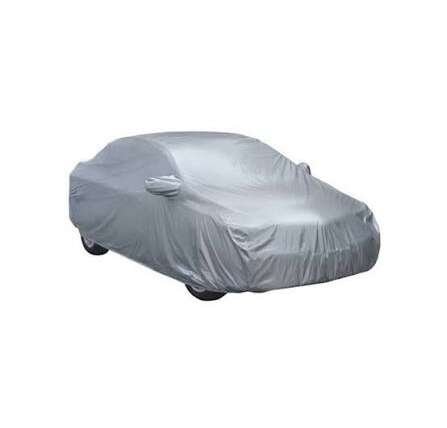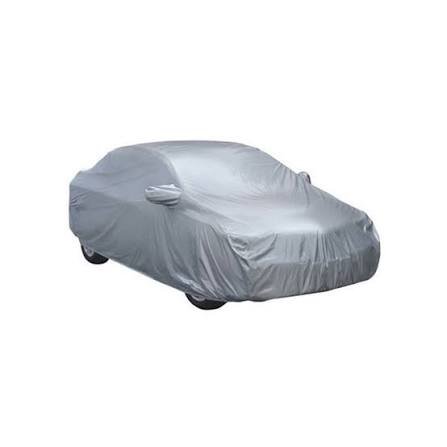

Hailstorms can cause serious damage to vehicles, leaving dents on the bonnet, roof, boot and doors. Even a short period of heavy hail can result in expensive repairs, cracked windscreens and damaged paintwork. For vehicle owners who park outdoors, investing in a hail protection car cover is a practical way to reduce the risk of weather-related damage and keep their vehicles in better condition.
Unlike ordinary car covers, hail protection covers are specifically designed with additional padding and impact-absorbing materials. They provide an extra protective layer between falling hailstones and the vehicle’s exterior. Whether you own a family car, luxury vehicle, SUV or pickup truck, choosing the right hail-resistant cover can offer valuable protection when severe weather arrives.
What Is a Hail Protection Car Cover?
A hail protection car cover is a specially designed vehicle cover that helps minimise damage caused by hailstones. It typically features multiple protective layers, including a weather-resistant outer fabric and thicker cushioning sections that absorb or distribute the force of impacts.
Standard car covers mainly protect against dust, sunlight, rain and bird droppings. Hail protection covers offer additional cushioning to help reduce the likelihood of dents and scratches during hailstorms.
Some premium models include reinforced padding across vulnerable areas such as the roof, bonnet, windscreen and boot. Depending on their construction, they may also provide UV protection, water resistance and improved durability.
Why Do You Need a Hail-Resistant Car Cover?
Hail damage is unpredictable and can happen with little warning. Vehicles parked in open driveways, streets, commercial parking areas and uncovered garages are particularly exposed.
Here are some important reasons to consider a hail protection car cover.
1. Helps Prevent Hailstone Dents
One of the biggest advantages of a padded hail protection cover is its ability to absorb and distribute impact energy. Its cushioning layer helps reduce the force transferred from hailstones to the vehicle’s body panels.
Although no portable cover can guarantee complete protection against every hailstorm, a properly fitted and tested product can provide an additional level of defence.
2. Protects Vehicle Paintwork
Hailstones, flying debris and harsh weather can damage a vehicle’s exterior finish. A protective cover creates a barrier that helps reduce exposure to these elements.
Many hail-resistant covers also protect against dust, tree debris, bird droppings and everyday environmental contaminants.
3. Reduces Potential Repair Expenses
Repairing hail damage can be expensive, particularly when multiple body panels are affected. Paintless dent removal may be suitable for certain dents, but more severe damage can require traditional bodywork and repainting.
Using a suitable hail protection cover can help reduce the likelihood of costly repairs, making it a worthwhile preventive investment.
4. Provides Protection Against Different Weather Conditions
Many modern hail protection car covers are designed for more than one weather condition. Depending on the materials used, they may offer protection against rain, sunlight, dust and wind-blown debris.
This makes them useful for vehicle owners who regularly park outdoors.
Important Features to Look for in a Hail Protection Car Cover
Not every car cover offers the same level of protection. Before purchasing one, consider the following features.
Multi-Layer Construction
Look for a cover with multiple protective layers. A typical design may include a durable outer shell, impact-absorbing foam and a soft inner lining.
The outer layer should resist weather exposure, while the padded middle section helps absorb impacts. A soft interior helps minimise the risk of scratches against the paintwork.
Thick Impact-Absorbing Padding
Padding is one of the most important features of a hail-resistant cover. Thicker cushioning may provide better impact absorption, but thickness alone does not establish performance.
Check whether the manufacturer provides impact-test results, hailstone size ratings or other evidence supporting its protection claims.
Waterproof and UV-Resistant Material
A quality cover should help protect your vehicle from rain and harmful UV exposure. Water-resistant or waterproof materials can help keep the exterior dry, while UV-resistant fabrics are better suited to regular outdoor use.
Also check whether the cover provides adequate ventilation to minimise trapped moisture.
Secure Straps and Wind Protection
Strong winds can cause poorly fitted covers to move, flap or come loose. Choose a design with adjustable straps, elastic hems or secure fastening points.
A snug fit helps prevent unnecessary movement and reduces the risk of friction against the paintwork.
Correct Vehicle Size
Always select a cover that matches your vehicle’s dimensions. Manufacturers often provide separate sizing options for sedans, hatchbacks, SUVs, vans and pickup trucks.
A correctly fitted cover provides better coverage and is generally easier to secure.
Hail Protection Car Cover vs Standard Car Cover
Understanding the difference between these products can help you make an informed purchasing decision.
| Feature | Standard Car Cover | Hail Protection Car Cover |
|---|---|---|
| Dust protection | Yes | Yes |
| Rain protection | Depends on material | Depends on material |
| UV protection | Often available | Often available |
| Impact-absorbing padding | Usually limited | Specially designed padding |
| Hail damage protection | Limited | Enhanced protection |
| Outdoor use | Yes | Yes, if designed for outdoor conditions |
If your main concern is hail damage, a purpose-built padded cover is generally a better choice than a thin, conventional vehicle cover.
How to Use a Hail Protection Car Cover Properly
Correct installation is essential for getting the best results.
Follow these practical steps:
- Clean your vehicle: Remove dust, dirt and loose debris before installing the cover to minimise the risk of paint scratches.
- Check the weather forecast: Install the cover when severe weather is expected, allowing enough time to secure it properly.
- Position the cover correctly: Align the protective padding with vulnerable vehicle areas, particularly the roof, bonnet and windscreen.
- Secure all straps: Fasten adjustable straps and elastic sections according to the manufacturer’s instructions.
- Check the fit: Ensure the cover is not excessively loose or positioned in a way that exposes important areas.
- Dry before storage: After use, allow the cover to dry completely before folding and storing it.
Regularly inspect the material, padding and fastening components for signs of wear.
How to Choose the Best Hail Protection Car Cover
The best hail protection car cover depends on your vehicle, local weather conditions and parking arrangements.
Start by identifying the level of hail risk in your area. If severe hailstorms are common, consider a premium cover with substantial impact-absorbing padding and documented performance testing.
Next, compare material quality, coverage, fit, ventilation and ease of installation. A lightweight design may be convenient for everyday use, while a heavier padded model may be more appropriate for seasonal storm protection.
It is also important to read customer reviews and check the manufacturer’s warranty and return policy. Avoid products that promise absolute hail protection without providing supporting test information.
Is a Hail Protection Car Cover Worth Buying?
For people who regularly park outdoors, a hail protection car cover can be a sensible investment. It provides an additional protective barrier, helps reduce exposure to harsh weather and may lower the risk of expensive hail-related repairs.
However, it should not be considered a replacement for secure indoor parking. During severe hail warnings, a covered garage or sturdy, properly rated shelter remains the preferred option whenever available.
Frequently Asked Questions (FAQs)
1. Does a hail protection car cover really work?
Yes, a properly designed padded cover can help absorb hailstone impacts and reduce the likelihood of dents. However, its effectiveness depends on padding quality, construction, fit and hailstone severity.
2. Can a hail protection car cover prevent all hail damage?
No. Even heavy-duty covers cannot guarantee complete protection against large hailstones, extreme winds or severe storms. Always consider secure indoor parking when possible.
3. Are hail-resistant car covers waterproof?
Some models are waterproof, while others are only water-resistant. Check the product specifications before purchasing, particularly if you plan to leave your vehicle outdoors.
4. Can I use a hail protection cover every day?
Many models can be used regularly, but their weight and installation requirements vary. Choose a design suitable for your intended frequency of use.
5. How do I select the correct cover size?
Measure your vehicle’s length, width and height, then compare these measurements with the manufacturer’s sizing chart. Make sure the selected model provides suitable coverage for your vehicle type.
Conclusion
A hail protection car cover is a valuable addition to vehicle protection, especially for drivers who park outdoors or live in areas prone to unpredictable weather. With impact-absorbing padding, durable materials, secure fastening systems and a proper fit, the right cover can help reduce the risk of hail damage and protect your vehicle’s exterior.
Before purchasing, compare product construction, verified impact performance, weather resistance and compatibility with your vehicle. Choosing a quality hail-resistant cover can help you prepare for severe weather and protect your vehicle investment with greater confidence.