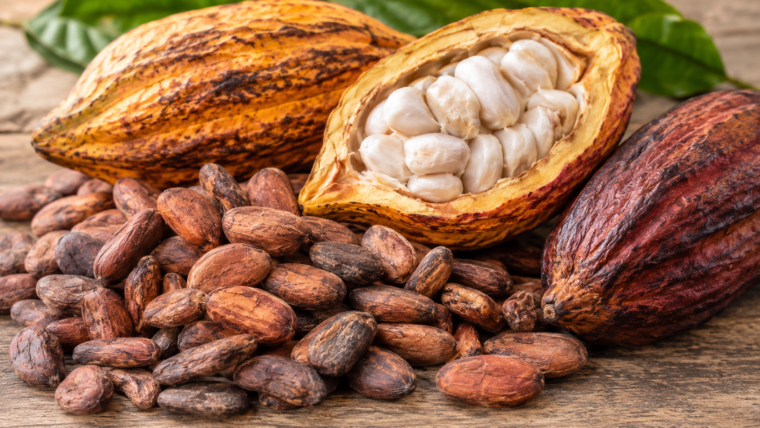

Chocolate production begins with selecting the right cocoa beans. Their variety, fermentation, drying, quality, and post-harvest handling can influence the flavour, aroma, and processing characteristics of the final chocolate. For Cocoa beans for chocolate manufacturers, understanding the different cocoa types is important when comparing raw materials and planning purchases. Manufacturers should consider their product requirements, processing methods, expected flavour profile, and supply needs before choosing a suitable cocoa source.
What Are the Main Types of Cocoa Beans?
Cocoa beans are commonly classified into three traditional groups: Criollo, Forastero, and Trinitario. Each group has different characteristics that can influence chocolate production. Understanding these categories helps manufacturers identify suitable raw materials for different chocolate products.
- Criollo Cocoa Beans: Often associated with delicate flavour characteristics, mild bitterness, and aromatic qualities. Criollo is traditionally considered a fine-flavour cocoa type and is used in specialty chocolate production.
- Forastero Cocoa Beans: Widely cultivated and commonly used in commercial chocolate manufacturing. These beans are generally valued for their availability and suitability for large-scale processing.
- Trinitario Cocoa Beans: A hybrid group associated with Criollo and Forastero ancestry. Its flavour and physical characteristics can vary depending on its growing region and cultivation practices.
Although these three groups provide a useful starting point, manufacturers should understand that cocoa quality is not determined by variety alone.
Other factors include:
- Growing conditions and geographical origin.
- Harvesting and pod selection practices.
- Fermentation and drying methods.
- Storage and transportation conditions.
- Bean condition and quality consistency.
These characteristics help buyers understand the differences between available cocoa lots and select products according to their manufacturing objectives.
How Does Cocoa Bean Quality Affect Chocolate Production?
Cocoa bean quality plays an important role in the manufacturing process because it influences the raw material entering the production facility. Properly fermented and dried beans are important for developing desirable cocoa flavour and maintaining suitable storage conditions. Manufacturers should evaluate the physical condition of the beans before purchasing, particularly when sourcing raw materials for regular production.
Important quality factors to consider include:
- Fermentation: Proper fermentation helps develop the flavour and aroma compounds needed for chocolate production.
- Moisture content: Appropriate drying helps reduce the risk of mould development during storage and transportation.
- Bean condition: Buyers should check for broken, mouldy, insect-damaged, or improperly developed beans.
- Foreign matter: Cocoa lots should be checked for unwanted materials such as stones, dust, and other impurities.
- Drying method: Sun-dried and mechanically dried beans may be available depending on the sourcing and preparation process.
Manufacturers should also review inspection results and agreed product specifications before confirming a commercial purchase. These checks help buyers understand whether a particular lot meets their processing and quality expectations.
What Should Manufacturers Consider When Choosing Cocoa Beans?
Selecting cocoa beans requires more than comparing prices or product descriptions. Manufacturers should understand their production requirements and evaluate the available supply accordingly. A suitable Cocoa beans supplier for food manufacturers should be able to discuss product origin, available quantities, quality specifications, packaging, and shipment requirements.
Before purchasing, businesses should consider:
- Intended application: Identify whether the beans are required for chocolate bars, confectionery, cocoa grinding, or other food products.
- Quality specifications: Review fermentation, moisture, bean condition, and acceptable defect levels.
- Sample evaluation: Request an available sample and conduct relevant quality tests before committing to a larger order.
- Supply availability: Confirm whether the supplier can accommodate the required quantity and expected purchasing schedule.
- Packaging: Review export-grade jute bags or other agreed packaging options.
- Delivery requirements: Consider the destination, shipment schedule, transportation arrangements, and applicable trade terms.
Careful evaluation makes purchasing decisions more informed and helps manufacturers establish clearer expectations with their suppliers.
Why Is Bulk Cocoa Sourcing Important for Manufacturers?
Manufacturers with regular production requirements often need a dependable supply of cocoa beans to maintain purchasing schedules and manage inventory. Planning Bulk Cocoa bean orders involves reviewing available quantities, product specifications, packaging, pricing, and shipment timelines. Buyers should also consider warehouse capacity and expected consumption before confirming an order. Evaluating these factors in advance can help businesses coordinate procurement more effectively, reduce unexpected supply interruptions, and develop purchasing arrangements that support their production requirements.
What Makes Cameroon Cocoa Suitable for Global Buyers?
Cocoa origin is another important consideration when selecting raw materials for chocolate manufacturing. Growing regions, agricultural practices, harvesting methods, and post-harvest preparation can influence the characteristics of cocoa beans. Cameroon is an established cocoa-producing country with a supply network involving farmers, cooperatives, suppliers, and exporters.
When evaluating cocoa from Cameroon, commercial buyers should consider:
- Origin: Understand the producing region and available crop information.
- Preparation: Review whether the beans are fermented and properly dried.
- Quality assessment: Check moisture, fermentation, and defect levels against agreed requirements.
- Packaging: Confirm suitable packaging for international transportation.
- Availability: Discuss quantities and shipment schedules before placing an order.
Working with an experienced Cameroon Cocoa supplier can help international buyers understand origin-market sourcing, available products, and commercial purchasing requirements.
For manufacturers, the objective should be to select cocoa beans that match their production needs while establishing clear quality and supply expectations.
Discuss Your Cocoa Sourcing Requirements
Choosing suitable cocoa beans involves understanding product characteristics, quality expectations, and supply availability. Makay Global Trading connects commercial buyers with Cameroon-origin cocoa beans for chocolate manufacturing, processing, and wholesale requirements. Buyers can discuss available quantities, product specifications, sample inquiries, and shipment requirements according to their business needs.For sourcing inquiries, contact +1 800 965 8307 .
Frequently Asked Questions?
1. Which cocoa bean type is commonly used in chocolate manufacturing?
Forastero is widely used in commercial chocolate production because of its availability and suitability for large-scale processing. Criollo and Trinitario are also used, particularly in specialty chocolate products.
2. Why is fermentation important for cocoa beans?
Fermentation helps develop the flavour and aroma precursors that contribute to chocolate’s characteristic taste. Proper fermentation also influences the internal condition of cocoa beans.
3. How can manufacturers check cocoa bean quality before purchasing?
Manufacturers can evaluate moisture, bean count, fermentation, physical defects, foreign matter, and aroma. Sample testing and inspection reports can also help assess a particular lot.
4. Are sun-dried and mechanically dried cocoa beans available?
Yes. Both drying methods are used in cocoa preparation. Availability depends on the origin, supplier, and particular lot. Buyers should discuss their preferred drying method before purchasing.
5. Can manufacturers request cocoa bean samples before bulk orders?
Yes. Commercial buyers can inquire about sample availability, sample size, and dispatch costs. Testing a sample helps manufacturers evaluate the product before agreeing on specifications for a larger order.