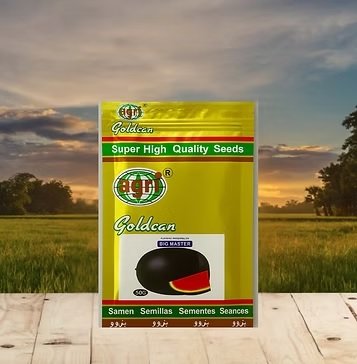

Watermelon is an important commercial fruit crop cultivated by farmers across different parts of India. Its popularity among consumers makes it a common choice in summer fruit markets. For growers, successful watermelon production involves several decisions, including selecting suitable seeds, preparing the land, managing irrigation, and understanding market requirements.
With the development of modern agricultural breeding, farmers can choose from different hybrid varieties designed with specific fruit and plant characteristics. Selecting the right watermelon seeds hybrid can help growers plan their cultivation according to their farming conditions and the preferences of their customers.
The Growing Importance of Hybrid Watermelon Cultivation
Traditional and hybrid watermelon varieties may differ in several characteristics. Hybrid seeds are developed by crossing selected parent lines to combine desirable traits in a new variety.
Depending on the hybrid, farmers may find differences in fruit size, rind appearance, flesh colour, sweetness, plant vigour, and maturity period. These characteristics make it important to understand the product details before choosing seeds.
Rather than selecting a variety simply because it is popular, growers should consider whether it matches their soil, climate, irrigation facilities, and local market demand.
Choosing Seeds According to Farming Requirements
Every farming location has different agricultural conditions. Therefore, seed selection should be based on practical requirements.
Fruit Shape and Size: Different hybrids can produce fruits with different shapes and sizes. Farmers should consider the preferences of their target buyers.
Flesh Quality: Flesh colour, texture, and sweetness are important characteristics that influence consumer preference.
Crop Maturity: The expected maturity period helps growers prepare a suitable sowing and harvesting schedule.
Regional Suitability: Temperature, sunlight, and soil conditions should be considered before selecting a hybrid.
Seed Packaging: Check the batch information, packing date, validity, and sowing instructions before purchasing.
Careful consideration of these factors can help farmers make better seed selection decisions.
Creating the Right Environment for Watermelon Plants
Watermelon generally requires warm weather, sufficient sunlight, and well-drained soil for healthy development. Sandy loam soil with suitable organic matter is commonly preferred.
Land preparation should begin by removing weeds and unwanted crop residues. The soil should be loosened properly to create favourable conditions for root development.
Farmers should also consider soil testing before cultivation. It provides useful information about nutrient availability and helps determine suitable fertiliser requirements.
Proper drainage is essential because excessive standing water can damage roots and affect crop development.
A Step-by-Step Approach to Crop Maintenance
After sowing, watermelon plants need regular attention throughout their growth period.
- Early growth: Maintain suitable soil moisture to support germination and plant establishment.
- Vegetative stage: Provide balanced nutrition and manage unwanted weeds.
- Flowering stage: Monitor plant health and maintain appropriate irrigation.
- Fruit development: Avoid irregular watering and follow recommended nutrient management.
- Harvesting stage: Observe variety-specific maturity indicators before collecting fruits.
Following a planned crop management routine helps growers monitor their fields and identify problems at an early stage.
Common Challenges in Watermelon Cultivation
Farmers may face different challenges depending on the season and growing environment. Insects, fungal infections, poor drainage, nutrient deficiencies, and irregular irrigation can affect crop development.
Regular field inspection is one of the most useful practices for identifying these issues. Maintaining field cleanliness, practising crop rotation, and using integrated pest management methods can support better crop health.
Plant protection products should only be used when appropriate, following approved recommendations and label instructions.
Harvesting and Selling Watermelon Successfully
The right harvesting time plays an important role in fruit quality. Each hybrid may have different maturity characteristics, so farmers should follow the recommendations provided for their selected variety.
Fruits should be collected carefully to prevent bruising and other physical damage. Proper sorting and transportation also help maintain their appearance and freshness.
From a business perspective, growers should understand local wholesale prices, consumer preferences, seasonal demand, and transportation costs before planning their cultivation.
Find Watermelon Seed Options at Hindustan Seeds & Pesticides
Selecting seeds from a dependable supplier helps farmers access product information and understand the characteristics of available varieties.
Hindustan Seeds & Pesticides offers seed-related products for growers interested in different agricultural crops. Farmers looking for watermelon seed options can explore the company’s website to learn more about its products.
Conclusion
Watermelon cultivation requires a combination of suitable seed selection, proper soil preparation, balanced irrigation, and timely crop maintenance. Choosing appropriate watermelon seeds hybrid varieties helps farmers explore different cultivation options based on their regional conditions and market requirements.
A well-planned approach from sowing to harvesting can make crop management more organised. By understanding hybrid characteristics and following recommended agricultural practices, growers can focus on maintaining fruit quality and developing better farming strategies.