

In today’s globalized media landscape, connecting with Arabic-speaking audiences requires more than just translation — it demands authentic, culturally resonant voice work. This is where a skilled Arabic voice over artist becomes essential. Whether you’re producing a commercial, an e-learning module, an animated film, or a corporate explainer video, the right Arabic voice can make the difference between content that merely informs and content that truly connects.
This blog explores what makes a professional Arabic voice over artist valuable, the industries that benefit most from their expertise, and how to choose the right voice for your project.
What Is an Arabic Voice Over Artist?
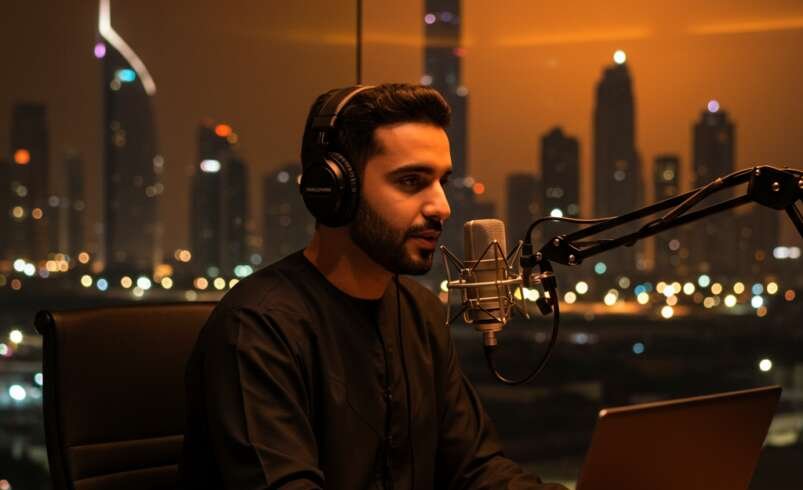
An Arabic voice over artist is a trained vocal professional who records narration, dialogue, or dubbing in Arabic for various forms of media. Unlike a simple translator, a voice over artist brings tone, emotion, pacing, and cultural nuance to a script — qualities that are critical for audience engagement.
Arabic is a rich and diverse language with multiple dialects, including:
- Modern Standard Arabic (MSA) — used in formal media, news broadcasts, and official documents
- Egyptian Arabic — widely understood across the Middle East due to Egypt’s film and TV industry
- Gulf Arabic — common in UAE, Saudi Arabia, Qatar, and surrounding regions
- Levantine Arabic — spoken in Syria, Lebanon, Jordan, and Palestine
- Maghrebi Arabic — used in Morocco, Algeria, and Tunisia
A skilled voice over artist understands which dialect suits your target audience and can adapt their delivery accordingly.
Why Hire a Professional Arabic Voice Over Artist?
Investing in professional voice talent offers several distinct advantages over generic or automated alternatives:
- Cultural authenticity — A native speaker understands idiomatic expressions, humor, and tone that resonate with local audiences
- Dialect precision — They can tailor pronunciation and phrasing to a specific region or a neutral, broadly understood accent
- Emotional range — Professional artists convey warmth, urgency, authority, or excitement as the script demands
- Studio-quality audio — Trained voice actors typically work with proper recording equipment, ensuring clean, broadcast-ready sound
- Brand consistency — A consistent voice across campaigns builds recognition and trust with your audience
Industries That Rely on Arabic Voice Over Talent
Arabic voice over services are in demand across a wide range of sectors:
- Advertising and marketing — TV commercials, radio spots, and digital ad campaigns
- E-learning and corporate training — Course narration and instructional videos
- Film and television — Dubbing, subtitling support, and animation voicing
- Gaming — Character voices and in-game narration
- IVR and telecom systems — Automated phone menus and customer service prompts
- Documentaries and audiobooks — Long-form narration requiring stamina and storytelling skill
- Corporate communications — Internal training videos, product demos, and investor presentations
How to Choose the Right Arabic Voice Over Artist
Selecting the right talent involves more than picking a pleasant voice. Consider the following factors:
- Target dialect and region — Match the artist’s dialect to your audience’s location
- Tone and style — Decide whether you need a formal, conversational, energetic, or authoritative delivery
- Experience and portfolio — Review previous work samples relevant to your industry
- Technical setup — Confirm the artist has professional recording equipment and can deliver broadcast-quality files
- Turnaround time — Ensure their availability aligns with your project deadlines
- Reviews and references — Check testimonials or ask for client references to verify reliability
Conclusion
A professional Arabic voice over artist does far more than read a script aloud they bring your message to life for millions of Arabic-speaking viewers and listeners across the Middle East and North Africa. From selecting the right dialect to delivering the appropriate tone and emotion, the right voice talent ensures your content feels authentic, trustworthy, and engaging. Whether you’re launching a global ad campaign, building an e-learning platform, or producing an animated series, partnering with an experienced Arabic voice over artist is a worthwhile investment in how your brand is perceived across the Arabic-speaking world.
FAQ’s
1. What is the difference between Modern Standard Arabic and dialectal Arabic in voice over work?
Modern Standard Arabic (MSA) is used for formal content like news, documentaries, and official corporate material, while dialectal Arabic (Egyptian, Gulf, Levantine, etc.) is used for content that needs to feel local and conversational, such as advertisements or entertainment.
2. How do I know which Arabic dialect to choose for my project? The right dialect depends on your target audience’s location. If you’re targeting a pan-Arab audience, MSA or Egyptian Arabic is often a safe, widely understood choice. For region-specific campaigns, it’s best to use the dialect native to that area.
3. How much does it typically cost to hire an Arabic voice over artist? Pricing varies based on the artist’s experience, project length, usage rights, and turnaround time. Rates can range from budget-friendly options for short projects to premium pricing for experienced talent working on large commercial campaigns.
4. Can an Arabic voice over artist also provide dubbing services? Yes, many professional Arabic voice over artists are trained in dubbing, which involves syncing translated dialogue to match the lip movements and timing of the original video content.
5. What file formats and audio quality should I expect from a professional artist?
Most professional voice over artists deliver broadcast-quality audio in formats such as WAV or high-bitrate MP3, recorded in a treated studio environment to ensure clarity and freedom from background noise.