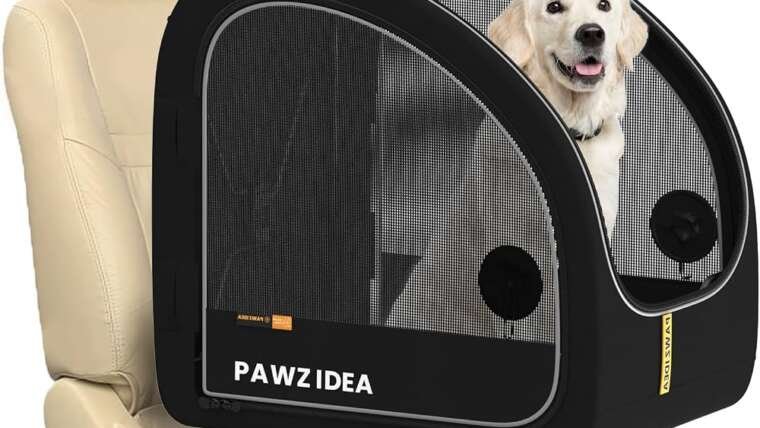

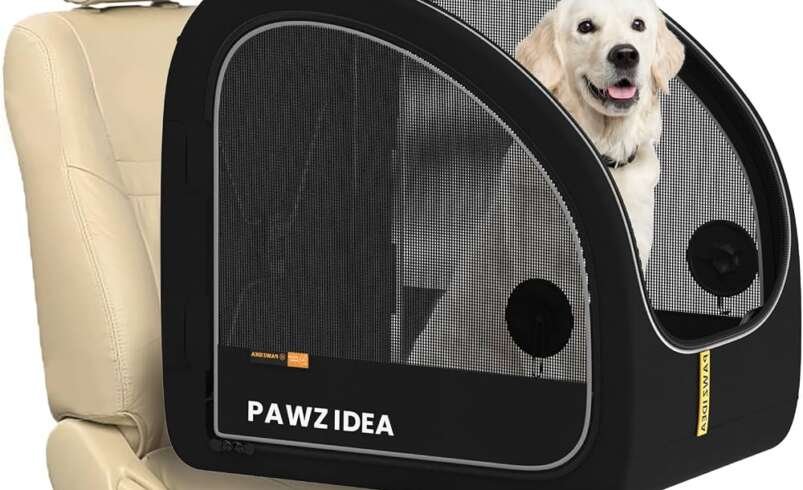

Taking your dog along on hikes, weekend road trips, or daily urban errands brings genuine joy to outdoor adventures. High-performance dog rucksacks offer a practical, safe, and comfortable solution for carrying dogs who cannot keep up with long walks due to age, physical limitations, or small size. Rather than leaving your furry companion behind, an ergonomically designed carrier lets you share every journey while keeping your pet relaxed and fully protected.
Selecting the ideal backpack involves balancing physical comfort for the carrier with structural safety and adequate airflow for the dog. This guide breaks down everything required to choose, fit, and use dog rucksacks for seamless travel across various environments.
Key Reasons to Invest in a Backpack Carrier for Your Dog
Walking on a leash is not always practical, safe, or possible for every pet. Challenging terrain, high temperatures, crowded pavements, or joint pain can make long journeys difficult for vulnerable animals.
Major Benefits for Active Pet Families
-
Support for Senior and Special Needs Dogs: Allows older pets with arthritis or mobility issues to enjoy fresh air and outdoor scenery without physical strain.
-
Protection Against Ground Hazards: Elevates small dogs above hot asphalt, sharp trail rocks, thorny plants, and crowded walkways.
-
Balanced Human Ergonomics: Distributes your pet’s weight evenly across your back, shoulders, and hips for comfortable carrying over long distances.
-
Stress Reduction in Busy Settings: Offers nervous or easily startled pets a cozy, elevated vantage point right next to your body.
Essential Structural Features of High-Quality Pet Carriers
A reliable carrier must feature durable materials, heavy-duty stitching, and well-thought-out safety details to perform well over time.
Ergonomic Features for Human Carriers
Carrying live weight requires proper load distribution to avoid back fatigue or shoulder soreness.
-
Thickly Cushioned Shoulder Straps: Wide, padded straps absorb shock and eliminate digging into your shoulders during movement.
-
Adjustable Sternum and Waist Belts: Chest and hip straps lock the pack closely against your body, preventing annoying weight shifts on uneven paths.
-
Ventilated Back Panels: Padded mesh channels allow continuous air circulation against your spine to reduce sweat accumulation.
Safety and Comfort Details for Pets
Your dog needs a stable, well-ventilated enclosure that supports natural sitting and lying positions.
-
Built-in Safety Tethers: Internal clips fasten directly to your dog’s harness to prevent accidental escapes or sudden jumps.
-
Rigid Base Support: A strong, padded bottom board keeps the bag from sagging under your pet’s weight, providing a flat floor to rest on.
-
Claw-Resistant Mesh Windows: Multi-sided mesh openings provide maximum ventilation and visibility while resisting tears from dog nails.
Accurate Sizing: How to Measure Your Dog Correctly
Choosing an incorrect bag size causes poor posture and physical discomfort for your pet. Accurate measurements ensure a cozy, supportive fit.
Four Steps to Measure Your Pet
-
Back Length: Measure along the spine from the base of the neck down to the root of the tail.
-
Chest Circumference: Wrap a flexible tape around the widest section of the ribcage behind the front legs.
-
Standing Height: Measure vertically from the floor to the top of the shoulder blades while your pet stands straight.
-
Body Weight: Use a digital scale to confirm your pet falls well within the maximum load capacity specified by the manufacturer.
A well-proportioned pack provides enough interior room for your dog to sit, turn around naturally, and rest without feeling compressed.
Practical Everyday Uses: From Trail Hikes to City Travel
Modern pet carriers seamlessly adapt to different environments, making them a versatile piece of gear for active lifestyles.
Public Transit and City Mobility
Metropolitan transport networks often require pets to be securely enclosed inside carriers. A sturdy backpack keeps your dog calm amidst loud train noises, bustling stations, and packed crowds while fulfilling transit requirements.
Outdoor Hikes and Wilderness Excursions
Steep paths, muddy trails, and hot summer afternoons can quickly exhaust small or short-legged breeds. Carrying your pet over tough stretches prevents paw injuries and helps avoid heat exhaustion.
When choosing outdoor gear, selecting manufacturers known for robust construction and pet-first design makes a world of difference. Companies like Pet Carrier UK excel in premium travel solutions built specifically for pet comfort, offering weather-resistant fabrics, reinforced seams, and advanced load-bearing structures suitable for both city streets and rugged country trails.
Step-by-Step Training: Acclimatizing Your Dog to the Carrier
Introducing your dog to a new carrier using patience and positive reinforcement prevents fear and ensures smooth outings.
Five-Step Acclimatization Method
-
Open Exploration: Place the unzipped carrier flat on the living room floor so your dog can investigate it freely without pressure.
-
Reward Placement: Drop favorite treats or familiar toys inside the opening to create a positive association with the interior.
-
Stationary Practice: Encourage your pet to sit inside willingly with the zippers open while offering verbal praise and treats.
-
Short Indoor Lifts: Secure the safety tether, close the main zippers, and lift the pack for brief two-minute walks around the house.
-
Initial Outdoor Trips: Start with brief ten-minute strolls around your neighborhood before attempting long hikes or travel days.
Cleaning and Maintenance for Long-Term Durability
Keeping your carrier clean and well-maintained preserves its structural integrity and ensures high hygiene standards.
Regular Cleaning Routine
-
Exterior Cleaning: Use warm water, mild soap, and a soft cloth or brush to scrub away dirt, mud, and dust from the outer shell.
-
Interior Liners: Remove fleece pads or floor cushion covers and wash them on a gentle, cold-water cycle using unscented soap before air drying completely.
-
Hardware Care: Check zippers, buckles, and safety clips regularly to clean out trapped fur, dirt, or debris.
Proper Gear Storage
Store your backpack upright in a dry, well-ventilated space away from direct heat sources. Never stack heavy items on top of structured bags to protect the internal frame from bending out of shape.
Final Thoughts on Exploring Together
Investing in a well-built pet backpack completely transforms how you travel with your canine friend. By prioritizing human ergonomics, accurate dog sizing, sturdy safety clips, and proper airflow, you create a safe environment for every outdoor excursion. Measure your dog accurately, introduce the new gear at a comfortable pace, and enjoy convenient, hands-free adventures wherever your journeys take you.