

IQ tests have long been used to evaluate specific cognitive abilities such as reasoning, problem-solving, memory, and pattern recognition. Today, people can access online IQ tests within seconds, making intelligence testing more convenient than ever. However, this raises an important question: how accurate are online IQ tests compared with traditional IQ tests administered in controlled settings?
The short answer is that accuracy varies. Some online assessments are thoughtfully designed and can provide useful estimates of cognitive performance, while others are mainly intended for entertainment. Traditional IQ tests generally have stronger standardization and professional oversight, which can make their results more appropriate for formal purposes.
Understanding Online IQ Tests
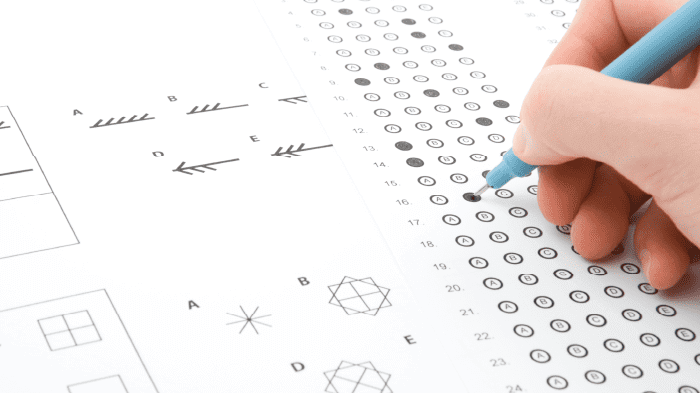
Online IQ tests typically present a series of questions through a website or app. These questions may involve numerical sequences, visual patterns, logical problems, spatial reasoning, vocabulary, or other cognitive tasks. After completion, the system calculates a score based on the user’s answers.
The main advantage is convenience. Users can take an online test from home without scheduling an appointment. However, this flexibility can also create limitations. Testing conditions are rarely standardized, and different websites may use different questions, time limits, scoring formulas, and comparison groups.
How Accurate Are Online IQ Tests?
When considering how accurate are online iq tests two important concepts are reliability and validity. Reliability refers to the consistency of results, while validity concerns whether an assessment actually measures what it claims to measure.
A reputable online test should provide information about how it was developed, how its questions were evaluated, and how its scores were calculated. It should ideally have evidence that its results are reasonably consistent and meaningful.
However, simply receiving a numerical score does not guarantee accuracy. Some websites may provide scores without explaining their statistical methods or reference populations. Such results should be interpreted cautiously.
Traditional IQ Tests
Traditional IQ tests are generally administered under standardized conditions, often with the guidance of a qualified examiner. The examiner can provide consistent instructions, monitor the testing environment, and ensure that the assessment follows established procedures.
Many established intelligence assessments are developed using extensive research and standardized samples. This allows an individual’s performance to be compared with an appropriate population. Traditional testing may also provide a detailed profile of different cognitive abilities rather than focusing on a limited collection of online puzzles.
These characteristics make traditional assessments more suitable when results are needed for educational, clinical, or professional purposes.
Why Scores Can Differ
It is normal for someone to receive different scores from an online test and a traditional assessment. The tests may measure different combinations of abilities or use different scoring systems. Performance can also change depending on factors such as fatigue, stress, concentration, distractions, and familiarity with similar questions.
Online testing can be particularly sensitive to environmental distractions. A person taking a timed test while receiving phone notifications may perform differently from someone completing an assessment in a quiet, controlled environment.
Which Test Should You Trust?
So, how accurate are online IQ tests when compared with traditional assessments? A high-quality online test may offer a useful estimate of selected cognitive skills, but it should not automatically be considered equivalent to a professionally administered test.
For casual curiosity and self-exploration, an online IQ test can be an interesting tool. When choosing one, look for transparency about test design, scoring, reliability, validity, and reference populations.
For important decisions, however, a standardized traditional assessment is generally more appropriate. Professional testing offers greater control over administration and interpretation.
Final Thoughts
Online IQ tests provide accessibility and convenience, but their accuracy depends heavily on how they are designed and scored. Traditional IQ tests generally have greater standardization and professional oversight.
Ultimately, an online IQ score should be treated as an estimate rather than a definitive measurement of intelligence. Understanding the limitations of both testing formats can help you interpret results more realistically and avoid placing too much importance on a single number.