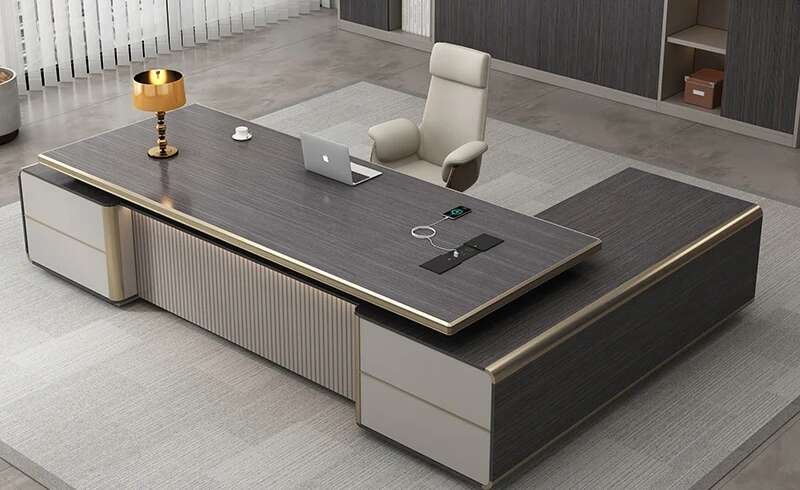

A well-planned workplace should provide furniture that supports both productivity and everyday comfort. The Office Chair is one of the most frequently used pieces of furniture in a professional environment, so its design can influence how employees experience their workstations throughout the day. From administrative tasks and computer work to online meetings and creative projects, employees need seating that fits their working habits. Choosing the right chair involves more than selecting an attractive color or modern shape. Businesses should consider ergonomic features, materials, durability, workstation dimensions, maintenance requirements, and the overall design of the office before making a purchase.
Start With Workplace Requirements
Every office has different requirements based on its size, industry, workforce, and daily activities. A technology company may need comfortable seating for employees who spend most of their day at computers, while a law firm may require formal furniture for private offices and client meetings. Educational institutions, government departments, call centers, and corporate offices can also have different priorities. Before purchasing furniture, businesses should identify where the seating will be used and how frequently it will be occupied. This simple assessment helps prevent unnecessary purchases and ensures that furniture is selected according to actual workplace needs.
Pay Attention to Ergonomic Features
Ergonomic design is an important consideration for modern workplaces. Employees often remain at their desks for long periods, making adjustable features particularly useful. Seat height adjustment allows users to position themselves appropriately in relation to their desks. A reclining backrest can provide flexibility when employees change their sitting position. Adjustable lumbar support may offer additional support for the lower back, while adjustable armrests can help users position their arms comfortably. These features allow employees with different body proportions and working preferences to customize their seating instead of depending on a fixed configuration.
Select a Suitable Backrest
The backrest should provide reliable support while allowing natural movement. A good design should support the upper and lower portions of the back without making the user feel restricted. Mesh backrests can be useful in warm office environments because their breathable structure encourages airflow. Padded backrests can provide a softer sitting experience and are often suitable for executive offices or traditional workplace interiors. The best option depends on the working environment and user preferences. Businesses should also consider whether the backrest maintains its support after repeated daily use.
Evaluate Seat Comfort
The seat is another important element that should not be overlooked. Employees need enough space to sit naturally without feeling restricted by narrow dimensions. At the same time, an oversized seat may not be suitable for smaller workstations. Cushioning should offer comfort while maintaining its shape over time. The front edge of the seat should also avoid creating unnecessary pressure when a person sits for an extended period. Businesses can compare different seat shapes and cushioning materials to determine which option works best for their workforce and office environment.
Match Chairs With Workstations
Seating should be considered alongside the desk rather than as a separate purchase. The height of the desk, monitor position, keyboard location, and available legroom all affect the way employees interact with their workstations. A chair with adjustable height can make it easier to establish an appropriate relationship between the user and desk. Businesses should also check that armrests do not prevent the chair from moving close enough to the work surface. Measuring the available space before purchasing furniture can prevent problems caused by oversized or poorly matched designs.
Choose Materials for the Environment
Office furniture materials should reflect the conditions in which the seating will be used. Fabric can create a warm and professional appearance, while mesh can provide ventilation for employees working in warm environments. Synthetic upholstery may be suitable for areas where regular cleaning is important. More formal materials can create a sophisticated appearance in executive rooms or boardrooms. Businesses should also consider durability, cleaning requirements, and expected daily use. A material that looks attractive but requires excessive maintenance may not be practical for a busy workplace.
Consider Mobility and Stability
Movement is an important part of many modern workstations. Employees may need to reach documents, storage areas, additional monitors, or equipment without repeatedly standing up. A stable base with appropriate casters can make these movements easier. However, mobility should not compromise stability. The wheels should work appropriately with the office flooring, and the base should provide reliable support. Businesses should also leave enough clearance around workstations so employees can move their chairs without hitting desks, cabinets, walls, or neighboring furniture.
Think About Office Layout
Furniture selection should support the overall layout of the workplace. A large executive chair may be suitable for a private office but unnecessary in a compact workstation area. Similarly, streamlined seating may be preferable in an open-plan environment where space efficiency matters. Businesses should consider pathways, desk spacing, storage access, meeting areas, and emergency routes before finalizing their furniture arrangement. Thoughtful placement can make the office easier to navigate and create a more organized appearance without requiring a larger floor area.
Use Appropriate Seating in Meeting Areas
Meeting rooms have different seating requirements from individual workstations. Employees and visitors may remain seated during presentations, discussions, interviews, or training sessions. Seating should therefore provide reasonable support without making the room feel crowded. Stackable or movable chairs can be useful where rooms need to support different layouts. In formal conference rooms, coordinated seating can contribute to a professional visual identity. The furniture should also fit comfortably around the meeting table, leaving enough room for participants to enter and leave their seats.
Create a Professional Reception Area
Reception areas require furniture that combines appearance with practical comfort. Visitors may spend several minutes waiting for appointments, meetings, or consultations, so seating should provide a welcoming experience. The design should complement the reception counter and surrounding interior. Businesses should also consider upholstery that can withstand frequent visitor use and regular cleaning. The arrangement should keep entrances and walkways clear while giving visitors a defined place to sit. A carefully designed reception area can make the workplace feel organized from the moment a visitor enters.
Support Flexible Workspaces
Flexible working arrangements have changed how businesses use office space. Some companies use shared desks, rotating workstations, collaborative areas, or hybrid office layouts. These environments benefit from furniture that can accommodate different users. Adjustable seating is particularly useful because employees may have different heights and preferences. Businesses can also select versatile furniture that can be moved between departments when layouts change. This approach can make office furniture more adaptable and reduce the need for complete replacements when workplace requirements evolve.
Prioritize Durability and Construction
The quality of construction affects how well office furniture performs over time. Businesses should examine the frame, adjustment mechanisms, base, casters, upholstery, and other important components before purchasing. Furniture used continuously by multiple employees may experience more wear than seating in a private office. For high-use environments, durable construction can be especially valuable. Companies should also consider warranty coverage and the availability of replacement components. Investing in reliable furniture can reduce the disruption and expense associated with frequent repairs or replacements.
Establish a Maintenance Routine
Even high-quality furniture requires regular care. Dust and debris should be removed from surfaces and moving components according to the manufacturer’s recommendations. Casters can be checked periodically to ensure they continue moving properly. Adjustment mechanisms should also be inspected for signs of damage or unusual resistance. Spills should be cleaned using methods appropriate for the upholstery material. Prompt attention to minor problems can help prevent more serious damage. A simple maintenance routine can therefore protect the appearance and functionality of office furniture for longer.
Consider Visual Consistency
Furniture contributes to the identity of a workplace. Consistent finishes, materials, and shapes can make an office appear more organized and professional. However, consistency does not require every room to contain identical furniture. Executive offices can have more formal designs, collaborative areas can use flexible seating, and reception spaces can feature furniture that complements the company’s visual identity. The goal is to create a coherent environment while allowing each space to serve its intended purpose.
Make Comfort Part of Productivity Planning
Comfort should be considered alongside productivity when planning an office. Employees who have suitable workstations can focus more easily on their tasks because their furniture is designed around practical daily requirements. The third Office Chair consideration should not simply be appearance; businesses should evaluate how the seating performs throughout the working day. Proper workstation positioning, suitable desk height, adequate lighting, regular movement, and short breaks should all work together to create a healthier and more functional office environment.
Plan for Long-Term Value
Furniture purchases should be viewed as a long-term investment rather than a short-term expense. Businesses should consider how many employees will use the furniture, whether the design can adapt to future office layouts, and whether matching pieces will remain available if additional seating is required. A durable design with practical adjustment options may offer better value than an inexpensive product that needs frequent replacement. Planning ahead can also help businesses maintain a consistent office appearance as they expand.
Conclusion
Selecting workplace seating requires careful attention to comfort, functionality, durability, layout, and design. The right furniture can support different working styles while contributing to a professional and organized environment. Businesses should assess their actual requirements, compare materials and features, measure available space, and consider long-term maintenance before making a decision. With thoughtful planning and suitable office furniture solutions, companies can create workspaces that are comfortable for employees and welcoming for visitors. Manila Office Furniture Den can help businesses explore practical furniture options designed around the demands of modern professional environments.