

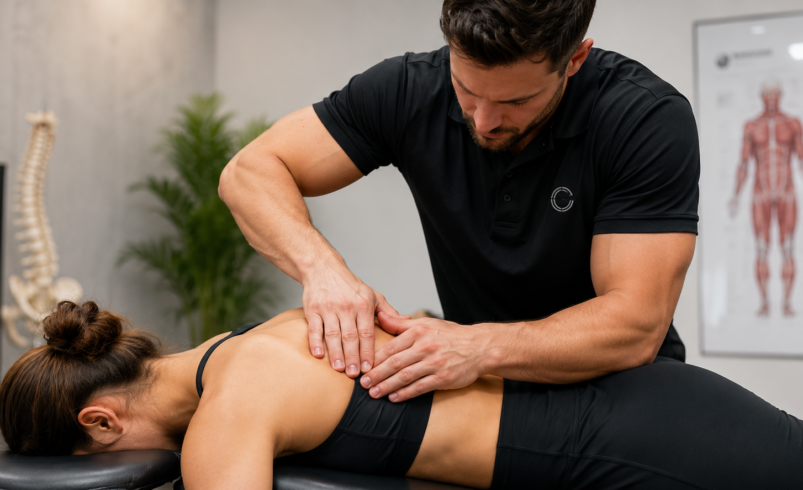

Muscle Adhesions can make everyday movement uncomfortable without many people realizing what is causing the problem. They often develop slowly and may start as mild stiffness or tightness. Over time, they can lead to pain, reduced flexibility, and difficulty doing normal daily activities or exercise. If left untreated, they may affect the way your muscles move and work together.
Learning about Muscle Adhesions is the first step toward managing them effectively. By understanding what they are, why they happen, and how they can be treated, you can make better choices for your muscle health. Whether you are active in sports, spend long hours sitting at work, or are recovering from an injury, knowing how to care for your muscles can help you stay comfortable and mobile.
What Are Muscle Adhesions?
Muscle Adhesions are areas where muscle tissue and the surrounding connective tissue become stuck together. Healthy muscles are designed to move smoothly, allowing your body to bend, stretch, and perform different movements with ease. When scar tissue develops, these tissues can lose their natural movement, making the muscles feel tight and restricted.
As a result, Muscle Adhesions can make movement painful and reduce the flexibility of the affected area. In some cases, they can also place extra stress on nearby muscles and joints.
How Do Muscle Adhesions Develop?
The body naturally repairs damaged muscles after an injury. During this healing process, new collagen fibers are produced to repair the damaged tissue. Sometimes these fibers do not form in an organized way, creating scar tissue that sticks to nearby muscles or connective tissues.
There are several reasons why this can happen.
Muscle Injuries
Pulled muscles, strains, and small tears often heal with scar tissue. Without proper recovery, this scar tissue can turn into Muscle Adhesions.
Repetitive Activities
Doing the same movement repeatedly at work or during sports can place continuous stress on muscles. Small injuries may build up over time and eventually lead to adhesions.
Poor Posture
Sitting with poor posture for long hours can keep certain muscles under constant tension, increasing the chance of developing Muscle Adhesions.
Surgery
After an operation, scar tissue naturally forms during healing. Sometimes this tissue extends into nearby muscles, creating movement restrictions.
Lack of Physical Activity
Remaining inactive for long periods after an injury allows scar tissue to become stiff, making Muscle Adhesions more likely.
Overuse During Exercise
Training too hard without giving your muscles enough time to recover can lead to repeated muscle damage and scar tissue formation.
Common Symptoms of Muscle Adhesions
The symptoms depend on where the adhesion develops and how severe it becomes. Some people notice only mild tightness, while others experience ongoing pain that affects daily life.
Common symptoms include:
- Muscle stiffness
- Pain when moving
- Tender areas in the muscle
- Reduced flexibility
- Limited range of motion
- Muscle weakness
- Tightness after resting
- Discomfort during exercise
The pain may improve slightly after gentle movement but often returns during or after physical activity.
What Causes Muscle Adhesions?
Several factors can increase the risk of developing Muscle Adhesions.
These include:
- Sports injuries
- Muscle strains
- Falls or direct impact
- Repetitive work
- Poor flexibility
- Incorrect exercise techniques
- Muscle imbalance
- Not warming up before exercise
- Poor recovery after workouts
- Scar tissue after surgery
- Long periods of sitting
- Ongoing muscle inflammation
Often, more than one factor contributes to the problem.
Who Is More Likely to Develop Muscle Adhesions?
Anyone can develop Muscle Adhesions, but some people have a higher risk.
This includes:
- Athletes
- Runners
- Weightlifters
- Office workers
- Healthcare workers
- Construction workers
- Older adults
- People recovering from surgery
- Individuals with previous muscle injuries
Knowing your risk can help you take steps to prevent future problems.
How Are Muscle Adhesions Diagnosed?
A healthcare professional usually begins by asking about your symptoms and medical history. They will also examine the affected area to check muscle movement, flexibility, and tenderness.
During the examination, they may evaluate:
- Muscle strength
- Joint movement
- Flexibility
- Pain during movement
- Muscle tightness
- Daily movement patterns
Sometimes imaging tests are used to rule out other conditions, but many Muscle Adhesions can be identified through a physical examination.
Can Muscle Adhesions Go Away Without Treatment?
Very small Muscle Adhesions may improve naturally as the body continues healing and normal movement returns.
However, larger or older adhesions often need proper treatment. Without care, scar tissue may continue limiting movement and causing pain.
Ignoring the condition may lead to:
- Ongoing discomfort
- Reduced flexibility
- Poor muscle function
- Higher chance of repeated injuries
- Difficulty with exercise and daily activities
Early treatment often provides the best results.
Treatment Options for Muscle Adhesions
There are several ways to reduce pain and improve muscle movement.
Manual Therapy
Hands-on treatment helps improve tissue movement by reducing tightness in muscles and connective tissue.
This may include:
- Soft tissue therapy
- Deep tissue massage
- Trigger point therapy
- Myofascial release
These treatments can improve circulation and help muscles move more freely.
Stretching Exercises
Regular stretching helps improve flexibility and reduces stiffness caused by Muscle Adhesions.
It is important to stretch gently and avoid forcing painful movements.
Strength Training
Building muscle strength helps improve balance throughout the body and reduces extra pressure on injured muscles.
Physical Therapy
A physical therapist may create a personalized recovery program that includes stretching, strengthening, mobility exercises, and movement training.
Heat Therapy
Warm packs or heating pads may help relax tight muscles before stretching or exercise.
Cold Therapy
Cold packs may help reduce soreness after physical activity or during periods of increased discomfort.
Dry Needling
Some healthcare providers use dry needling to reduce muscle tightness and improve movement.
Instrument-Assisted Therapy
Special tools can be used to gently work on scar tissue and improve tissue flexibility.
Exercises That May Help
Regular movement is one of the best ways to improve Muscle Adhesions.
Depending on the affected muscle, helpful exercises may include:
- Gentle stretching
- Shoulder mobility exercises
- Hip mobility exercises
- Foam rolling
- Core strengthening
- Hamstring stretches
- Calf stretches
Exercises should always be performed carefully and increased gradually over time.
How Long Does Recovery Take?
Recovery depends on several factors, including the size of the adhesion, your age, activity level, and how long the condition has been present.
Some people notice improvement within a few weeks, while others need several months of regular treatment and exercise.
Following a consistent recovery plan usually leads to better results.
Tips to Prevent Muscle Adhesions
- Preventing Muscle Adhesions is often easier than treating them.
- Simple habits that can help include:
- Maintain good posture throughout the day.
- Warm up before exercise and cool down afterward.
- Stretch regularly to keep muscles flexible.
- Avoid sitting in one position for long periods.
- Stay active with regular physical movement.
- Allow enough time for recovery after intense workouts.
- Drink enough water to support healthy muscle function.
- Treat muscle injuries early instead of waiting for them to become worse.
When Should You See a Professional?
You should seek professional advice if your symptoms continue for several weeks or begin affecting your daily life.
It is especially important to get evaluated if you notice ongoing pain, increasing stiffness, muscle weakness, or repeated injuries. Early treatment often helps prevent long-term movement problems and speeds up recovery.
Common Myths About Muscle Adhesions
Many people have misunderstandings about Muscle Adhesions.
One common myth is that they only affect athletes. In reality, office workers and people with inactive lifestyles can develop them as well.
Another myth is that complete rest is the best solution. While short periods of rest can help after an injury, staying inactive for too long may actually make muscles stiffer.
Some people also believe stretching once or twice will remove Muscle Adhesions. Improving muscle flexibility usually takes regular stretching and consistent movement over time.
Finally, many think surgery is the only treatment option. Most Muscle Adhesions can be managed successfully with non-surgical treatments such as therapy, exercise, and manual care.
Why Early Care Matters
Treating Muscle Adhesions early can prevent them from becoming a long-term problem.
Early care offers several benefits, including improved flexibility, better muscle movement, less pain, and a lower chance of future injuries. It also helps people return to normal activities more comfortably.
Living Well with Muscle Adhesions
Many people continue enjoying an active lifestyle while recovering from Muscle Adhesions. The key is to stay active without putting too much strain on the affected muscles.
Healthy habits such as regular stretching, balanced exercise, good posture, quality sleep, and proper recovery all support healthy muscles. Listening to your body and avoiding overuse can also help prevent new adhesions from forming.
Final Thoughts
Muscle Adhesions are a common cause of pain, tightness, and limited movement, but they can often be managed successfully with the right approach. Understanding how they develop, recognizing the symptoms early, and following proper treatment can help improve flexibility and reduce discomfort over time.
If your symptoms continue or begin affecting your daily routine, it is a good idea to seek professional care. Experienced Chiropractors San Francisco CA can assess muscle tightness, identify movement restrictions, and recommend a treatment plan that supports recovery and long-term muscle health.
With regular movement, proper exercise, healthy recovery habits, and timely care, most people can manage Muscle Adhesions effectively and enjoy better mobility, improved comfort, and a more active lifestyle.