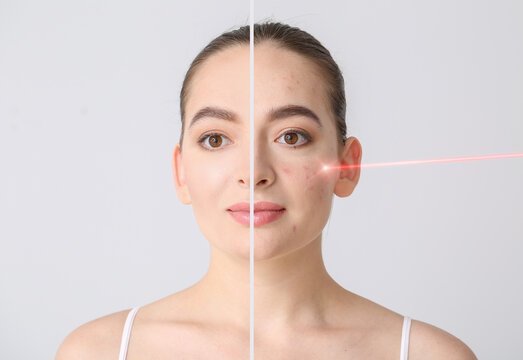

Acne is one of the most common skin concerns, affecting people of different ages and skin types. It can begin with occasional pimples and develop into persistent breakouts that affect skin texture, appearance, and confidence. Although acne is frequently associated with adolescence, adults can also experience recurring blemishes, clogged pores, inflammation, and deeper skin lesions. Understanding the causes of acne and choosing suitable treatment options can help individuals manage their skin concerns more effectively.
With growing awareness of dermatological care, Acne Treatment in Riyadh has become an important topic for individuals looking to improve their skin health. Modern skincare approaches focus on identifying the underlying causes of acne and selecting treatments according to its severity, type, and individual skin characteristics. From early breakouts to persistent inflammatory acne, appropriate care can help reduce blemishes and support healthier-looking skin.
Understanding Acne and Why It Develops
Acne develops when hair follicles become clogged with excess oil, dead skin cells, and other impurities. These blockages can encourage bacterial growth and inflammation, resulting in different types of blemishes. Acne commonly appears on the face, forehead, cheeks, chin, chest, and back.
Sebum, the natural oil produced by sebaceous glands, plays an important role in maintaining skin moisture. However, excessive sebum production can contribute to clogged pores, especially when combined with dead skin cells. Hormonal changes, genetics, environmental factors, and certain skincare habits can also influence acne development.
The severity of acne varies from person to person. Some individuals experience occasional whiteheads and blackheads, while others develop painful inflammatory lesions that may require professional dermatological attention.
Different Types of Acne and Their Characteristics
Understanding the type of acne is an important part of selecting an appropriate treatment approach. Different blemishes develop through different processes, and their management may require specific skincare products or medical treatments.
Whiteheads and Blackheads
Whiteheads and blackheads are classified as comedonal acne. They develop when pores become blocked by oil and dead skin cells.
Whiteheads form when clogged pores remain closed beneath the skin’s surface. Blackheads develop when the opening of a clogged pore remains exposed to air, causing the material inside to darken through oxidation.
These forms of acne are generally considered mild, although they can become persistent without suitable skincare. Dermatologists may recommend topical retinoids, salicylic acid, or other ingredients that help keep pores clear.
Papules and Pustules
Papules are small, raised, inflamed bumps that may appear red or irritated. Pustules are similar but contain visible pus near the surface.
These blemishes can develop when clogged follicles become inflamed. Picking or squeezing them may increase irritation and raise the risk of post-inflammatory marks.
Treatment may involve topical ingredients such as benzoyl peroxide, azelaic acid, or prescription medications, depending on the severity and individual skin requirements.
Nodular and Cystic Acne
Nodular and cystic acne are more severe forms of inflammatory acne. They often develop deeper within the skin and can cause painful, swollen lesions.
These forms of acne may increase the likelihood of permanent scarring, particularly when inflammation continues for an extended period. Professional assessment is important because ordinary over-the-counter skincare products may not provide sufficient improvement.
Common Causes of Early Breakouts
Early acne breakouts can occur because of several internal and external factors. Identifying possible triggers can help individuals make better skincare decisions and avoid habits that may worsen their condition.
Hormonal Changes
Hormones influence the activity of sebaceous glands and can increase oil production. Puberty, menstrual cycles, pregnancy, and certain hormonal conditions may contribute to acne development.
Androgens are particularly important because they can stimulate oil glands, making pores more likely to become clogged. Hormonal acne frequently appears around the chin, jawline, and lower cheeks, although it can affect other areas.
Excess Oil Production
Naturally oily skin may be more susceptible to clogged pores and breakouts. When excess sebum combines with dead skin cells, it can create an environment where acne develops more easily.
Using excessively harsh cleansers to remove oil may damage the skin barrier and increase irritation. A gentle cleansing routine is generally more appropriate than repeatedly stripping the skin of its natural oils.
Skincare and Cosmetic Products
Certain cosmetic and skincare products may contribute to clogged pores, particularly when they contain ingredients unsuitable for acne-prone skin.
Heavy moisturizers, makeup, hair products, and sunscreen formulations may worsen breakouts in some individuals. Choosing products labelled non-comedogenic can help reduce the likelihood of pore blockage.
Acne Treatment in Riyadh: Understanding Available Options
The appropriate treatment depends on the type of acne, its severity, previous treatment history, and the individual’s skin condition. A dermatologist may recommend one treatment or combine several approaches to address different aspects of acne.
Topical Acne Treatments
Topical treatments are commonly recommended for mild and moderate acne. They are applied directly to the affected areas and help manage clogged pores, inflammation, and acne-causing bacteria.
Retinoids, benzoyl peroxide, salicylic acid, and azelaic acid are among the ingredients frequently used in acne management.
Topical retinoids help regulate skin cell turnover and prevent clogged pores. Benzoyl peroxide reduces acne-associated bacteria and inflammation, while salicylic acid helps exfoliate the inside of pores.
The correct product and application frequency depend on skin sensitivity and acne severity. Some ingredients can initially cause dryness, redness, or irritation, so gradual introduction may be necessary.
Oral Medications for Persistent Acne
When acne is widespread, inflammatory, or resistant to topical products, dermatologists may consider oral medications.
Depending on the individual’s circumstances, these may include certain antibiotics, hormonal treatments, or isotretinoin for severe acne. Each medication has specific indications, precautions, and potential side effects.
For example, isotretinoin is generally reserved for severe or treatment-resistant acne and requires medical supervision because of its significant safety considerations. It is highly teratogenic, meaning it can cause serious birth defects if taken during pregnancy.
A dermatologist evaluates medical history and individual risk factors before recommending systemic medication.
Chemical Peels for Acne-Prone Skin
Chemical peels involve applying controlled exfoliating solutions to the skin to improve surface texture and address certain acne-related concerns.
Ingredients such as salicylic acid and glycolic acid may help remove accumulated dead skin cells and improve the appearance of clogged pores.
Depending on the formulation and treatment depth, chemical peels may also help improve uneven skin texture and mild post-acne discoloration.
However, chemical peels are not suitable for everyone. Skin sensitivity, active inflammation, and the risk of pigmentation changes must be considered before treatment.
Laser and Light-Based Treatments
Certain laser and light-based procedures may be used as additional options for managing acne. These technologies target different skin structures and may help reduce inflammation or improve selected acne-related concerns.
Blue light treatments are designed to target acne-associated bacteria, while some other light-based technologies focus on inflammation and oil gland activity.
Results vary according to the device, treatment protocol, and acne severity. These procedures may complement traditional medical treatments but should not automatically replace established acne therapies.
Managing Acne Scars and Post-Acne Marks
Even after active acne improves, some individuals continue to experience visible marks or changes in skin texture. These concerns can include dark spots, redness, and depressed or raised scars.
Understanding the difference between acne marks and permanent scars is important because they require different treatment approaches.
Post-Inflammatory Hyperpigmentation
Post-inflammatory hyperpigmentation refers to dark spots that remain after an acne lesion heals. It is particularly noticeable in individuals with darker skin tones and may become more pronounced following skin irritation or picking.
Dermatologists may recommend ingredients such as azelaic acid, retinoids, or other pigment-targeting treatments to improve uneven skin tone.
Daily sunscreen use is essential because ultraviolet exposure can make existing dark marks more noticeable and prolong their appearance.
Atrophic and Raised Acne Scars
Atrophic scars appear as depressions in the skin and develop when inflammation damages collagen during the healing process. They include ice-pick, boxcar, and rolling scars.
Raised scars develop when excessive scar tissue forms during healing.
Depending on the scar type, treatment options may include microneedling, subcision, laser resurfacing, chemical reconstruction techniques, or other dermatological procedures.
A professional assessment helps determine which approach is suitable because different scar patterns respond differently to treatment.
How to Build an Effective Daily Skincare Routine
A consistent skincare routine supports acne management and helps maintain the skin barrier. Although skincare products cannot address every underlying cause of acne, appropriate daily habits can reduce irritation and complement professional treatments.
Gentle Cleansing
Cleansing helps remove excess oil, sweat, makeup, and environmental impurities. Individuals with acne-prone skin should generally choose a gentle, non-comedogenic cleanser.
Washing the face twice daily is usually sufficient for most people. Excessive washing and aggressive scrubbing can irritate the skin and worsen inflammation.
Moisturizing the Skin
Moisturizing is important even for individuals with oily or acne-prone skin. Acne treatments can cause dryness, peeling, and sensitivity, making hydration particularly important.
Lightweight, fragrance-free, non-comedogenic moisturizers can help maintain the skin barrier without unnecessarily contributing to clogged pores.
Applying Sunscreen
Daily sunscreen protects the skin against ultraviolet radiation and helps prevent acne-related dark marks from becoming more noticeable.
A broad-spectrum sunscreen with SPF 30 or higher is generally recommended. Individuals using retinoids or exfoliating treatments should be particularly attentive to sun protection.
Lifestyle Habits That May Influence Acne
Lifestyle factors do not directly explain every acne case, but certain habits may influence skin health and the frequency of breakouts.
A balanced diet containing vegetables, fruits, whole grains, and appropriate protein sources supports general health. Some research suggests that high-glycemic diets and certain dairy products may worsen acne in susceptible individuals, although dietary effects vary.
Adequate sleep and stress management may also support overall skin health. Stress can influence hormonal activity and inflammatory responses, potentially aggravating existing acne.
Regularly changing pillowcases, cleaning makeup brushes, and avoiding unnecessary contact with the face are practical habits that can help maintain skin hygiene.
When Should You Seek Professional Acne Treatment?
Occasional mild breakouts may improve with appropriate over-the-counter skincare. However, professional assessment becomes important when acne is painful, persistent, widespread, or associated with scarring.
Individuals should consider consulting a dermatologist when breakouts continue despite consistent skincare, when deep nodules develop, or when acne significantly affects emotional well-being.
Early treatment can help control inflammation and reduce the likelihood of long-term scarring. A dermatologist can also identify whether acne-like symptoms are associated with another skin condition.
What to Expect During an Acne Treatment Journey
Acne management generally requires patience because improvements do not happen immediately. Many topical treatments need approximately six to eight weeks before noticeable changes become apparent, while more significant improvement may take several months.
The initial consultation usually involves examining the affected areas, discussing medical history, identifying possible triggers, and evaluating acne severity.
Based on these findings, a treatment plan may include topical medications, oral prescriptions, professional procedures, or a combination of approaches.
Follow-up appointments allow the dermatologist to monitor progress, identify side effects, and make adjustments when necessary. Maintaining consistency is important because stopping treatment too early may lead to recurring breakouts.
Conclusion
Acne can develop in different forms, ranging from occasional early breakouts to persistent inflammatory lesions that may cause long-term skin concerns. Understanding its causes, recognizing different acne types, and selecting suitable treatment options are important steps toward healthier-looking skin.
Modern Acne Treatment in Riyadh focuses on individualized care, combining appropriate skincare, medical therapies, and professional procedures according to specific skin requirements. Individuals exploring Acne Treatment in Saudi Arabia should prioritize professional assessment, realistic expectations, and consistent aftercare rather than relying on quick solutions. With proper guidance and a suitable treatment plan, many people can achieve better acne control and improve their overall skin appearance. Enfield Royal Clinic Saudi is one of the names individuals may explore when researching professional skincare and acne treatment options in Saudi Arabia.
Frequently Asked Questions
1. What Is the Most Effective Acne Treatment in Riyadh?
The most effective treatment depends on acne severity, skin type, and underlying causes. Options may include topical retinoids, benzoyl peroxide, prescription medications, chemical peels, and selected light-based procedures. A dermatologist can recommend an appropriate approach following a skin assessment.
2. How Long Does Acne Treatment Take to Show Results?
Many acne treatments require six to eight weeks before noticeable improvement occurs. More persistent or severe acne may need several months of consistent treatment. Results depend on the selected treatment, individual skin response, and acne severity.
3. Can Acne Be Treated Permanently?
Acne can often be controlled effectively, but there is no guarantee that it will never return. Hormonal changes, genetics, and other factors may contribute to future breakouts. Maintenance skincare and appropriate medical treatment can help manage recurring acne.
4. Is Acne Treatment in Saudi Arabia Suitable for Sensitive Skin?
Yes, individuals with sensitive skin can receive acne treatment, but their skin characteristics must be considered. Dermatologists may recommend gentler formulations, lower concentrations, and gradual treatment schedules to minimize irritation.
5. Which Treatments Help Reduce Acne Scars?
Treatment options depend on scar type and severity. Microneedling, laser resurfacing, subcision, and selected chemical procedures may help improve depressed scars. Dark acne marks may respond to topical ingredients and sun protection.
6. Can I Prevent Acne From Coming Back After Treatment?
Although acne recurrence cannot always be prevented, maintaining a consistent skincare routine can help reduce future breakouts. Gentle cleansing, non-comedogenic products, regular sunscreen use, and dermatologist-recommended maintenance treatments can support long-term acne management.