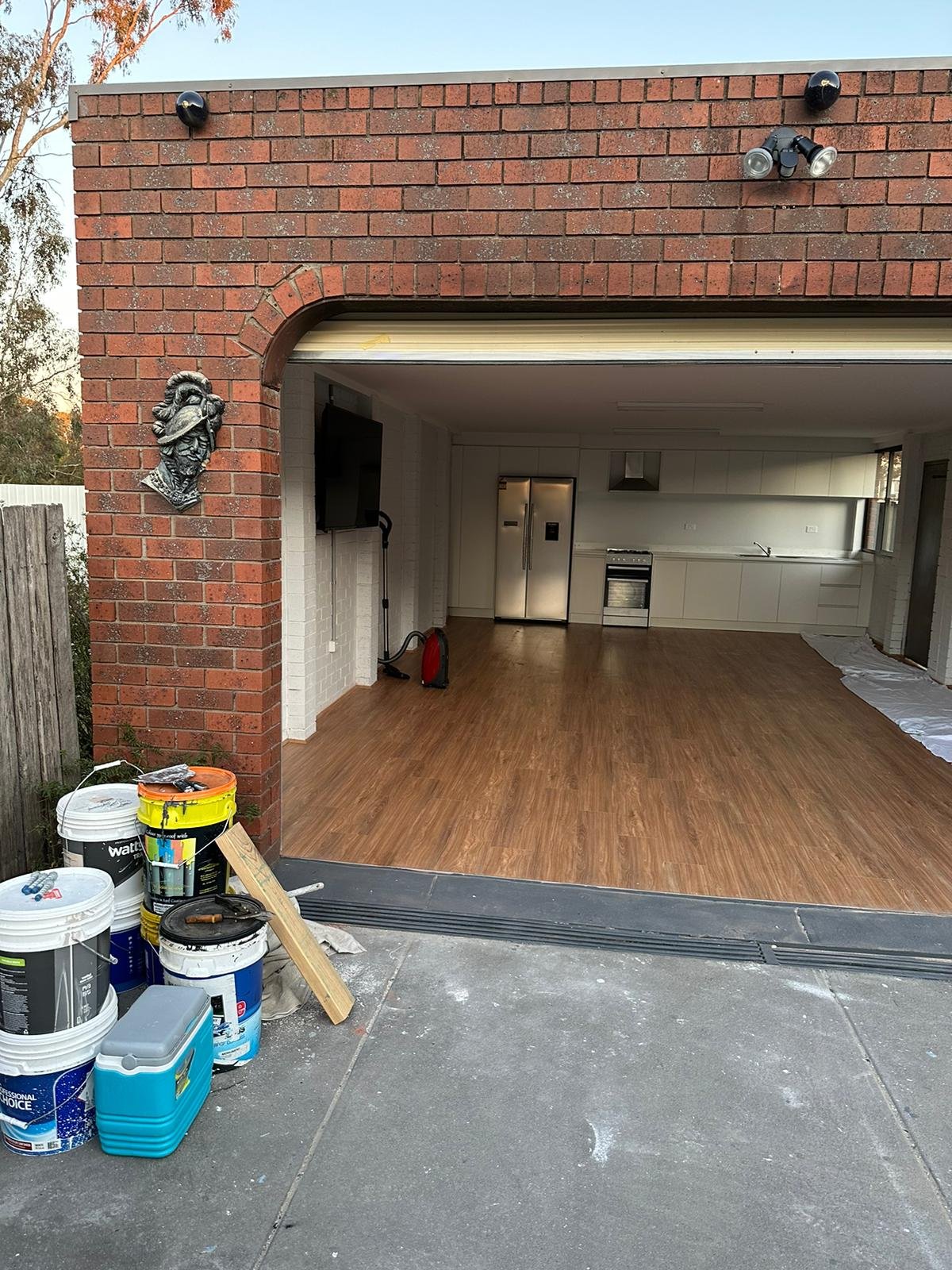



Property auctions have become an established way to buy and sell different types of property in the UK. They can offer a structured alternative to the traditional estate agency process.
An advanced property auction may involve more detailed procedures, online bidding, specialist properties, or additional legal requirements. Understanding the process is important before making financial decisions.
Whether you are a first-time buyer, investor, landlord, or property owner, preparation can make the auction process easier.
What Is an Advanced Property Auction?
An advanced property auction refers to an auction process that involves more detailed arrangements than a straightforward property sale.
The term can describe auctions involving unusual properties, specialist bidding processes, complex legal conditions, or properties requiring additional research.
Properties sold through auctions can include:
- Residential houses
- Flats and apartments
- Commercial buildings
- Development opportunities
- Land
- Mixed-use properties
- Repossessed properties
- Properties requiring renovation
The exact auction rules depend on the auctioneer and the individual sale.
How Does a Property Auction Work?
The auction process usually begins with the property being advertised.
Potential buyers can review the property details and arrange a viewing where available.
A legal pack may also be provided before bidding begins.
Property Marketing
The auctioneer publishes information about the property.
This can include photographs, descriptions, location details, guide price and auction dates.
Buyers should treat the guide price as an indication rather than a guaranteed final selling price.
Property Viewings
A viewing allows buyers to inspect the property’s condition.
This is particularly important for properties requiring repairs or renovation.
Buyers should look beyond cosmetic features and consider potential structural or maintenance issues.
Legal Pack
The legal pack contains important documents relating to the property.
Depending on the property, it may include:
- Title information
- Special conditions of sale
- Property searches
- Lease details
- Tenancy information
- Planning documents
- Relevant legal correspondence
Buyers should read the legal pack carefully before bidding.
What Is a Guide Price?
A guide price provides an indication of the amount a property may sell for at auction.
It is not necessarily the final sale price.
Competition between bidders can cause the final price to rise above the guide price.
Buyers should therefore establish their maximum budget before entering an auction.
What Is a Reserve Price?
The reserve price is the minimum amount acceptable to the seller, subject to the auction’s terms.
It may be higher than the advertised guide price.
If bidding does not reach the reserve, the property may not sell at auction.
Understanding the difference between guide price and reserve price is important for new buyers.
Online Property Auctions
Many UK auctions now use online bidding platforms.
Online auctions can allow buyers to participate without attending a physical auction room.
The bidding period may remain open for a set period. Some auctions also use automatic extensions when bids are placed near closing time.
Buyers should understand the platform’s rules before bidding.
Traditional Property Auctions
Traditional auctions usually take place at a scheduled date and time.
Bidders compete against each other until bidding ends.
When the auctioneer accepts the winning bid and the property reaches the required conditions, the sale can become legally binding.
The exact contract arrangements depend on the auction terms.
What Should Buyers Check Before Bidding?
Auction purchases require careful preparation.
Inspect the Property
Visit the property where possible.
Look for visible defects, damp, roof problems, structural concerns and other maintenance issues.
Read the Legal Pack
Do not rely only on photographs or the property description.
The legal documents can contain important conditions affecting the purchase.
Check Planning Information
For properties with development potential, planning history can be particularly important.
Never assume that planning permission will automatically be granted.
Arrange Finance
Buyers should understand how they will fund the purchase before bidding.
Mortgage buyers should confirm that the property is suitable for their proposed finance.
Auction completion deadlines can be shorter than traditional property transactions.
What Costs Are Involved?
The winning bid is not always the only cost.
Depending on the auction terms, buyers may need to consider:
- Auction fees
- Buyer’s premiums
- Legal fees
- Survey costs
- Stamp Duty Land Tax
- Mortgage costs
- Valuation fees
- Renovation expenses
- Insurance
- Removal costs
The special conditions of sale should be checked carefully for additional charges.
What Happens After Winning a Property?
The process after winning depends on the type of auction.
In a traditional auction, the buyer may exchange contracts immediately after the successful bid.
A deposit is usually required according to the auction conditions.
Completion then takes place within the specified timeframe.
Online auctions can operate under different contract arrangements, so buyers must understand the terms before bidding.
Why Do Sellers Use Property Auctions?
Auctions can be suitable for certain types of property.
They may be considered when a seller wants a structured sale process or when the property is unusual.
Auction properties can include homes needing significant work, vacant buildings, investment properties and land.
However, an auction is not automatically suitable for every property.
The seller should understand the fees, timescales and legal requirements before choosing this route.
Advantages of Buying at Property Auction
There can be several potential advantages for buyers.
Clear Bidding Process
Buyers can see competing bids and understand how the price develops.
Different Types of Property
Auctions often include properties that may not follow a standard residential sales route.
Defined Timescales
Auction sales can have clear deadlines for contracts and completion.
Investment Opportunities
Some buyers use auctions to find properties requiring renovation or development.
However, potential opportunities should always be assessed against the associated risks and costs.
Risks of Property Auctions
Auction purchases can involve significant financial risks.
A buyer may discover unexpected repair costs after purchasing a property.
Legal conditions can also create obligations that are not obvious from the property advertisement.
There may also be strict completion deadlines.
For these reasons, buyers should complete their research before placing a bid.
Common Mistakes to Avoid
Bidding Without Reading the Legal Pack
This can lead to unexpected legal or financial obligations.
Going Above Your Budget
Auction competition can encourage emotional bidding.
Set a maximum amount before the auction starts and stick to it.
Ignoring Renovation Costs
A low purchase price does not necessarily mean a low total investment.
Calculate expected repair and improvement costs before bidding.
Assuming the Guide Price Is the Final Price
The final selling price can be significantly different from the guide price.
Failing to Arrange Finance
Auction deadlines can make funding problems particularly serious.
Always understand your available funds before bidding.
Is Property Auction Suitable for First-Time Buyers?
First-time buyers can purchase properties through auctions, but preparation is especially important.
New buyers should understand auction terminology, legal documents, fees and completion requirements.
Professional advice from a solicitor, surveyor or mortgage adviser can be useful when appropriate.
Taking time to understand the process can reduce avoidable mistakes.
Conclusion
An advanced property auction can involve more detailed procedures than a conventional property sale.
Buyers need to understand bidding rules, legal documents, fees, finance and completion deadlines before participating.
Sellers should also consider whether auction is suitable for their property and circumstances.
Good preparation remains one of the most important parts of successful property auction participation in the UK.