
Commercial buildings are designed to withstand changing weather conditions, temperature fluctuations, and natural structural movement. However, when expansion joints are incorrectly installed or poorly maintained, they can become a source of water leaks, sealant damage, and expensive repairs. Proper joint preparation and professional caulking are essential for protecting commercial properties over the long term.
Understanding the Importance of Expansion Joints
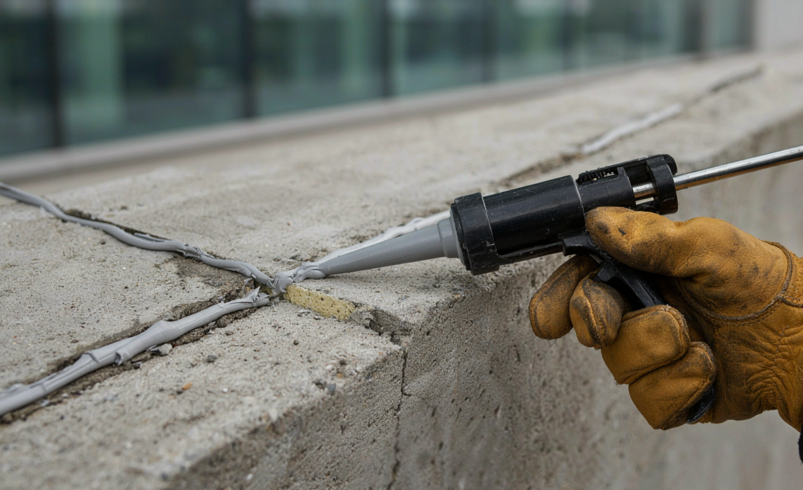
Expansion joints allow building materials, including concrete slabs and walls, to expand and contract as temperatures and environmental conditions change. These joints help accommodate movement and reduce stress on surrounding materials. Professional Commercial Caulking Sydney services help ensure these joints are properly sealed and protected.
In commercial construction, expansion joints are commonly found in floors, façades, walls, podiums, and other structural interfaces. Their performance depends on appropriate joint design, compatible materials, and correct installation techniques.
When these details are overlooked, sealants may crack, separate from surfaces, or lose their ability to prevent moisture penetration, potentially leading to costly repairs and long-term building damage.
Common Causes of Expansion Joint Failure
Several installation mistakes can compromise expansion joint performance.
- Incorrect Joint Filler Installation
Materials such as Abelflex are used in expansion joints to provide compressible filling and support the sealant system. If the filler is installed incorrectly, the joint may not have the appropriate depth or recess for effective sealing.
- Poor Surface Preparation
Dust, moisture, grease, and loose debris can interfere with sealant adhesion. Before applying caulking, installers should ensure that the joint surfaces are properly cleaned and prepared according to the sealant manufacturer’s requirements.
- Incorrect Sealant Depth
Sealant must be applied at an appropriate depth and width to accommodate the expected movement. Where required, backing rods or bond breakers help prevent unwanted adhesion to the base of the joint, allowing the sealant to move more effectively.
- Unsuitable Sealant Selection
Different construction materials and environmental conditions require different sealant properties. Choosing an incompatible product can contribute to premature deterioration, cracking, or adhesion failure.
Why Professional Commercial Caulking Matters
Commercial caulking is more than a finishing detail. Properly installed sealants help protect buildings against water ingress, air leakage, and environmental exposure while accommodating normal movement between adjoining materials.
For property owners, builders, and facility managers, addressing joint problems early can help reduce maintenance costs and minimise disruption to building operations.
Professional contractors assess the condition of the joint, identify potential installation issues, remove failed sealant where necessary, and prepare the surfaces before installing a suitable replacement system.
Signs That Expansion Joints Need Attention
Regular inspections can help identify developing problems before they lead to more extensive damage. Common warning signs include:
- Cracked, brittle, or shrinking sealant.
- Sealant separating from concrete, metal, or other adjoining surfaces.
- Water stains or damp patches near sealed joints.
- Visible gaps around façades, windows, floors, or external walls.
- Repeated leaks despite previous sealing work.
These symptoms should be assessed to determine their underlying cause. Simply applying another layer of sealant over damaged material may not provide a reliable long-term solution.
Choosing the Right Commercial Caulking Contractor in Sydney
Selecting an experienced contractor is an important part of maintaining commercial buildings. Look for a team that understands expansion joint requirements, sealant compatibility, surface preparation, and the movement expected in the building.
A suitable contractor should also follow project specifications and manufacturer recommendations, assess existing defects carefully, and recommend repairs that address the source of the problem rather than just its visible symptoms.
For commercial properties in Sydney, professional Commercial Caulking Sydney services can help maintain effective joint sealing, reduce the risk of moisture-related damage, and support the long-term performance of building façades and concrete structures.
Conclusion
Expansion joint failure can often be linked to incorrect installation, inadequate preparation, unsuitable sealants, or insufficient attention to joint design. Understanding these issues helps builders and property managers make informed maintenance decisions.
By prioritising correct installation, regular inspections, and professional remedial work, commercial property owners can protect their buildings and reduce the likelihood of recurring joint problems. Investing in quality caulking from the beginning can make a meaningful difference to a building’s durability and ongoing maintenance requirements.