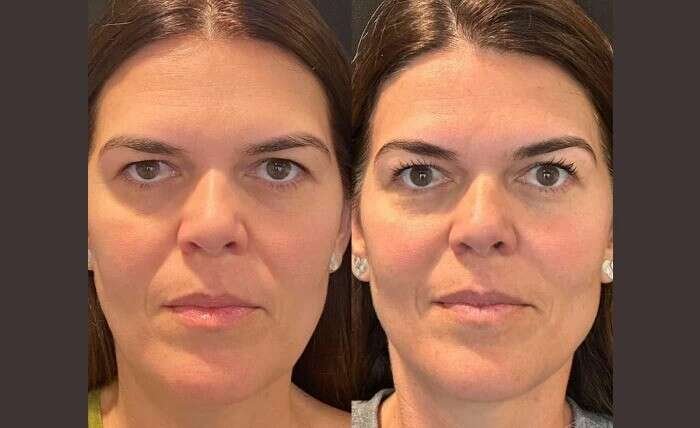


Skin concerns such as acne scars, uneven texture, enlarged pores, and fine lines can affect how smooth and healthy the skin looks. While skincare products can support everyday skin health, some concerns may need a more targeted approach derma roller treatment is one procedure used to create controlled micro-injuries in the skin, encouraging the natural healing process and supporting collagen production.
When performed appropriately, microneedling-based treatments can improve the appearance and texture of the skin over time. However, results depend on factors such as skin condition, treatment technique, needle depth, aftercare, and individual healing.
What Is Derma Roller Treatment?
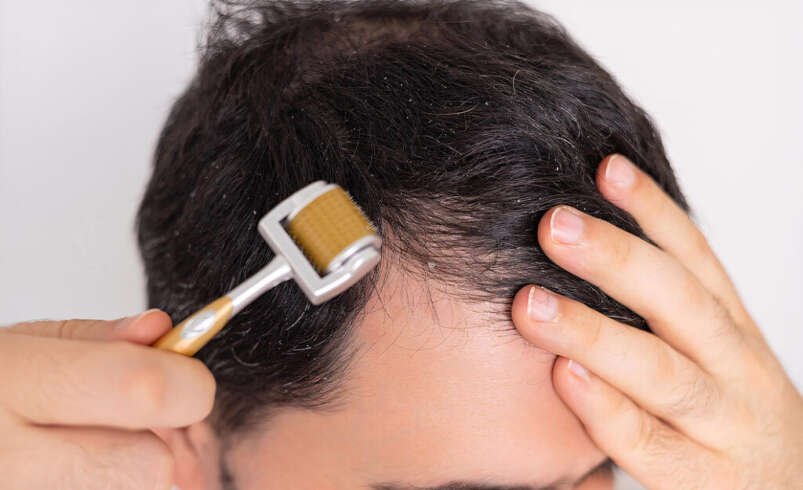
Derma roller treatment is a skin procedure that uses a handheld device covered with very fine needles. As the device passes over the skin, the needles create tiny, controlled punctures in the superficial layers.
These micro-injuries activate the body’s wound-healing response. As part of this process, the skin produces collagen and elastin, proteins that contribute to firmness, structure, and elasticity.
Professional treatment may be considered for concerns such as:
- Mild acne scars
- Uneven skin texture
- Fine lines and early signs of ageing
- Enlarged-looking pores
- Certain types of pigmentation concerns
- Overall skin smoothness
The procedure is sometimes discussed alongside microneedling, although the equipment and technique used can vary. Professional assessment is important because not every skin concern is suitable for the same approach.
How Does Derma Rolling Work?
The principle behind derma rolling is controlled stimulation rather than aggressive damage. The tiny needle channels created in the skin trigger a repair response, which can gradually support collagen remodeling.
The process generally involves three stages:
- Controlled stimulation: Fine needles create microscopic punctures in the skin.
- Healing response: The body responds by beginning its natural repair process.
- Remodeling: New collagen and other structural components develop gradually as the skin heals.
Because collagen remodeling takes time, improvements are usually not immediate. A series of professionally planned treatments may be recommended depending on the individual’s skin condition and goals.
What Happens During a Derma Roller Treatment?
The exact procedure can vary depending on the treatment area and the device being used. A professional session generally begins with an assessment and preparation of the skin.
1. Skin assessment
A qualified skincare or medical professional evaluates the skin, discusses concerns, and checks whether the procedure is appropriate. Existing skin conditions, active inflammation, medications, and previous treatments may all be relevant.
2. Cleansing and preparation
The treatment area is thoroughly cleansed. Depending on the procedure and sensitivity of the patient, a topical numbing product may be used to improve comfort.
3. Controlled needling
The professional moves the device systematically across the selected area. The needle depth and technique should be appropriate for the treatment objective and the individual’s skin.
4. Post-treatment care
After the procedure, the skin may appear red or feel warm and sensitive. The professional may recommend suitable soothing and protective skincare products and provide specific aftercare instructions.
Benefits of Derma Roller Treatment
The main purpose of professional skin needling is to stimulate the skin’s natural repair and collagen-remodeling processes. Depending on the individual’s condition, potential benefits may include:
Improved Skin Texture
Collagen remodeling can help create a smoother-looking skin surface. This may be useful for people concerned about roughness or uneven texture.
Reduction in the Appearance of Acne Scars
Microneedling techniques may help improve the appearance of certain depressed acne scars by encouraging collagen formation. However, scar type and depth matter, so professional evaluation is important.
Softer Appearance of Fine Lines
By stimulating collagen, treatment may support firmer-looking skin and soften the appearance of some fine lines over time.
More Even-Looking Skin
Some patients seek treatment because their skin appears uneven in texture or tone. A carefully selected treatment plan may help improve overall skin appearance, although pigmentation concerns may require a different or additional approach.
Minimal Downtime Compared With Some Procedures
Professional microneedling generally involves less downtime than many more invasive resurfacing procedures. Nevertheless, temporary redness, sensitivity, swelling, or mild peeling can occur.
Who May Be Suitable for Treatment?
Derma roller treatment may be considered by adults who want to address certain texture-related skin concerns without undergoing a more invasive procedure.
However, it is not suitable for everyone. Treatment may need to be postponed or avoided when there is an active skin infection, significant inflammation, open wound, or certain other skin or medical conditions.
A consultation is particularly important for people who:
- Have active acne or skin inflammation
- Develop raised scars easily
- Have a history of poor wound healing
- Are using certain medications that affect healing
- Recently underwent another cosmetic procedure
- Have an unexplained skin change they want to treat
A professional can determine whether needling is appropriate and whether another treatment would be more suitable.
Professional Treatment vs. At-Home Derma Rollers
At-home derma rollers are widely available, but they should not automatically be considered equivalent to professional microneedling.
Professional treatment allows the procedure to be planned around the patient’s skin condition, treatment area, and desired outcome. There is also greater control over hygiene, needle depth, technique, and post-treatment care.
Using a roller incorrectly at home can cause irritation, infection, prolonged inflammation, pigmentation changes, or scarring. Sharing a device is particularly unsafe because it can introduce infection.
For this reason, anyone considering deeper or corrective skin treatment should seek professional advice rather than attempting an aggressive procedure independently.
What Is the Recovery Like?
Recovery varies from person to person and depends partly on treatment intensity. Mild redness and sensitivity are common immediately after professional needling.
During the first few days, patients may notice:
- Redness
- Mild swelling
- Skin sensitivity
- Tightness
- Temporary dryness or flaking
These effects generally settle as the skin recovers. It is important not to judge the final result immediately because collagen remodeling continues after the initial healing period.
Derma Roller Aftercare: What Should You Do?
Good aftercare helps protect the skin while it is recovering.
Protect Your Skin From the Sun
Freshly treated skin can be more sensitive. Follow your professional’s advice about sun protection and avoid unnecessary direct sun exposure during the recovery period.
Keep Skincare Simple
Use the products recommended by your healthcare or skincare professional. Avoid introducing multiple active ingredients immediately after treatment unless they have specifically been approved for your skin.
Avoid Picking or Scratching
Peeling or dryness can occur during recovery. Allow the skin to heal naturally rather than picking at flakes or irritated areas.
Avoid Excessive Heat and Irritation
Depending on the treatment, you may be advised to avoid activities that cause significant heat, sweating, or irritation for a short period. Follow the specific aftercare instructions provided after your session.
Follow Professional Instructions
Aftercare should be personalized. The correct products and recovery period can vary according to treatment intensity and individual skin sensitivity.
How Many Sessions Are Needed?
There is no universal number of derma roller sessions that works for everyone. The required treatment plan depends on the concern being addressed, its severity, skin type, and how the skin responds.
Some people may notice gradual improvement after an initial treatment, while others may require multiple sessions spaced appropriately apart. A professional should determine the treatment interval rather than repeating sessions too frequently.
When Should You Expect Results?
Results develop gradually because the treatment relies partly on the body’s natural collagen-remodeling process. Initial changes may involve temporary improvements in skin appearance as redness settles, while longer-term texture changes can take several weeks or longer.
Consistency and realistic expectations are important. Derma rolling is not a way to completely erase scars or reverse ageing overnight.
At La Clinique Dubai, patients considering skin treatments can discuss their concerns with professionals who can assess the skin and explain whether a microneedling or related approach is appropriate.
Frequently Asked Questions
Is derma roller treatment painful?
Discomfort depends on the treatment area, needle depth, and individual sensitivity. Professional treatments may use a topical numbing product when appropriate to make the procedure more comfortable.
How long does redness last after derma rolling?
Mild redness can occur after treatment and often settles within a few days. The exact recovery period varies according to treatment intensity and individual skin response.
Can derma rolling remove acne scars completely?
No cosmetic procedure can guarantee complete removal of acne scars. Derma roller or microneedling treatment may improve the appearance of certain types of scars, but results depend on scar type, depth, skin characteristics, and the treatment plan.
Can I use skincare products immediately after treatment?
Not necessarily. Recently treated skin can be sensitive, so some active skincare ingredients may need to be avoided temporarily. Follow the specific product and aftercare recommendations provided by your treating professional.
Is professional treatment better than using a derma roller at home?
Professional treatment offers better control over technique, hygiene, treatment depth, and suitability. Home devices can cause skin injury or infection when used incorrectly, particularly when users attempt deeper treatment without professional guidance.
Conclusion
Derma roller treatment can be a useful option for improving the appearance of certain skin texture concerns, fine lines, and some acne scars by supporting the skin’s natural healing and collagen-remodeling processes. The safest approach is to begin with a professional assessment, maintain realistic expectations, and follow appropriate aftercare.
For people exploring skin rejuvenation options in Dubai, La Clinique Dubai can provide a professional setting to discuss individual skin concerns and understand which treatment approach may be appropriate.