
Introduction
Outdoor advertising remains a useful way for businesses to reach people in busy commercial areas, along major roads, and near shopping destinations. Traditionally, brands have relied on printed banners and static hoardings to communicate offers, promote products, and build brand awareness.
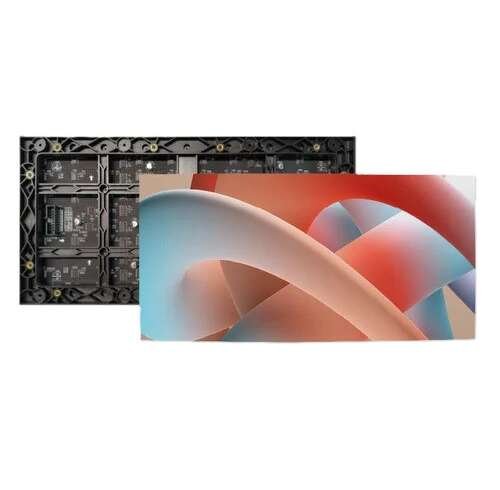
Digital billboards offer another option. Using LED display technology, they can present changing advertisements, promotional videos, and other visual content on an electronic screen.
For businesses planning an outdoor advertising campaign, the decision between digital billboards and traditional hoardings depends on campaign objectives, budget, location, content requirements, and expected advertising frequency.
This guide compares both options to help businesses make an informed decision.
1. What Is a Digital Billboard?
A digital billboard is an electronic advertising display that presents images, text, animations, or video content. LED-based digital billboards are commonly used in commercial districts, roadside locations, shopping areas, and other places where outdoor advertising can reach a relevant audience.
Their main advantage is the ability to change content electronically instead of replacing a printed advertisement every time a campaign changes.
Depending on the installation and advertising arrangement, businesses may use digital billboards to promote seasonal offers, new product launches, brand campaigns, or time-specific messages.
2. What Is a Traditional Hoarding?
A traditional hoarding is a large advertising structure that displays a printed banner, vinyl graphic, or other static creative.
It is commonly used for brand awareness, property launches, retail promotions, political campaigns, and public messaging.
Traditional hoardings can be effective when a business wants to communicate one consistent message over an extended period. However, changing the creative generally requires printing a replacement and arranging installation.
3. Digital Billboards vs. Traditional Hoardings: Key Differences
| Factor | Digital billboards | Traditional hoardings |
|---|---|---|
| Content changes | Electronic updates | Usually requires a new printed creative |
| Multiple advertisements | Can rotate several approved creatives | Usually displays one main creative at a time |
| Initial investment | LED hardware and installation can require substantial investment | Often lower for a single printed display, depending on location and structure |
| Ongoing expenses | Electricity, maintenance, and content management | Printing, installation, and replacement costs |
| Motion and animation | Can support motion or video within applicable rules | Primarily static visuals |
| Campaign flexibility | Suitable for frequent updates | Better suited to stable, long-running messages |
| Technical requirements | Requires power and electronic system maintenance | Requires structural upkeep and print condition checks |
| Best fit | Frequently changing campaigns and multiple messages | Simple campaigns with a consistent message |
Actual costs and performance vary by location, display size, advertising duration, and ownership or rental arrangement.
4. Which Option Offers Better Long-Term Value?
The answer depends on how often the advertisement changes and how the display is used.
A traditional hoarding may be the more economical choice for a business promoting one message over a long period. If the creative remains unchanged, the cost of digital hardware may not be justified.
A digital billboard may be more attractive when a business needs to rotate multiple campaigns, update prices frequently, or schedule different messages throughout the day.
For example, a retail brand could display a general brand message in the morning, a promotional offer later in the day, and a seasonal campaign during a specified period. A static hoarding would generally require separate printed creatives and physical replacement to achieve similar changes.
Businesses should compare the full cost of ownership or advertising rental, rather than assuming that either format is automatically cheaper.
5. Advertising Flexibility: The Biggest Practical Difference
Campaign flexibility is one of the clearest differences between the two formats.
Digital billboard content can often be updated remotely or through a connected control system, depending on the installation. This helps marketing teams respond to campaign changes without arranging a new print job for every update.
Digital displays can be useful for:
- Retail promotions and limited-time offers.
- Restaurant campaigns and changing menus.
- Product launches and event announcements.
- Real estate marketing.
- Brand campaigns involving several creatives.
- Time-sensitive information and scheduled messaging.
Traditional hoardings remain suitable when the message is unlikely to change and a static creative meets the campaign’s needs.
6. Visibility and Creative Design
Both formats depend heavily on location, viewing distance, traffic conditions, lighting, and creative quality.
Digital billboards can use illuminated visuals, color changes, and motion to attract attention. However, excessive animation, small text, or complicated designs may make an advertisement harder to understand at a glance.
Traditional hoardings can also be highly visible when they use strong contrast, concise copy, and clear branding.
For either format, effective creative design should include:
- A clear primary message.
- Large, readable text.
- Strong contrast between text and background.
- Recognizable brand elements.
- A simple call to action where appropriate.
- Content designed for the audience’s viewing distance.
The goal is not simply to display more information. It is to communicate the most important message quickly and clearly.
7. Maintenance and Operational Requirements
Digital billboards involve electronic components that need suitable installation, electrical protection, ventilation, and technical maintenance. Outdoor LED displays must also be appropriate for their exposure to dust, rain, sunlight, and changing temperatures.
Traditional hoardings do not require the same electronic infrastructure, but they still need inspections. Printed materials can fade, tear, or become damaged, while structures and mounting systems need appropriate upkeep.
Before investing in either option, businesses should assess:
- Installation and structural requirements.
- Electricity and operating expenses.
- Maintenance responsibilities.
- Repair and replacement arrangements.
- Applicable permits and advertising regulations.
- Expected campaign duration.
A reliable supplier should explain the technical requirements and service arrangements before installation.
8. Which Option Is Better for Businesses in Pakistan?
Businesses in Pakistan operate across different advertising environments, from busy urban roads to shopping centers, commercial plazas, and retail districts. The right advertising format depends on the location, target audience, and campaign objective.
A digital billboard may suit businesses that need frequently updated campaigns or want to run several messages on one display. A traditional hoarding may be a practical choice for a fixed campaign with a consistent message.
In Lahore, Karachi, Islamabad, Faisalabad, and other major commercial areas, advertisers should evaluate the specific site’s audience, visibility, permissions, and operating costs before committing to a format.
For digital billboard projects, it is also important to confirm screen specifications, viewing distance, brightness requirements, installation conditions, and maintenance support.
9. How to Choose the Right Advertising Solution
Before making a decision, answer these questions:
How frequently will the advertisement change? If updates are frequent, digital displays may offer greater convenience.
How many messages need to be displayed? Multiple campaigns may benefit from a screen that supports content rotation.
What is the available budget? Compare setup or rental costs, ongoing expenses, creative production, and maintenance.
Where will the advertisement be installed? Viewing distance, ambient light, local regulations, and environmental exposure affect the choice.
What is the main objective? Brand awareness, immediate promotions, product launches, and long-term visibility may require different creative approaches.
Who will manage the display? Digital campaigns need a clear process for uploading, scheduling, approving, and checking content.
Answering these questions makes it easier to select an advertising format based on business needs rather than appearance alone.
10. Why Work With an Experienced LED Display Provider?
Choosing a digital billboard involves more than selecting a screen. Businesses need an appropriate display configuration, suitable mounting, reliable power arrangements, correct installation, and a plan for maintenance.
An experienced provider can help evaluate the intended location and recommend a solution based on viewing distance, screen dimensions, operating conditions, and advertising goals.
PAK SMD SCREEN offers SMD and LED display solutions for businesses in Pakistan. Companies considering digital outdoor advertising can discuss their project requirements, intended installation site, and technical needs before choosing a display.
Conclusion
Digital billboards and traditional hoardings both have a place in outdoor advertising. Traditional hoardings can be effective for stable, long-term messages, while digital billboards offer greater flexibility for businesses that need to update or rotate advertising content.
The best choice depends on the campaign’s duration, total costs, location, creative requirements, and operational needs. By evaluating these factors before investing, businesses can select an advertising solution that supports their objectives.
Explore PAK SMD SCREEN to learn more about LED display solutions and discuss options for your next digital advertising project.