

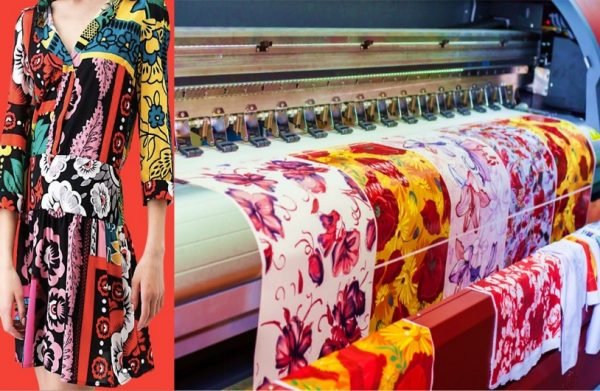

Digital printing on fabric is a textile printing method that transfers digital artwork directly onto fabric using specialized inkjet printers. The process can produce detailed patterns, photographs, gradients, logos, illustrations, and custom designs without preparing traditional printing screens. Instead of creating separate physical components for different colors, the printer reads a digital artwork file and applies controlled amounts of textile ink to the material.
The development of digital printing on fabric has made textile production more flexible for fashion brands, manufacturers, interior designers, and custom printing businesses. It is particularly useful for samples, personalized products, limited collections, and designs containing many colors or fine details. However, print quality depends on several factors, including fabric composition, ink chemistry, pretreatment, printer settings, fixation, and finishing.
What Is Digital Printing on Fabric?
fabric printing uses computer-controlled inkjet technology to apply color to textile material. Tiny droplets of specialized ink are deposited onto specific areas of the fabric according to instructions in the digital design.
Unlike screen printing, there is no need to create a separate physical screen for each color. This makes it easier to change designs and produce artwork containing complex color combinations.
Digital printing can be performed on many types of textiles, including cotton, polyester, silk, wool, viscose, linen, nylon, and blended fabrics. However, each material has different characteristics. The ink and printing process must therefore be selected according to the fiber type and intended use of the finished product.
How Does Digital Printing on Fabric Work?
1. Creating and Preparing the Design
The process begins with a digital artwork file. Designers may create patterns, photographs, logos, illustrations, or repeating motifs using graphic design software.
The resolution of the artwork matters. A low-resolution image may produce blurred edges or visible pixelation when printed at a large size. Designers should also confirm the required dimensions, pattern scale, and color settings before sending the file to production.
For repeating patterns, the design must be carefully constructed so that the edges connect without visible seams or interruptions.
2. Preparing the Fabric
Fabric preparation depends on the chosen printing system. The textile may need to be cleaned, dried, tensioned, or chemically pretreated.
Pretreatment can help control ink absorption and improve color development. It can also help prevent excessive spreading of ink, which may reduce the sharpness of fine details.
The fabric must be handled carefully because dust, oil, moisture, wrinkles, or uneven tension can affect the quality of the final print.
3. Applying the Ink
The prepared fabric moves through a digital textile printer. Print heads deposit very small droplets of ink onto the material while following the digital artwork.
The printer creates the image through controlled placement of different ink colors. Because the artwork is digital, changing a design generally involves loading a different file rather than preparing a new set of screens.
4. Fixing the Print
After printing, the ink often requires a fixation process to achieve the desired durability.
Reactive dyes used for cotton generally require steaming and washing. Pigment inks normally need heat curing to activate their binder. Disperse dyes used for polyester are typically fixed using controlled heat.
The exact conditions depend on the ink manufacturer’s specifications and the fabric being printed. Incorrect fixation can result in poor wash fastness, weak color, or surface problems.
5. Washing and Finishing
Some printed fabrics need washing after fixation. This can remove unfixed dyes and processing residues.
The textile may then be dried, pressed, softened, coated, or subjected to another finishing treatment. The final treatment depends on whether the fabric will be used for clothing, home décor, promotional products, or another purpose.
Types of Digital Textile Printing
Reactive Digital Printing
Reactive digital printing is mainly used for cotton and other cellulose-based fibers. The dye forms a chemical bond with suitable fibers during the fixation process.
When correctly processed, reactive printing can provide bright colors, good wash durability, and a soft hand feel. It is widely used for shirts, dresses, bedding, scarves, and other cotton products.
Pigment Digital Printing
Pigment printing uses colored particles held to the fabric by a binder. It can work with a wide variety of textile materials.
One advantage is that some pigment processes require less washing than dye-based systems. The final feel and durability depend on the pigment formulation, binder, curing conditions, and fabric surface.
Disperse Digital Printing
Disperse dyes are primarily designed for polyester and other suitable synthetic fibers. Heat helps the dye enter the polyester structure.
This technology is common in sportswear, polyester garments, flags, banners, furnishings, and other synthetic textile products.
Acid Digital Printing
Acid dyes are used for fibers such as silk, wool, and some polyamide materials. They can produce vivid colors and detailed patterns.
Acid digital printing is commonly associated with scarves, luxury textiles, fashion accessories, and specialty fabrics.
Benefits of Digital Printing on Fabric
Detailed and High-Quality Designs
Digital printing can reproduce intricate artwork, fine lines, gradients, photographs, and complex patterns. Designs containing many colors can be produced without creating individual physical screens for each shade.
Personalization
Digital files can be modified easily, making customized textile products more practical. Businesses can print names, numbers, photographs, logos, or unique graphics for individual customers.
Small Production Runs
Digital printing is useful for short runs because it avoids much of the physical setup required by conventional printing. This can help small brands produce limited collections and test new designs without manufacturing large quantities.
Faster Sampling
A designer can produce a physical sample before placing a larger production order. Sampling helps reveal differences in color, pattern scale, fabric texture, and print quality.
Flexible Design Changes
If a customer wants a different color or pattern, the digital artwork can be modified without creating an entirely new set of printing screens. This makes the process suitable for businesses that frequently update their collections.
Practical Benefits and Key Insights
The most important practical advantage of digital printing on fabric is flexibility. It allows manufacturers to respond to changing customer requirements without maintaining large quantities of printed inventory.
For example, a small clothing company can develop several floral patterns and print samples of each one. After comparing the samples, the company can select the most suitable design for production.
Digital printing is also useful for interior textiles. A designer may require a specific pattern for cushions, curtains, wall fabrics, or upholstery. Because the design is controlled digitally, customized orders can be produced without the setup associated with some conventional printing methods.
Color testing is another important consideration. A design that looks accurate on a monitor may appear different on fabric because computer screens emit light while textiles reflect light. Physical sampling, printer calibration, color profiles, and controlled production conditions can improve color consistency.
Digital printing is not necessarily cheaper for every order. For very large quantities with relatively simple artwork, conventional printing methods can sometimes offer a lower cost per meter. Businesses should compare the complete production cost, including setup, ink, fabric preparation, fixation, washing, labor, energy, and finishing.
Common Challenges and Considerations
Fabric Compatibility
The ink must be compatible with the fabric. Cotton, polyester, silk, and synthetic blends require different ink technologies. An incorrect combination can cause bleeding, weak colors, poor adhesion, or inadequate durability.
Color Matching
Consistent color reproduction can be difficult when fabric batches vary. Proper color management and physical testing are important when precise color matching is required.
Post-Processing
Some digital printing systems require steaming, curing, washing, or drying after the initial print. These processes add time and operating costs.
Printer Maintenance
Digital textile printers require regular maintenance. Blocked print heads can produce streaks, missing areas, or uneven color. Correct cleaning procedures and proper ink handling help maintain reliable performance.
Production Cost
Digital printing is often attractive for short runs and customized products, but the economics change as production volume increases. Businesses should evaluate the cost per finished meter rather than judging the process only by equipment price.
Applications of Digital Fabric Printing
Digital textile printing is used across several industries.
Fashion: Designers use it for dresses, shirts, scarves, skirts, sportswear, and limited-edition collections.
Home textiles: Digitally printed fabric can be used for curtains, cushions, bedding, table coverings, and decorative materials.
Promotional products: Businesses can produce branded textile displays, flags, banners, and customized merchandise.
Interior design: Customized patterns can be printed for specific décor projects where standard designs are unsuitable.
Product development: Manufacturers use digital printing to create prototypes and samples before larger-scale production.
Frequently Asked Questions
1. What fabrics can be digitally printed?
Cotton, polyester, silk, wool, viscose, linen, nylon, and blended fabrics can be digitally printed. The suitable ink technology depends on the fiber composition.
2. Is digital printing on fabric washable?
Yes. Properly processed digital prints can have good wash durability. Performance depends on the fabric, ink, fixation process, finishing, and washing conditions.
3. Can photographs be printed on fabric?
Yes. Digital textile printers can reproduce photographs, detailed illustrations, gradients, and complex designs. High-quality source artwork generally produces better results.
4. Is digital printing better than screen printing?
It depends on the application. Digital printing is generally advantageous for detailed designs, customization, samples, and short runs. Screen printing may be more economical for certain high-volume orders.
5. Can digital printing be used on dark fabric?
Some digital textile systems can print on dark fabrics using suitable ink technologies, including systems designed to apply white ink. The fabric and printer must be compatible with the selected process.
Conclusion
Digital printing on fabric has become an important textile production technology because it combines detailed image reproduction with flexibility. It allows businesses to create customized designs, samples, limited collections, and complex patterns without many of the physical setup requirements associated with traditional printing.
Successful results depend on the entire workflow. Fabric composition, ink selection, artwork quality, pretreatment, color management, fixation, washing, and finishing all influence the final product.
For businesses considering digital textile printing, the most practical approach is to match the technology to the fabric, design, production quantity, durability requirements, and intended application. When these factors are properly managed, digital printing can provide sharp imagery, flexible production, efficient sampling, and reliable results across many textile applications.