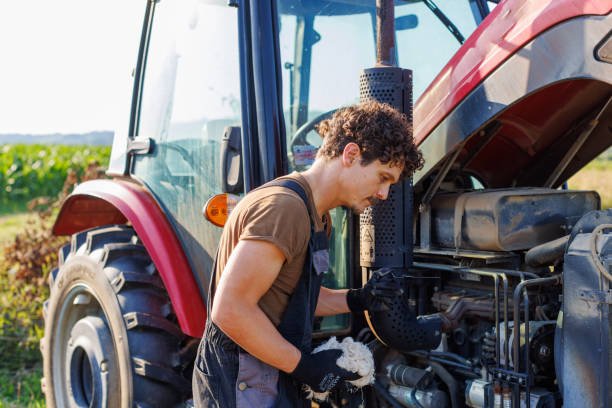

Farming is as much about the ground beneath the crops as the crops themselves. Before anything is planted, fields need to be cleared, graded, drained, and sometimes cleaned of old structures that no longer serve a purpose. That is where a reliable agricultural service in Clovis CA becomes valuable, handling the heavy work that keeps a property productive. Earthmoving and demolition teams such as Ironclad Earth & Demo are the kind of local help growers and landowners look for when a project outgrows what regular farm equipment can manage, and this blog explains how to plan one wisely.
What an Agricultural Service Actually Covers
The phrase covers a wide range of field and property work. Some projects are seasonal, while others are one-time improvements that change how a property functions for years. Common examples include land clearing, grading, drainage correction, pad and road preparation, pond and ditch work, and removal of old buildings or debris. Knowing which tasks apply to your property helps you ask for the right help instead of paying for services you do not need.
Why Preparation Matters Before Planting
Good ground preparation shapes everything that follows. Uneven fields can lead to pooling water in some areas and dry patches in others, and compacted soil can make it harder for roots and irrigation to do their jobs. Taking time to level, clear, and shape the land before planting often prevents expensive corrections later. In the Central Valley, where irrigation planning is part of daily life, a well-graded field can make water management far simpler.
Common Projects Landowners Plan
Most property owners fall into a few project types.
Land Clearing and Grading
Removing brush, old trees, rocks, and debris opens up usable ground. Grading then shapes the surface so water flows where it should and equipment can move safely. These steps are the foundation for new plantings, farm roads, and building pads.
Drainage and Water Control
Ditches, swales, and properly shaped slopes guide water away from crops and structures. A drainage plan that matches your soil and layout can reduce standing water and help protect equipment and access roads.
Demolition and Cleanup on Working Land
Older barns, sheds, and outbuildings can become hazards or simply take up space that could be productive. Demolition requires planning for debris removal, utilities, and safety, and some materials need special handling. A qualified team will review permits, protect surrounding areas, and haul away what is left so the site is ready for its next use. Taking on this work without the proper equipment and experience can create risks for people and property.
How to Compare Service Options at a Glance
The table below shows how common services differ in purpose and what to prepare before the crew arrives.
| Service | Main Purpose | What to Prepare |
|---|---|---|
| Land clearing | Removes brush, trees, and debris | Mark boundaries and identify items to keep |
| Grading and leveling | Shapes the surface for water flow and access | Share crop plans and irrigation layout |
| Drainage work | Moves water away from fields and structures | Note problem areas and seasonal pooling |
| Pond and ditch work | Creates or restores water features | Confirm permits and property lines |
| Demolition and hauling | Removes old structures and waste | Locate utilities and clear personal items |
Every property is different, so use the table as a starting point for a conversation with your contractor.
Questions to Ask Before You Hire
A little vetting goes a long way.
Experience and Equipment
Ask how long the company has worked on agricultural or rural properties and what equipment they use. Experience with local soil and conditions matters, and so does having machinery suited to the size of your project. When you contact an agricultural service in Clovis CA, request examples of similar jobs.
Insurance and Permits
Confirm the crew carries proper insurance and understands local permit requirements. Clear documentation protects you from liability and helps keep the project moving without delays.
Planning Around Weather, Seasons, and Budget
Timing affects both cost and results. In the Central Valley, dry months generally make earthwork easier, while wet weather can delay projects and create muddy conditions. Schedule early so equipment and crews are available before your planting or harvest windows. Ask for a written estimate that breaks down labor, equipment, hauling, and any disposal fees. Comparing two or three estimates helps you see what each includes, and a slightly higher bid that covers more can be a better value than a low number that leaves out essential steps.
Working With a Local Crew Pays Off
A local team understands regional soil, regulations, and water concerns. Choosing an agricultural service in Clovis CA that communicates clearly, keeps a tidy job site, and follows up after the work is done makes the whole process less stressful. Good communication about schedules, access points, and changes along the way keeps small issues from turning into costly ones.
Conclusion
Strong fields begin with careful planning, the right equipment, and a crew that respects your land and your timeline. Use the ideas in this blog to understand your needs, compare options, and ask thoughtful questions. When you are ready to book an agricultural service in Clovis CA, choose a team that explains the plan clearly and stands behind its work.
FAQs
What types of jobs does an agricultural service handle?
Common jobs include land clearing, grading, drainage improvements, farm road and pad preparation, pond or ditch work, and demolition of old structures. The exact services vary by contractor, so ask for a clear list of what is offered and what is not. Describing your goals helps the crew recommend the right approach for your property.
When should I schedule land preparation?
Plan well before your planting or construction dates, ideally several weeks or months ahead. Contractors can book up during dry seasons, and projects often need time for permits and utility checks. Early scheduling gives you flexibility if weather or unexpected site conditions cause delays.
Do I need permits for earthwork or demolition?
Often yes, depending on the size and type of project. Grading, drainage changes, and demolition may require approvals from local agencies, and some sites have special rules. A professional contractor can explain what is typically needed, but you should also confirm requirements with your local authorities before work begins.
How can I compare estimates fairly?
Ask each contractor to price the same scope of work so you can compare like with like. Check that labor, equipment, hauling, disposal, and cleanup are listed. A very low bid may leave out important items, so look closely at what is included and ask questions about anything unclear.