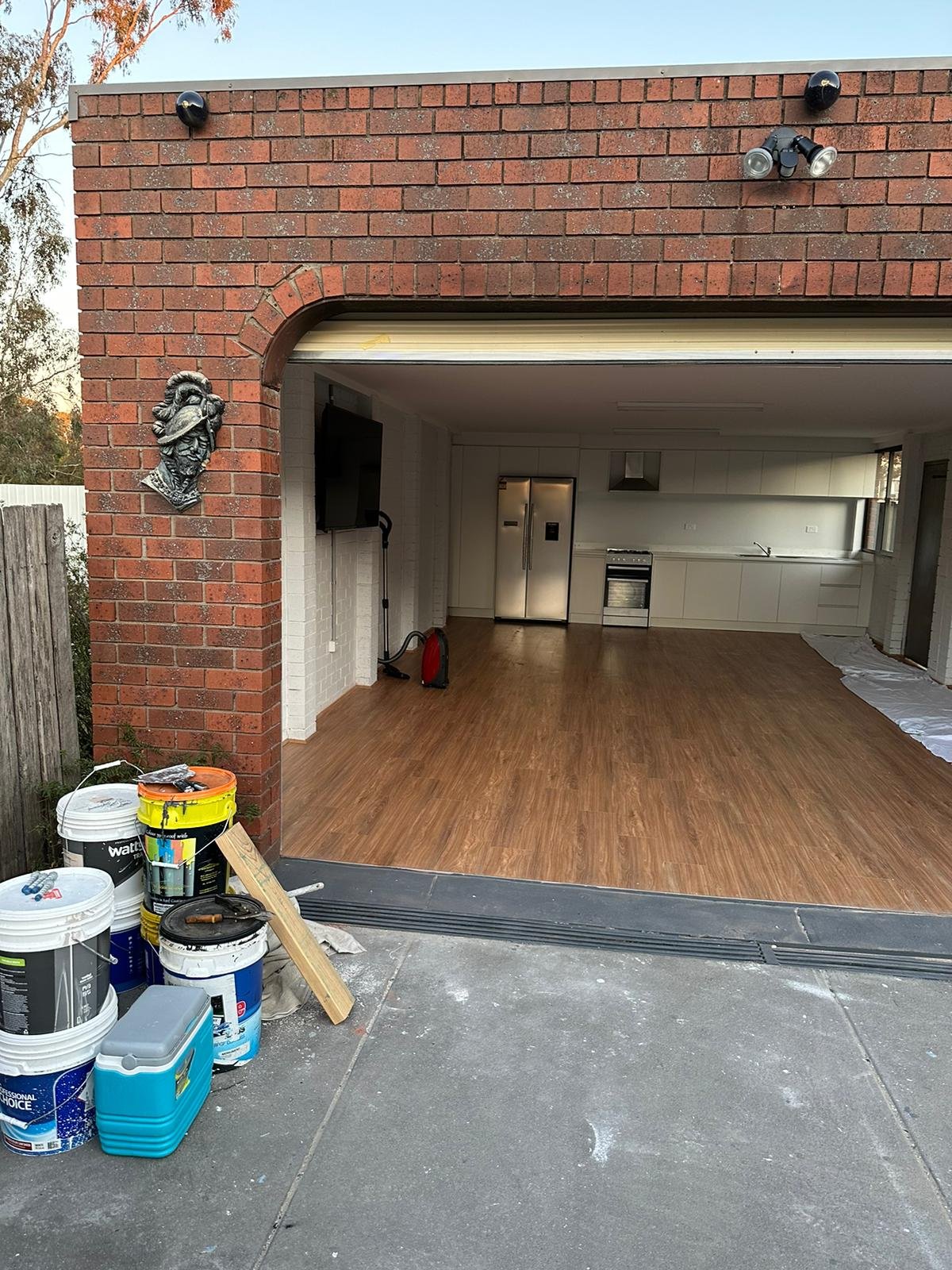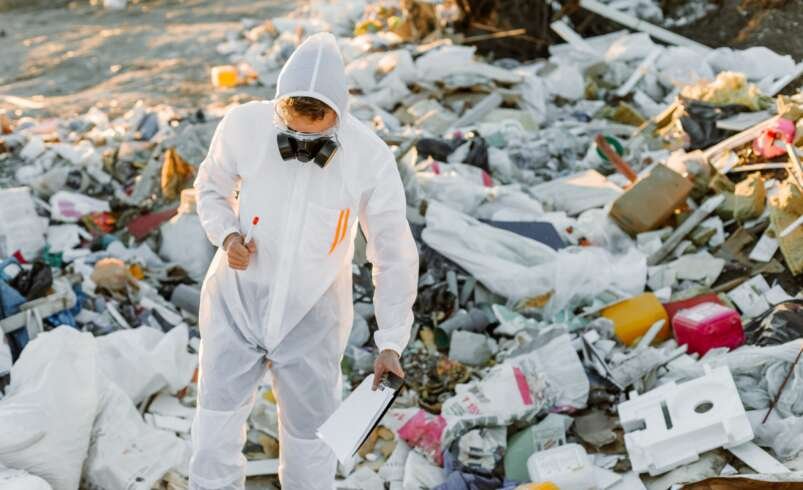

Most of us clean out a garage or shed expecting old boxes and broken furniture, and then we find half-empty paint cans, dead batteries, and mystery bottles. Tossing them in the regular trash feels easy, but it can harm sanitation workers, contaminate soil and water, and sometimes break local rules. The team at GIG Junk Removal sees these items on cleanouts all the time and encourages customers to sort them before anything is hauled away. This list explains common problem items and how hazardous waste disposal in Gainesville FL fits into a safe, responsible cleanup.
Why These Items Need Special Handling
Products labeled flammable, corrosive, toxic, or reactive can cause fires, burns, or poisoning when handled carelessly. Landfills and trash trucks are not built to manage them, and leaks can reach groundwater over time. Local household hazardous waste programs exist so residents have a safe drop-off option, and understanding hazardous waste disposal in Gainesville FL starts with knowing which items qualify. The rules about what is accepted can change, so always confirm details with your county or city before you load the car.
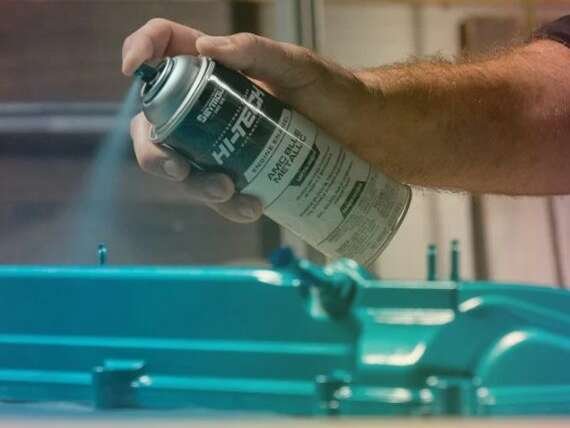
Paint, Stains, and Solvents
Paint is the most common leftover in any home. How you manage it depends on what type it is.
Latex Versus Oil-Based
Water-based latex paint is generally treated differently from oil-based paint, thinners, and solvents. Many areas allow fully dried latex paint in regular trash, but oil-based products are typically considered hazardous. Check your local guidance because the rules vary.
Storing Until Disposal
Keep products in their original containers with the lids sealed tight. Place them on a stable shelf away from heat, children, and pets. Never pour leftovers down a drain or onto the ground.
Batteries of Every Kind
Car batteries, rechargeable packs, and button cells all contain materials that should not end up in a landfill. Lithium-ion batteries can also start fires if they are crushed or damaged. Cover the terminals with tape, store them in a cool, dry spot, and drop them at a battery recycling program or collection event instead of the curb.
Cleaning Products and Pesticides
Drain cleaners, bleach, oven cleaners, weed killers, and insect sprays can be dangerous on their own and worse when mixed. Never combine chemicals to get rid of them. Leave labels intact so collection staff know what they are handling, and use a hazardous waste program for any product you no longer need. Small amounts of everyday household cleaners may have different instructions, so read the label and local guidance.
Used Motor Oil and Automotive Fluids
Do-it-yourself car care leaves behind fluids that need careful handling. A single quart of oil can foul a surprising amount of water.
Collect Safely
Drain fluids into clean, sealable containers made for that purpose, and keep each type separate.
Know Where to Take It
Many county programs and auto parts retailers accept used oil, while antifreeze and brake fluid may have separate collection rules.
Prevent Spills
Transport containers upright in a bin or tub so a leak does not spread in your vehicle.
Fluorescent Bulbs and Mercury Items
Compact fluorescent bulbs, long tube lights, and older thermometers or thermostats can contain small amounts of mercury. Handle them gently to avoid breaking, and bring them to a recycling program rather than the trash. If one breaks, ventilate the room and follow official cleanup guidance instead of using a vacuum.
Old Electronics
Televisions, computers, printers, and phones may contain lead, cadmium, and other materials that should be recycled properly. Many areas offer electronics collection days or drop-off sites. Before you part with a device, remove personal data and any batteries so everything can be handled safely.
Pool Chemicals and Propane
Pool chlorine, acids, and algaecides are powerful and can react violently when combined. Keep them in their original labeled containers and never store different products together. Propane cylinders also need special care, because even small amounts left inside can be dangerous. Ask your supplier about exchanges or a safe return program, and do not put cylinders in the trash.
A Quick Disposal Reference
This table summarizes general approaches to hazardous waste disposal in Gainesville FL and similar communities. Always confirm details with your local program, since accepted materials and schedules differ.
| Item | General Approach | Key Safety Tip |
|---|---|---|
| Oil-based paint and solvents | Household hazardous waste program | Keep original lids sealed |
| Batteries | Battery recycling drop-off | Tape terminals before storing |
| Pesticides and cleaners | Hazardous waste collection | Never mix chemicals |
| Used motor oil | County program or retail drop-off | Use clean sealed containers |
| Fluorescent bulbs | Recycling program | Avoid breaking them |
| Electronics | E-waste collection | Erase personal data first |
Final Thoughts
A safe cleanout begins with knowing what you have. Sort items by type, keep them in their original containers, and use official programs for anything dangerous. If you are unsure, ask before you throw it out. When you want guidance on Hazardous waste disposal in Gainesville FL, reach out and plan your cleanup the safe way.
Frequently Asked Questions
Can I put hazardous items in my regular trash or recycling bin?
In most cases, no. Regular collection trucks and landfills are not designed for these materials, and they can cause fires or injuries. Use your local household hazardous waste program or a designated drop-off instead.
What should I do if I do not know what is in a container?
Do not open it or mix it with anything else. Keep it sealed, upright, and away from heat. Contact your local waste program and describe the container, and they can explain how to handle it safely.
How should I transport hazardous items to a drop-off site?
Place containers upright in a sturdy box or bin, secure them so they cannot tip, and keep them away from passengers. Never transport leaking containers without extra protection. Bring only what is allowed and follow the staff’s directions on arrival.
Do I need to do anything before a junk removal crew arrives?
Yes, sort out hazardous materials in advance and set them aside. Tell the crew about anything unusual so they can plan accordingly. Providers can only take certain items, so confirm what is accepted before the appointment.