

Weight loss injections have changed how medical weight management is approached in the UK. Rather than simply relying on willpower or trying to accelerate metabolism, these prescription medicines influence biological signals involved in hunger, fullness and food intake. For eligible adults living with overweight or obesity, they may provide additional support when lifestyle measures alone have not produced sufficient or sustainable results.
However, injectable weight management medicines are not a quick fix. They are prescription-only treatments that require an assessment of individual health, medical history and suitability. Understanding how they work, what they can realistically achieve and where they fit within a broader weight-management strategy is therefore important before considering treatment.
How Do Weight Loss Injections Work?
Most modern weight loss injections act on hormone pathways involved in appetite and energy regulation. One of the most important is glucagon-like peptide-1, usually shortened to GLP-1.
GLP-1 is a naturally occurring hormone released in response to food. Medicines that mimic or enhance this signalling can reduce appetite and help people feel satisfied after eating less food.
The Medicines and Healthcare products Regulatory Agency (MHRA) explains that GLP-1 medicines help people feel fuller by mimicking a natural hormone released after eating. Some newer medicines also act on another hormone pathway called glucose-dependent insulinotropic polypeptide, or GIP.
These effects can support weight management in several interconnected ways.
Reducing Appetite
GLP-1-related medicines influence appetite signals, which can make hunger feel less intense. People may therefore find it easier to manage portion sizes and maintain a reduced-calorie eating pattern.
This does not mean appetite disappears completely. Instead, the biological drive to eat may become more manageable, helping dietary changes feel more sustainable for some people.
Increasing Feelings of Fullness
Another important effect is greater satiety after meals. Feeling satisfied for longer may reduce the urge to snack frequently or consume larger portions.
Over time, a consistent reduction in calorie intake can contribute to weight loss when treatment is combined with appropriate dietary and lifestyle changes.
Slowing Digestion
Some injectable weight-management medicines also slow gastric emptying, meaning food moves from the stomach into the digestive system more gradually.
This can contribute to prolonged fullness after eating. However, delayed digestion can also play a role in gastrointestinal side effects experienced by some patients, particularly when starting treatment or increasing the dose.
What Types of Weight Loss Injections Are Used in the UK?
Different injectable medicines work through slightly different hormonal pathways.
Semaglutide is a GLP-1 receptor agonist. It mimics GLP-1 activity and helps regulate appetite and fullness. Tirzepatide acts on both GLP-1 and GIP receptors, giving it a dual mechanism. Liraglutide also acts through the GLP-1 pathway but differs in its dosing schedule and clinical use.
Importantly, medicines containing the same or similar active ingredients can be licensed for different conditions. A medicine used to manage type 2 diabetes should not automatically be assumed to be licensed for weight management.
People exploring their options can learn more about different clinically guided weight loss treatments before discussing individual suitability with a qualified healthcare professional.
The MHRA also advises that GLP-1 medicines should only be taken when prescribed by an appropriate healthcare professional. Using medicines obtained through unregulated or unofficial sources can expose people to counterfeit, incorrectly stored or otherwise unsafe products.
Weight Loss Injections and Medical Weight Management
Medication is only one part of medical weight management.
The National Institute for Health and Care Excellence (NICE) recommends that medicines for weight management should be used alongside a reduced-calorie diet and increased physical activity.
This combined approach matters because losing weight and maintaining that loss are not the same challenge. Medication may help control appetite, but longer-term progress can also depend on nutrition, movement, sleep, behavioural patterns and continued support.
Medical weight management therefore looks beyond the number on the scales. A structured approach may consider existing health conditions, current medicines, previous weight-loss attempts, eating patterns and realistic goals.
Who May Be Suitable for Weight Loss Injections?
Weight loss injections are not suitable for everyone, and wanting to lose a small amount of weight does not automatically make someone eligible.
Eligibility depends on the medicine being considered, BMI, existing health conditions, previous interventions and individual risk factors. The criteria used by the NHS can also differ from those applying to licensed use or private prescribing.
The NHS guidance on overweight and obesity explains that eligibility for weight-loss medicines can depend on BMI and the presence of health conditions affected by weight.
A clinical assessment may also consider factors such as:
- current prescription medicines
- type 2 diabetes or blood glucose control
- cardiovascular health
- gastrointestinal conditions
- previous weight-management treatments
- pregnancy or plans for pregnancy
- breastfeeding
- potential medicine interactions
BMI can be useful when assessing weight-related health risk, but it should not be viewed in isolation. Individual health circumstances remain important when deciding whether prescription treatment is appropriate.
What Results Can People Expect?
There is no single amount of weight that everyone should expect to lose with an injectable treatment.
Response varies according to the medicine, dose, treatment duration, starting weight, adherence and lifestyle factors. Clinical studies have demonstrated meaningful average weight reductions with some prescription weight-management medicines, but study averages cannot predict an individual’s result.
Progress may also occur gradually. Many treatments begin at a lower dose before being increased over time to improve tolerability.
Weight loss should therefore be considered as a longer-term process rather than a race towards a target number. Changes in waist circumference, mobility, eating habits and weight-related health markers may also be relevant when reviewing progress.
What Are the Possible Side Effects?
Because weight loss injections affect appetite and the digestive system, gastrointestinal symptoms are among the most frequently reported side effects.
These can include:
- nausea
- vomiting
- diarrhoea
- constipation
- abdominal discomfort
- reduced appetite
Symptoms can be more noticeable when treatment begins or following a dose increase. Some people experience relatively mild effects, while others may require clinical advice or changes to their treatment.
The MHRA advises patients to understand the potential adverse effects associated with GLP-1 medicines and speak with a healthcare professional if they have concerns.
Persistent vomiting or diarrhoea can lead to dehydration. Severe and persistent abdominal pain, particularly when it may radiate to the back and occurs with nausea or vomiting, requires urgent medical assessment because pancreatitis is an important potential complication associated with this medicine class.
Side effects should not simply be tolerated in the hope that treatment will produce faster weight loss. Clinical monitoring allows concerns to be assessed appropriately.
Why Clinical Assessment Matters Before Starting Treatment
Weight management medicines can affect people differently, which makes individual assessment an important part of safe prescribing.
Before treatment begins, a prescriber may review BMI, existing medical conditions, current medicines, previous treatments and other factors that could affect safety or suitability.
NICE’s guidance on prescribing medicines for overweight and obesity also emphasises initial assessment and appropriate monitoring as part of treatment.
This is particularly important because weight-management medicines may interact with other aspects of a person’s health. For example, people receiving treatment for diabetes may require closer monitoring when medicines that influence blood glucose are introduced.
A clinically supervised service such as London Slimming Clinic uses an individual health assessment before prescription weight-management treatment is considered. Regardless of the provider chosen, patients should make sure treatment is supplied through legitimate UK healthcare and pharmacy channels.
Are Weight Loss Injections a Replacement for Diet and Exercise?
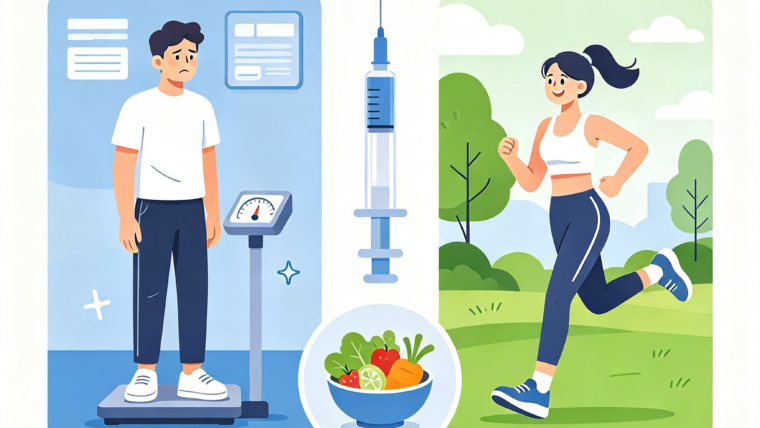
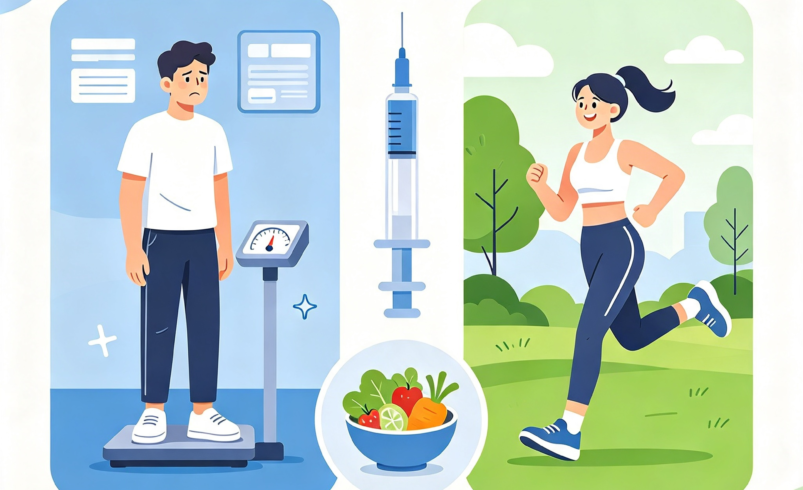
No. Prescription injections can make lifestyle changes easier to maintain for some people, but they do not replace nutrition, physical activity or broader health behaviours.
The NHS advises that weight-loss medicines are generally prescribed alongside dietary and lifestyle guidance. A balanced diet with an appropriate calorie intake and regular physical activity remain important while taking treatment.
This approach can also help protect lean muscle mass, improve cardiovascular fitness and establish habits that remain useful if medication is later reduced or stopped.
Rather than viewing medication and lifestyle change as competing approaches, it is more useful to see them as potentially complementary parts of an individual weight-management strategy.
What Happens If Weight Loss Injections Are Stopped?
Stopping treatment can lead to changes in appetite as the medicine gradually leaves the body. For some people, hunger may become stronger again, making weight maintenance more challenging.
This is one reason sustainable routines matter throughout treatment rather than only after medication ends.
The NHS states that people should receive support to help maintain a healthy weight after stopping weight-loss medicines. Long-term strategies may include maintaining balanced eating habits, staying physically active, monitoring weight trends and seeking professional support when needed.
Stopping or changing prescription treatment should also be discussed with the healthcare professional responsible for prescribing it rather than making significant changes without clinical advice.
Building a Sustainable Approach to Weight Management
Obesity is complex. Genetics, hormones, environment, sleep, psychological factors, health conditions, medicines and eating behaviours can all influence body weight.
For this reason, effective medical weight management should not be reduced to simply “eat less and move more”.
Prescription injections can help address some of the biological processes that make weight loss difficult, particularly appetite and satiety. They work best when their role is understood within a broader strategy that supports nutrition, physical activity and sustainable behavioural change.
Regular reviews also provide an opportunity to assess whether treatment remains appropriate, whether side effects are manageable and whether progress aligns with realistic health goals.
The Bottom Line
Weight loss injections work primarily by influencing hormonal pathways involved in hunger, fullness and digestion. GLP-1 medicines can reduce appetite and increase satiety, while dual-action treatments may target additional pathways involved in appetite and blood glucose regulation.
For eligible patients, these medicines can form part of a clinically supervised approach to weight management. They are not suitable for everyone, do not guarantee a particular amount of weight loss and should not be viewed as a substitute for sustainable lifestyle changes.
Anyone considering prescription weight-management treatment should use a regulated healthcare provider, complete an appropriate clinical assessment and discuss the potential benefits, limitations and risks with a qualified prescriber before starting treatment.