
For many years, longevity was mainly associated with living longer. Today, the conversation is becoming more detailed. Researchers are exploring not only how long people live but also how they can maintain their physical abilities, mental well-being, and independence as they age. This growing focus on healthy aging is changing the way people think about long-term wellness in 2026.
Modern health research is helping scientists understand the complex relationship between genetics, lifestyle, metabolism, and the aging process. Although there is still much to learn, these developments are encouraging a more informed approach to preventive healthcare and everyday health decisions.
Looking Beyond Lifespan
Lifespan describes the total number of years a person lives, while healthspan refers to the years spent in relatively good health and with the ability to participate in everyday activities.
Researchers are increasingly interested in understanding why some people maintain their physical and mental abilities as they age, while others experience health challenges earlier. This involves studying several factors, including cardiovascular health, muscle function, sleep, nutrition, and the body’s response to stress.
There is no single explanation for healthy aging. Instead, research suggests that longevity is influenced by a combination of biological, environmental, and lifestyle factors. Understanding these connections can help improve conversations about realistic health goals throughout life.
The Growing Role of Biomarkers
Biomarkers are measurable indicators that can provide information about particular biological processes or aspects of health. Depending on the test, they may help healthcare professionals assess inflammation, blood sugar regulation, cholesterol levels, or other relevant measurements.
Researchers are studying how different biomarkers relate to aging and the risk of developing certain health conditions. This work may improve understanding of how health changes over time and how particular risk factors can be identified.
However, a biomarker does not tell the whole story. One result cannot reliably predict a person’s lifespan, and not every measurement is useful for everyone. Test results need to be interpreted alongside medical history, symptoms, and other relevant information.
The goal is to use reliable evidence to support better healthcare decisions rather than treating individual numbers as a complete measure of health.
How Lifestyle Research Is Influencing Longevity
Modern longevity research also examines everyday habits that may contribute to long-term well-being. Nutrition, physical activity, sleep, and social connection are important areas of ongoing study.
Regular physical activity can support cardiovascular health, strength, balance, and mobility. A varied, balanced diet provides nutrients the body needs, while sufficient sleep supports normal physical and mental functioning.
Researchers continue to investigate how these factors interact and how their effects may differ between individuals. This is one reason broad lifestyle recommendations are often best adapted to personal circumstances.
Rather than following every new wellness trend, people can focus on established health guidance and make sustainable changes that fit their routines.
Personalized Healthcare and Healthy Aging
Advances in research are helping healthcare professionals ask more specific questions about individual health needs. Medical history, relevant laboratory testing, lifestyle information, and symptoms can all contribute to a more complete assessment.
Personalized healthcare does not mean that every person needs extensive testing or a specialized wellness program. It means considering relevant information when discussing prevention, screening, and possible next steps.
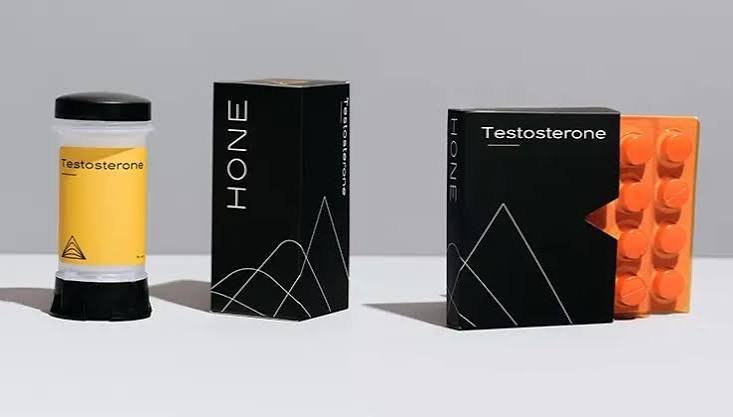
Providers such as Hone Health focus on hormone-related healthcare for adults. People exploring services of this kind should understand what is offered, how medical decisions are supervised, and whether the service is suitable for their circumstances.
When comparing healthcare options, searching for a Honehealh Coupon Code may help identify a current promotion. Still, cost savings should be considered alongside clinical oversight, transparent pricing, and the relevance of the service to individual needs.
Separating Scientific Progress From Wellness Trends
As interest in longevity grows, new products, tests, and wellness claims are appearing across the healthcare market. Not every claim has the same level of scientific support, and promising early findings do not always translate into proven benefits for everyday use.
Before trying a new service, it is useful to ask what evidence supports its claims, whether the findings come from well-designed studies, and whether qualified healthcare professionals are involved.
A Honehealh Coupon Code may be worth checking when researching eligible services, but a discount alone cannot establish the effectiveness or suitability of a healthcare option. Informed decisions depend on reliable information and appropriate professional advice.
What the Future of Longevity Research May Bring
Ongoing research may improve understanding of biological aging, health risks, and the factors associated with maintaining function later in life. Better tools for studying health patterns could also help researchers identify meaningful changes and evaluate preventive approaches more carefully.
However, no test, technology, or routine can guarantee a longer life. Scientific findings need continued evaluation, and recommendations may change as stronger evidence becomes available.
Conclusion
Modern health research is expanding our understanding of longevity by examining the connections between biology, lifestyle, preventive care, and healthy aging. The focus is gradually moving beyond simply counting years toward understanding how people can maintain well-being throughout life.
By following credible research, discussing personal concerns with qualified healthcare professionals, and building sustainable everyday habits, individuals can make more informed choices about their health. Longevity is a complex subject, but continued research offers valuable opportunities to improve our understanding of aging and long-term wellness.