


If you’ve noticed a soft, movable lump beneath your skin, it may be a lipoma. Because lipomas are usually harmless, many people begin searching online for how to remove a lipoma yourself in hopes of avoiding surgery or medical procedures.
While it’s understandable to look for at-home solutions, it’s important to know that attempting to remove a lipoma yourself is not recommended. DIY removal can lead to infection, bleeding, scarring, and other complications. Instead, understanding safe, evidence-based options can help you make informed decisions about your health.
In this guide, we’ll explain why self-removal is risky, discuss safer alternatives, and explore how Lipoma Wand fits into a non-invasive wellness routine.
What Is a Lipoma?
A lipoma is a benign (non-cancerous) growth made of fat cells that forms beneath the skin. Lipomas are one of the most common soft tissue growths and usually develop slowly over time.
They commonly appear on the:
- Neck
- Back
- Shoulders
- Arms
- Abdomen
- Thighs
Most lipomas are:
- Soft
- Painless
- Easy to move under the skin
- Slow growing
Although they are generally harmless, any new lump should be evaluated by a healthcare professional to confirm the diagnosis.
Why Do People Want to Remove a Lipoma at Home?
There are several reasons people search for DIY lipoma removal, including:
- Wanting to avoid surgery
- Concerns about medical costs
- Cosmetic reasons
- Fear of medical procedures
- Believing online home-removal claims
Unfortunately, many websites promote unsafe methods that can cause more harm than good.
Can You Remove a Lipoma Yourself?
The simple answer is no—it is not considered safe to remove a lipoma yourself.
Unlike a pimple or cyst, a lipoma is enclosed beneath the skin and is connected to surrounding tissues. Removing it requires proper medical knowledge, sterile equipment, and techniques that help reduce the risk of complications.
Attempting self-removal may result in:
- Infection
- Excessive bleeding
- Permanent scarring
- Incomplete removal
- Skin damage
- Delayed diagnosis of another condition
For these reasons, healthcare professionals strongly advise against DIY removal.
Common DIY Methods Found Online
Many internet articles recommend techniques that are unsupported or unsafe.
Examples include:
- Cutting the lump with a blade
- Using needles to drain it
- Applying harsh chemicals
- Burning the skin
- Tight wrapping or compression
- Homemade herbal pastes
There is no reliable scientific evidence that these methods safely remove lipomas.
Why Professional Diagnosis Matters
Not every lump beneath the skin is a lipoma.
Other conditions may resemble a lipoma, including:
- Epidermoid cysts
- Enlarged lymph nodes
- Benign skin growths
- Other soft tissue masses
A healthcare professional can evaluate the lump and determine whether further testing is necessary.
Safer Alternatives to DIY Removal
If your lipoma is small and painless, your healthcare provider may recommend observation rather than immediate treatment.
Other conservative approaches include:
Regular Monitoring
Many lipomas remain unchanged for years.
Monitoring includes:
- Checking for growth
- Watching for pain
- Recording changes
- Scheduling routine medical evaluations
Healthy Lifestyle Habits
Although healthy habits do not remove lipomas, they support your overall wellness.
Focus on:
- Eating nutritious foods
- Staying physically active
- Drinking enough water
- Managing stress
- Getting quality sleep
Non-Invasive Wellness Options
People searching for alternatives to surgery often explore non-invasive products.
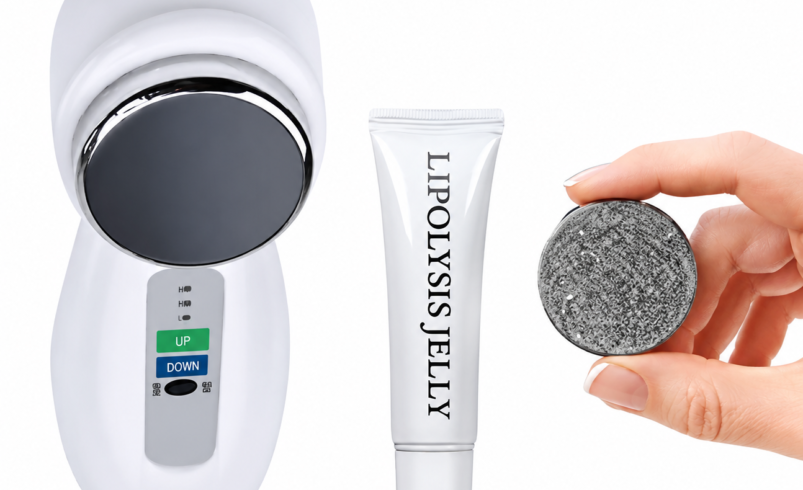
Lipoma Wand is designed for individuals interested in incorporating a non-surgical wellness option into their routine. It is intended to complement healthy lifestyle habits and should not replace medical advice or treatment.
Every individual is different, so experiences may vary.
When Is Medical Treatment Recommended?
Treatment may be appropriate if the lipoma:
- Grows rapidly
- Causes pain
- Restricts movement
- Presses on nearby nerves
- Creates cosmetic concerns
- Changes in appearance
Your healthcare provider can discuss the most suitable treatment based on your individual situation.
What Happens During Professional Lipoma Removal?
If removal becomes necessary, healthcare professionals use sterile techniques to reduce the risk of complications.
Depending on the situation, treatment may involve:
- Local anesthesia
- Careful removal of the lipoma
- Closing the incision if needed
- Follow-up care to support healing
Professional treatment helps minimize infection and improves cosmetic outcomes.
Signs You Should See a Doctor
Schedule an appointment if your lump:
- Becomes painful
- Grows quickly
- Feels unusually firm
- Changes color
- Develops redness or warmth
- Restricts movement
- Appears suddenly
Early evaluation helps ensure the correct diagnosis.
Common Myths About Removing Lipomas Yourself
Myth 1: Lipomas Can Be Popped Like Pimples
False. Lipomas are enclosed fatty growths beneath the skin.
Myth 2: A Needle Can Drain a Lipoma
Lipomas are not fluid-filled, so draining them is ineffective and unsafe.
Myth 3: Home Surgery Saves Money
DIY removal can lead to complications that require more extensive medical treatment.
Myth 4: Every Lump Is a Lipoma
Only a qualified healthcare professional can confirm the diagnosis.
Healthy Habits That Support Skin Wellness
Whether or not treatment is needed, healthy habits contribute to overall well-being.
These include:
- Balanced nutrition
- Daily exercise
- Proper hydration
- Stress management
- Adequate sleep
- Routine healthcare visits
Consistency is more valuable than quick fixes.
Frequently Asked Questions
Can I safely remove a lipoma at home?
No. Self-removal increases the risk of infection, bleeding, scarring, and incomplete removal.
Can a lipoma disappear on its own?
Most lipomas remain stable or grow slowly over time.
Is Lipoma Wand a surgical treatment?
No. Lipoma Wand is a non-invasive wellness product intended for individuals exploring conservative lipoma care options.
Are lipomas dangerous?
Most lipomas are benign, but every new or changing lump should be evaluated by a healthcare professional.
Should I squeeze a lipoma?
No. Squeezing or attempting to puncture a lipoma can damage surrounding tissue and increase the risk of infection.
Choose Safety Over DIY Removal
Searching for how to remove a lipoma yourself is understandable, but self-removal is not a safe solution. Lipomas are typically harmless, and many do not require treatment unless they cause discomfort or interfere with daily life.
If you’re interested in non-surgical approaches, maintaining healthy lifestyle habits and exploring wellness products like Lipoma Wand may be part of your overall self-care routine. Most importantly, consult a qualified healthcare professional before making decisions about treating or removing a lipoma to ensure you receive safe and appropriate care.