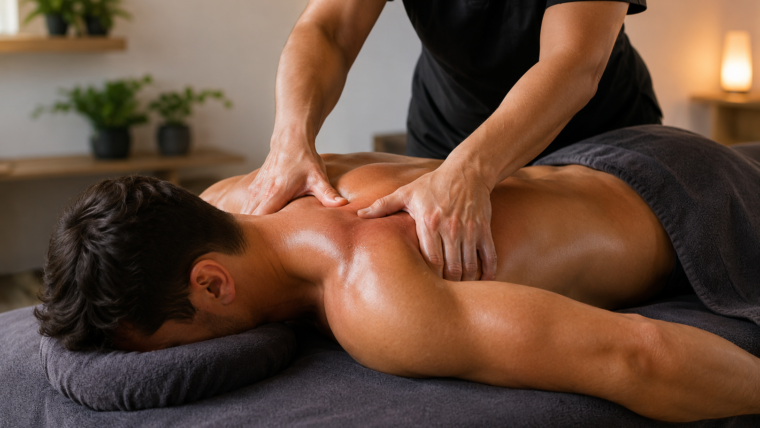

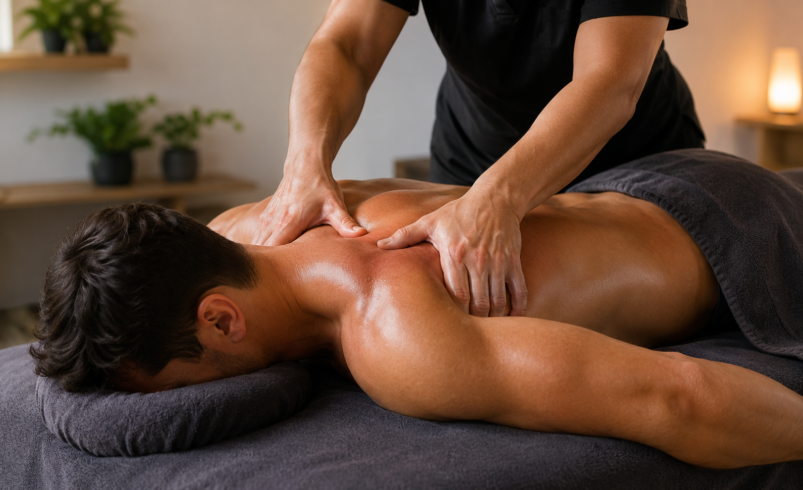

Staying active is good for your body, but regular exercise, sports, and physical activity can sometimes leave your muscles feeling tight and tired. Runners, gym-goers, athletes, and even people with physically demanding jobs may deal with muscle soreness or stiffness after repeated movement. Finding the right type of massage can be one way to support comfort and recovery.
Deep Tissue Sports Massage is designed to work on areas of muscle tension using firm and focused pressure. It is not only for professional athletes. People with active lifestyles may also choose this type of massage when they want targeted work on tight or overworked muscles. Before booking a session, however, it is helpful to understand how it works, what benefits it may offer, and whether it is suitable for your needs.
What Is Deep Tissue Sports Massage?
Deep Tissue Sports Massage is a type of massage that focuses on deeper layers of muscle and soft tissue. The therapist uses controlled pressure and slow movements to work on areas that may feel tight or overworked.
Unlike a general relaxation massage, the treatment is often more focused on specific areas. The therapist may spend more time working on muscles that receive a lot of stress from exercise, sports, work, or repeated movements.
Common treatment areas include:
- Lower back
- Shoulders and upper back
- Hips
- Glutes
- Hamstrings
- Quadriceps
- Calves
- Arms and forearms
The pressure can be adjusted based on your comfort level, muscle condition, and treatment goals.
How Does It Work?
During a session, the massage therapist uses their hands, fingers, thumbs, and other techniques to apply pressure to areas of muscle tension. The movements may be slower and more focused than those used during a gentle massage.
The therapist may first ask about your daily activities, exercise routine, and areas where you feel tightness. This helps them understand which muscles may need more attention.
Good communication is important during the session. Deep pressure should not mean unbearable pain. If the pressure feels too strong or uncomfortable, you should let your therapist know so they can make changes.
Benefits of Deep Tissue Sports Massage
Helps Reduce Muscle Tension
One of the main reasons people choose this type of massage is muscle tightness. Exercise, long periods of sitting, heavy lifting, and repeated movements can all cause muscles to feel tense.
Focused massage may help the muscles feel more relaxed and comfortable. It can also make everyday movement feel easier when tight muscles have been limiting your comfort.
Supports Exercise Recovery
Your muscles need time to recover after physical activity. Rest, proper nutrition, hydration, and sleep all play important roles in recovery.
Massage can be another part of a healthy recovery routine. Working on tight muscles may help you feel more comfortable after exercise and support your ability to return to normal activities.
May Help With Flexibility
Tight muscles can make certain movements feel difficult. When muscles are stiff, you may notice that stretching or moving through your normal range feels less comfortable.
Deep Tissue Sports Massage focuses on areas of tightness and may help improve how freely you move. This can be useful for people who take part in sports or activities that require regular movement.
Targets Overworked Muscles
Certain muscles may work harder than others depending on your activity. For example, runners may place more stress on their legs, while people who lift weights may have tightness in their shoulders, back, or arms.
A targeted massage allows the therapist to spend more time on these areas rather than treating every part of the body in the same way.
Can Help You Relax
Although this type of massage is often linked to sports and exercise, it can also help you relax. Physical tension can build up during busy workdays, long periods of sitting, or demanding activities.
A properly performed massage may leave you feeling less tense and more comfortable.
Is Deep Tissue Sports Massage Painful?
Deep tissue massage can feel more intense than a light relaxation massage. Some areas may feel sensitive when the therapist works on tight muscles.
However, a massage should not be extremely painful. Strong pain is not a sign that the treatment is working better. If something feels sharp, too painful, or uncomfortable, tell your therapist.
Everyone responds differently to massage. The right level of pressure depends on your body, the area being treated, and your personal comfort level.
You may also experience some mild soreness after a deeper massage. This can happen when tight areas have received focused pressure, but significant or lasting pain should not be ignored.
Who Can Benefit From It?
Deep Tissue Sports Massage may be a good option for people who:
- Exercise several times a week
- Take part in sports
- Have tight muscles after workouts
- Have physically demanding jobs
- Spend many hours sitting
- Perform repetitive movements
- Want targeted massage rather than a general massage
- Include massage as part of their recovery routine
You do not need to be a professional athlete to receive a sports massage. The treatment can be adjusted for different activity levels and individual needs.
When Should You Avoid Deep Tissue Massage?
Deep pressure massage is not right for everyone or every situation. If you have a recent injury, unexplained swelling, severe pain, infection, or significant bruising, it is important to get appropriate medical advice before receiving massage.
You should also tell your massage therapist about any health concerns, medications, or recent injuries that could affect your treatment.
If you have sudden or severe pain, numbness, major swelling, or symptoms that are getting worse, massage should not be used as a replacement for proper medical evaluation.
What Happens During a Session?
A session usually starts with a short discussion about your goals and concerns. Your therapist may ask where you feel tightness, what type of exercise you do, and whether you have any recent injuries.
The therapist can then focus on the areas that need attention. The treatment may involve slow movements and firm pressure rather than light strokes over the entire body.
You should feel comfortable speaking with your therapist throughout the appointment. If the pressure is too strong, ask them to reduce it.
After the massage, your muscles may feel relaxed or slightly sore. Give your body enough time to rest and return to normal activity based on how you feel.
How Often Should You Get a Sports Massage?
There is no set schedule that works for everyone. How often you receive massage depends on your activity level, goals, workout routine, and how your body responds.
Someone who trains several times a week may have different needs than someone who exercises occasionally. Some people may prefer occasional sessions when their muscles feel tight, while others may include massage as part of a regular recovery plan.
A qualified massage therapist can help you decide what schedule makes sense for your needs.
Deep Tissue Sports Massage vs. Relaxation Massage
The biggest difference is the purpose and pressure used during treatment.
A relaxation massage usually focuses on comfort and overall relaxation and may use lighter pressure. Deep Tissue Sports Massage is more focused and is often used to work on areas of muscle tightness or stress.
The right choice depends on what you want from your session. If you mainly want to relax, a gentle massage may be enough. If you have specific areas of tightness from exercise or physical activity, a more focused massage may be more suitable.
Tips Before and After Your Massage
To make your massage experience more comfortable, keep these simple tips in mind:
- Tell your therapist about areas that feel tight or sore.
- Explain any recent injuries before the session.
- Let your therapist know if the pressure feels too strong.
- Do not assume that more pressure means better results.
- Give your body time to recover after a deep massage.
- Drink enough water as part of your normal daily routine.
- Combine massage with proper rest and healthy movement.
- Get medical advice if you have ongoing or unexplained pain.
Final Thoughts
Deep Tissue Sports Massage can be a helpful option for people who regularly exercise, take part in sports, or deal with tight and overworked muscles. By focusing on specific areas, it may help support muscle comfort, flexibility, relaxation, and recovery when used as part of a healthy routine.
If you are unsure whether this type of massage is right for you, speaking with a qualified professional can help you choose the right approach for your needs. For people looking for professional care and guidance, you can also learn more from a Best Chiropractor Bay Area when dealing with muscle and movement concerns.
The most important thing is to listen to your body. Massage should support your comfort and wellness, not make existing problems worse. With the right technique, suitable pressure, and proper guidance, Deep Tissue Sports Massage can be a useful addition to an active lifestyle.