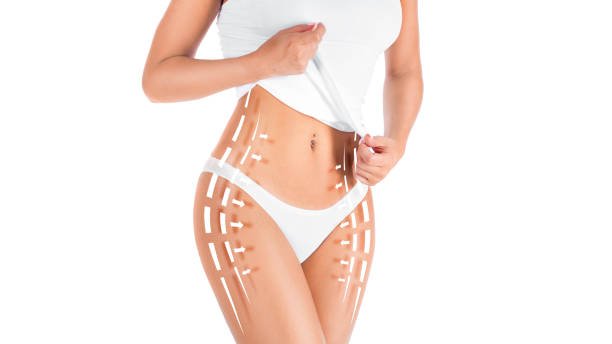

The midsection plays a major role in defining the body’s overall silhouette. However, localized fat deposits around the abdomen, waist, flanks, and lower back can sometimes create additional fullness that affects natural body proportions. Even individuals who maintain regular exercise and balanced nutrition may find certain areas difficult to refine. Liposuction is a surgical body-contouring procedure designed to remove selected fat deposits and improve the appearance of specific regions. For individuals exploring Liposuction in Riyadh, understanding how midsection contouring works can help them identify suitable treatment options and develop realistic expectations.
Treating the entire midsection requires careful consideration of how different areas connect with one another. Rather than focusing only on abdominal fullness, a surgeon may assess the waist, sides, and back to determine how localized fat removal could create a smoother overall profile. The treatment plan depends on individual anatomy, fat distribution, skin elasticity, and general health. People considering Liposuction in Riyadh should understand that the procedure is intended for localized fat reduction, not significant weight loss or a replacement for healthy lifestyle habits.
How Liposuction Can Refine Different Midsection Areas
Reducing Abdominal Fat Deposits
The abdomen is one of the most commonly considered areas for liposuction. Localized fat beneath the skin may create fullness around the upper or lower abdomen. In suitable patients, removing selected deposits can help create a flatter-looking abdominal contour. However, liposuction does not remove visceral fat located around internal organs or repair separated abdominal muscles.
Improving Waistline Definition
Fat accumulation around the sides of the waist can affect the transition between the abdomen and hips. Liposuction may reduce suitable deposits in these regions, helping create a more defined waistline. The surgeon considers natural proportions when determining the amount of fat to remove.
Addressing the Flanks and Lower Back
The flanks and lower back can contribute to fullness around the midsection, particularly when viewed from the side or behind. Treating these areas alongside the abdomen may help create smoother transitions between the torso and waist. A balanced approach is important to avoid uneven contours.
Why Treating the Entire Midsection Requires Individual Planning
Assessing Fat Distribution
Every individual has a different pattern of fat accumulation. Some people carry more fat around the lower abdomen, while others have greater fullness around the waist or back. A physical assessment helps the surgeon identify which areas may benefit from treatment and how they relate to surrounding regions.
Evaluating Skin Elasticity
Skin elasticity influences how the body adapts after fat removal. Skin with good elasticity may contract more effectively around the new contours, while significant looseness may remain noticeable. If excess skin is a primary concern, the surgeon may discuss other procedures rather than relying on liposuction alone.
Maintaining Natural Body Proportions
The goal of midsection contouring is to improve the relationship between the abdomen, waist, and back. Removing too much fat from one region can create an unnatural appearance or visible irregularities. Careful treatment planning helps preserve the body’s natural structure while addressing specific concerns.
Who May Be Suitable for Midsection Liposuction?
Liposuction is generally considered for individuals who are near a stable, healthy weight and have localized fat deposits that remain despite consistent lifestyle habits. Candidates should have realistic expectations and understand that surgery cannot replace weight management or address every cause of abdominal fullness.
Before recommending treatment, the surgeon reviews medical history, medications, general health, and previous procedures. The assessment may also consider skin condition, fat thickness, and the number of areas being treated. These factors help determine whether addressing the entire midsection in one procedure is appropriate.
Understanding the Surgical Process
Liposuction generally involves small incisions through which a thin tube called a cannula is inserted to remove selected fat through suction. The technique and anesthesia depend on the treatment areas, the amount of fat being addressed, and the patient’s individual needs.
When several midsection areas are involved, the surgeon plans the procedure carefully to maintain balanced contours and follow appropriate safety limits. Removing more fat does not automatically create a better outcome. Patients should receive clear information about the proposed approach, expected changes, limitations, and possible complications before providing informed consent.
Recovery After Midsection Liposuction
Recovery varies according to the extent of treatment and individual healing. Swelling, bruising, tenderness, and temporary changes in sensation are common after surgery. Compression garments may be recommended to support the treated areas and help manage swelling. Patients should follow medical instructions regarding wound care, physical activity, and follow-up appointments.
The initial appearance may not represent the final outcome because swelling takes time to settle. Contours gradually become clearer over the following weeks and months. Returning to exercise and strenuous activities should be guided by the surgeon’s recovery instructions.
Maintaining Long-Term Midsection Contours
Liposuction permanently removes the fat cells extracted during surgery, but remaining fat cells can still enlarge with weight gain. Maintaining a stable weight through balanced nutrition and regular physical activity can help preserve the results. Natural aging and changes in body composition may also influence the midsection over time.
Liposuction is a surgical procedure and carries potential risks, including infection, bleeding, fluid accumulation, contour irregularities, scarring, changes in sensation, and complications related to anesthesia. A qualified surgeon should explain these risks and assess whether the expected benefits are appropriate for the individual.
Book a Consultation at Royal Clinic Saudi
If you want to refine the appearance of your abdomen, waist, and surrounding areas, a professional evaluation can help determine whether midsection liposuction is suitable. Royal Clinic Saudi can guide you through the consultation process, discuss your body-contouring goals, and explain the available treatment considerations. Schedule an appointment to receive an individualized recommendation based on your anatomy and expectations.
Frequently Asked Questions
1. Can liposuction treat the entire midsection?
Yes. Multiple areas, such as the abdomen, waist, flanks, and lower back, may be treated when medically appropriate.
2. Does midsection liposuction remove internal abdominal fat?
No. It targets subcutaneous fat beneath the skin, not visceral fat around internal organs.
3. Can liposuction create a flatter-looking abdomen?
It may reduce localized abdominal fat, but results depend on skin elasticity, muscle structure, and individual anatomy.
4. How long does recovery from midsection liposuction take?
Recovery varies by patient and treatment extent, while final contours may take several months to become apparent.