
Healthy, radiant skin can help you feel more confident, but concerns such as acne scars, uneven texture, enlarged pores and fine lines can sometimes affect your complexion. If you want to improve your skin’s appearance with a professional aesthetic treatment, microneedling therapy in Liverpool may be worth considering.
At Skin Appeal Clinic, we offer microneedling as part of our range of professional skin treatments. This collagen-induction procedure is designed to encourage the skin’s natural repair processes and improve the appearance of selected skin concerns over time. Each treatment should be considered in line with your individual skin condition, treatment goals and suitability.
Whether you want to address the appearance of acne scars, improve uneven skin texture or achieve a fresher-looking complexion, our team can help you understand the treatment and decide whether it is suitable for your needs.
What Is Microneedling Therapy?
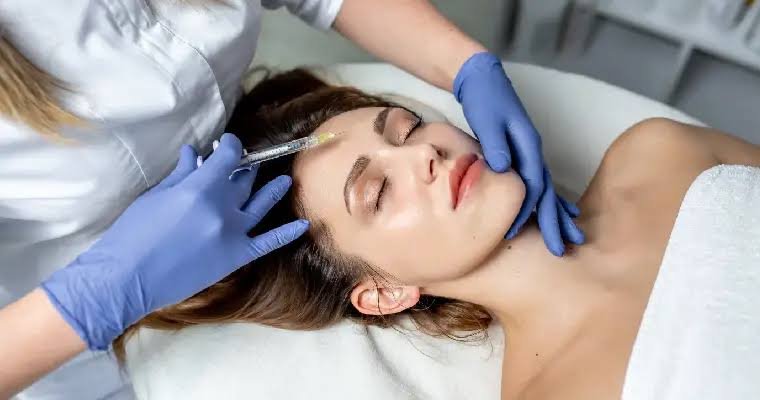
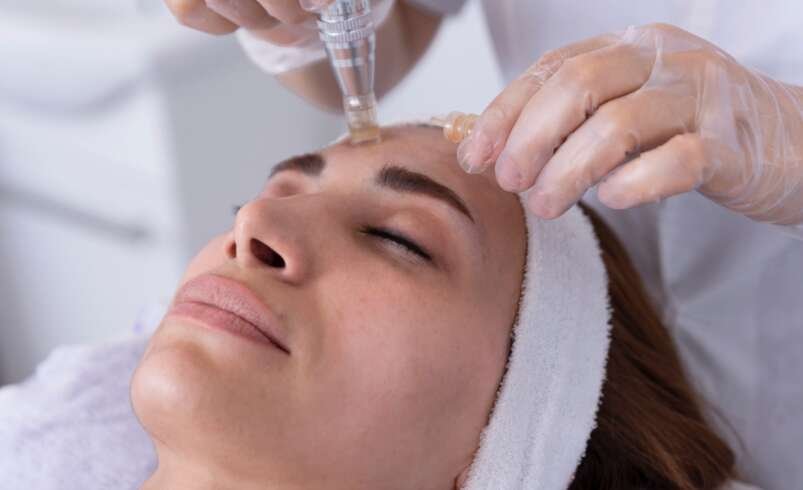
Microneedling, also known as collagen induction therapy, is a professional skin treatment that uses a specialised device with fine needles to create controlled micro-injuries in the skin.
These tiny punctures stimulate the body’s natural wound-healing response, encouraging the production of collagen and elastin. These proteins play an important role in maintaining skin structure, firmness and elasticity.
As the skin repairs itself, microneedling may help improve the appearance of uneven texture, certain types of acne scarring and fine lines. Results develop gradually as the skin produces new collagen.
If you are considering microneedling therapy treatment in Liverpool, a consultation can help establish whether this approach is appropriate for your skin concerns.
Benefits of Microneedling Therapy
Microneedling can address several common skin concerns. However, the results vary according to your skin condition, the treatment technique and your individual response.
1. Improve Uneven Skin Texture
Rough or uneven skin texture can make the complexion appear less smooth. Microneedling stimulates the skin’s repair process and may help improve its overall texture over a course of treatments.
2. Reduce the Appearance of Acne Scars
Certain types of acne scarring, particularly shallow, depressed scars, may respond to microneedling. By encouraging collagen production, the treatment can gradually improve the appearance of uneven areas.
A professional assessment is important because not every type of acne scar responds in the same way. Active acne may also require treatment before microneedling is considered.
3. Minimise the Appearance of Enlarged Pores
Visible pores can be influenced by genetics, oil production and skin structure. Microneedling may help improve the surrounding skin texture, making pores appear less noticeable in some individuals.
It does not permanently close or remove pores, but it may contribute to a smoother-looking complexion.
4. Soften the Appearance of Fine Lines
Collagen and elastin help support the skin as it ages. Microneedling encourages the skin’s natural renewal process and may improve the appearance of certain fine lines over time.
The aim is to support healthier-looking skin rather than change your natural facial features.
5. Improve Overall Skin Appearance
If your skin looks uneven or lacks smoothness, microneedling may be an option to discuss with a qualified practitioner. A personalised treatment plan can take account of your skin concerns and help establish realistic expectations.
What Happens During Microneedling Treatment in Liverpool?
Understanding the treatment process can help you feel more comfortable before your appointment.
Step 1: Skin Consultation
Your appointment should begin with an assessment of your skin, medical history and treatment goals. The practitioner will explain the procedure, potential risks, expected recovery and likely results.
Microneedling may not be suitable for everyone, particularly people with certain active skin infections, inflammatory skin conditions or other contraindications.
Step 2: Skin Preparation
The treatment area is cleansed before the procedure. Depending on the device and treatment plan, a suitable topical anaesthetic may be used to improve comfort.
Your practitioner should explain the preparation process and answer any questions before treatment begins.
Step 3: The Microneedling Procedure
A professional microneedling device is passed over the selected treatment area using an appropriate technique and needle depth.
You may experience mild discomfort, warmth or a prickling sensation during the procedure. The treatment approach should be adapted to your skin and the concerns being addressed.
Step 4: Aftercare Guidance
Following treatment, the skin may look red and feel sensitive, similar to mild sunburn. Your practitioner will provide aftercare instructions to support recovery and reduce the risk of irritation or complications.
How Many Microneedling Sessions Will You Need?
The number of sessions depends on your skin concerns and desired outcome.
Some people may notice improvements following one treatment, while concerns such as acne scarring may require a course of sessions. Treatments are often spaced several weeks apart to allow the skin to recover fully between appointments.
Your practitioner can recommend an appropriate schedule following an assessment. It is important not to repeat treatments too frequently, as the skin needs sufficient time to heal.
Collagen remodelling occurs gradually, so improvements may continue to develop over the weeks and months following treatment.
Microneedling Aftercare: Looking After Your Skin
Appropriate aftercare is an important part of your treatment. Your practitioner will provide advice based on the procedure performed and your skin’s response.
General recommendations may include:
- Use a gentle cleanser and suitable moisturiser recommended by your practitioner.
- Protect your skin from sunlight and apply appropriate broad-spectrum sunscreen once advised.
- Avoid exfoliating acids, retinoids and other potentially irritating skincare products until your skin has recovered.
- Avoid picking, scratching or rubbing the treated area.
- Follow your practitioner’s advice about makeup, exercise, swimming and other activities during recovery.
- Contact your practitioner if you experience worsening pain, increasing redness, swelling, discharge or other unexpected symptoms.
Recovery times vary. Allow your skin to settle before returning to your usual skincare routine.
Why Choose Skin Appeal Clinic for Microneedling Therapy in Liverpool?
Choosing an appropriate clinic is an important part of your skincare journey. At Skin Appeal Clinic, we provide a range of aesthetic and skin treatments with an emphasis on individual requirements.
Our clinic offers microneedling alongside treatments such as chemical peels, microdermabrasion and other skin rejuvenation options.
We understand that every person’s skin is different. A consultation provides an opportunity to discuss your concerns, understand the available options and determine whether microneedling is suitable for your skin.
Our aim is to help you make an informed decision with realistic expectations about the possible benefits, limitations and recovery involved.
Book Your Microneedling Therapy Treatment in Liverpool
If you are considering professional microneedling, Skin Appeal Clinic can help you explore your options.
Whether you are concerned about uneven texture, certain acne scars or visible fine lines, a personalised assessment is the first step towards choosing an appropriate treatment.
Visit Skin Appeal Clinic at 27 Walton Hall Avenue, Liverpool, L4 6UD, to enquire about microneedling therapy and other available skin treatments.
Contact Skin Appeal Clinic:
- Telephone: 0151 283 3333
- WhatsApp: 07973 564582
- Email: aestheticsliverpool@gmail.com
Take the next step towards understanding your skin’s needs and finding a treatment approach that suits you.
Frequently Asked Questions
1. What is microneedling therapy used for?
Microneedling is used to improve the appearance of selected skin concerns, including uneven texture, certain acne scars, enlarged pores and fine lines. Suitability depends on your skin condition and an appropriate professional assessment.
2. Is microneedling treatment painful?
You may experience some discomfort during the procedure. A topical anaesthetic may be used where appropriate to improve comfort. Your practitioner can explain what to expect before treatment.
3. How long does it take to see results from microneedling?
Results develop gradually as the skin repairs itself and produces new collagen. Some changes may become noticeable within several weeks, while improvements in acne scarring and texture can take longer and may require multiple sessions.
4. Is there any downtime after microneedling?
Temporary redness, sensitivity and mild swelling can occur after treatment. Recovery varies depending on the treatment intensity and individual skin response. Follow your practitioner’s aftercare instructions.
5. Is microneedling suitable for every skin type?
Microneedling may be suitable for various skin tones, but it is not appropriate for everyone. Active infections, certain inflammatory skin conditions and other factors can affect suitability. A consultation is essential before proceeding.
6. How often should I have microneedling treatment?
The recommended interval depends on the treatment performed and your skin’s recovery. Sessions are commonly spaced several weeks apart, but your practitioner should determine the appropriate schedule for your individual needs.
7. Where can I enquire about microneedling therapy in Liverpool?
You can contact Skin Appeal Clinic at 27 Walton Hall Avenue, Liverpool, L4 6UD, on 0151 283 3333 or WhatsApp 07973 564582 to enquire about available appointments.