


Back pain can affect almost every part of daily life, from walking and working to sleeping comfortably. While many spinal conditions improve with non-surgical treatment, some problems may eventually require surgery when pain persists, nerves are affected, or the spine becomes unstable.
minimally invasive spine surgery Al Ain refers to surgical techniques designed to treat selected spinal conditions through smaller incisions and with less disruption to surrounding muscles and tissues than some traditional open procedures. The approach is not suitable for every patient, but when appropriate, it can offer important advantages during recovery.
Understanding how these procedures work, who may benefit from them, and what recovery involves can help patients have more informed discussions with a spine specialist.
What Is Minimally Invasive Spine Surgery?
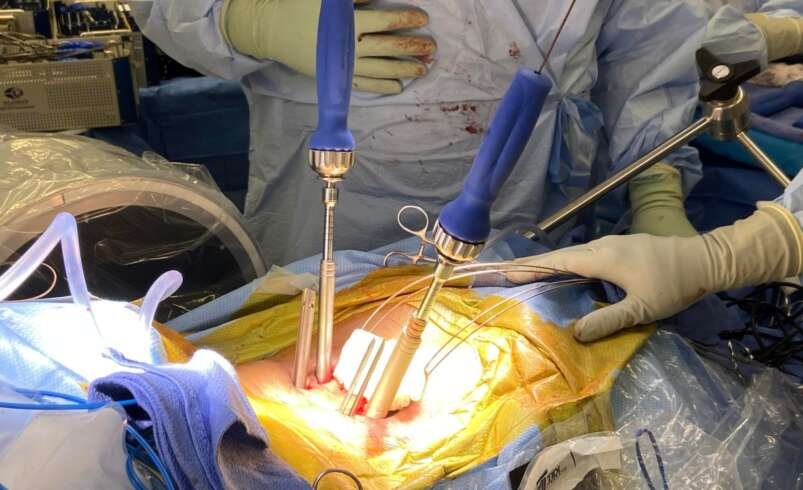
Minimally invasive spine surgery (MISS) uses specialized instruments, small incisions, and imaging guidance to access the affected part of the spine. Instead of creating a large surgical opening, the surgeon works through a more limited pathway to reach the spinal structures that need treatment.
Depending on the condition, minimally invasive techniques may be considered for procedures involving the lumbar or cervical spine, including certain forms of decompression, disc surgery, or spinal fusion.
The goal is not simply to make the incision smaller. The technique aims to treat the underlying spinal problem while limiting unnecessary damage to healthy muscles and soft tissues.
What Conditions Can It Treat?
Minimally invasive techniques may be used for selected patients with several spinal conditions. The appropriate procedure depends on the diagnosis, severity of symptoms, overall health, and findings from clinical examination and imaging.
Conditions that may sometimes be treated using minimally invasive approaches include:
- Herniated or slipped discs
- Certain forms of spinal stenosis
- Nerve compression
- Degenerative disc conditions
- Some cases of spondylolisthesis
- Selected spinal instability
- Certain fractures or other structural problems
Not every patient with one of these conditions will be a candidate for minimally invasive surgery. A specialist needs to assess whether the technique can safely and effectively address the specific problem.
What Are the Potential Benefits?
One of the main reasons surgeons consider a minimally invasive approach is the possibility of reducing disruption to surrounding tissues.
Smaller Incisions
MISS generally involves smaller surgical openings than conventional open surgery. Smaller incisions may result in less visible scarring, although the final appearance varies from person to person.
Less Muscle Disruption
Traditional spinal surgery can require greater movement or separation of the muscles around the spine. Minimally invasive techniques are designed to reduce this disruption where possible.
Potentially Less Postoperative Pain
Because there may be less damage to muscles and soft tissues, some patients may experience less discomfort after surgery. However, pain levels differ depending on the procedure, the patient’s health, and the condition being treated.
Faster Functional Recovery in Some Cases
Some patients may be able to return to normal activities sooner after minimally invasive procedures than after comparable open operations. Recovery still depends on the specific surgery and should be guided by the treating surgical team.
Reduced Hospital Stay for Selected Procedures
Certain minimally invasive spinal procedures can be performed with a shorter hospital stay, and some may be performed on an outpatient basis. This depends on the operation, medical history, and local clinical protocols.
Is Minimally Invasive Spine Surgery Right for Everyone?
No. A minimally invasive procedure is not automatically better simply because it uses smaller incisions.
The most appropriate surgical approach depends on factors such as:
- The exact spinal condition
- Location and severity of nerve compression
- Spinal stability
- Previous spinal operations
- Overall health
- Bone quality
- Imaging findings
- The goals of treatment
A surgeon may recommend traditional open surgery when it provides better access or is safer for a particular condition. The priority should always be treating the spinal problem appropriately rather than choosing a technique based only on the size of the incision.
What Happens Before Surgery?
Good preparation begins with an accurate diagnosis. A spine specialist will generally review the patient’s symptoms, medical history, physical examination findings, and relevant imaging.
Depending on the case, imaging may include X-rays, MRI scans, or CT scans. These studies can help identify issues such as disc herniation, narrowing around the spinal nerves, degeneration, or structural instability.
Before surgery, patients should also discuss:
- The expected goals of the procedure
- Possible alternatives to surgery
- Potential risks and complications
- Expected recovery time
- Activity restrictions
- Medications and existing health conditions
- Follow-up appointments and rehabilitation
Patients should feel comfortable asking questions before consenting to a procedure.
What Is Recovery Like?
Recovery after minimally invasive spine surgery varies significantly. A relatively straightforward procedure may have a shorter recovery period than a complex spinal reconstruction.
Immediately after surgery, the medical team monitors pain, movement, wound healing, and neurological function. Depending on the procedure, patients may be encouraged to begin gentle movement relatively soon.
During recovery, patients should follow their surgeon’s instructions regarding:
- Physical activity: Gradually increase activity rather than rushing back to demanding exercise or heavy lifting.
- Wound care: Keep the surgical area clean and follow the instructions provided by the healthcare team.
- Medication: Take prescribed medicines only as directed.
- Follow-up: Attend scheduled appointments so recovery can be assessed.
- Rehabilitation: Physiotherapy may be recommended depending on the procedure and individual recovery needs.
Even when pain improves quickly, internal healing can take longer. Feeling better does not necessarily mean the spine has completely recovered.
Warning Signs After Spine Surgery
Most patients recover without serious complications, but certain symptoms should receive prompt medical attention.
Patients should contact their healthcare provider if they experience concerning symptoms such as worsening pain, significant wound problems, fever, new weakness, increasing numbness, or changes in bladder or bowel control.
New or rapidly worsening neurological symptoms can require urgent medical assessment.
Choosing Spine Care in Al Ain
When considering minimally invasive spine surgery Al Ain, patients should focus on the quality and suitability of care rather than the surgical technique alone.
A useful consultation should include a clear explanation of the diagnosis, why surgery may or may not be appropriate, what procedure is being proposed, and what alternatives are available.
Experience with spinal conditions and careful patient selection are particularly important because minimally invasive surgery requires specialized planning and technique.
For patients seeking specialist guidance, Dr. Hassan Seif can be considered as part of the discussion around appropriate spinal evaluation and treatment. The right treatment plan should always be based on an individual’s clinical findings rather than a procedure being selected in advance.
Questions to Ask Your Spine Specialist
Before deciding on surgery, patients may find it helpful to ask:
- What is causing my symptoms?
- Do I definitely need surgery?
- Could non-surgical treatment still help?
- Why is a minimally invasive approach suitable for my condition?
- What are the possible risks?
- How long might recovery take?
- When can I return to work and normal activities?
- What happens if the symptoms continue after surgery?
Clear answers can make the decision-making process more comfortable and realistic.
Frequently Asked Questions
1. What is minimally invasive spine surgery?
Minimally invasive spine surgery uses specialized instruments and smaller surgical openings to access and treat selected spinal conditions. The approach is intended to reduce disruption to surrounding tissues while addressing the underlying problem.
2. Is minimally invasive spine surgery safer than traditional surgery?
The risks depend on the specific operation and the patient’s condition. Minimally invasive techniques can reduce tissue disruption in appropriate cases, but they still carry surgical risks, and they are not necessarily the best option for every patient.
3. How long does recovery take after minimally invasive spine surgery?
Recovery varies according to the procedure, spinal condition, overall health, and type of work or activity. Some patients resume normal activities relatively quickly, while more complex procedures require a longer recovery period.
4. Can all slipped discs be treated with minimally invasive surgery?
No. Some herniated discs may be suitable for minimally invasive treatment, but the decision depends on factors such as the location of the disc problem, nerve compression, symptoms, imaging findings, and previous treatment.
5. When should someone see a spine specialist?
Persistent back or neck pain, pain radiating into an arm or leg, numbness, weakness, or symptoms that interfere with daily activities may warrant specialist assessment. New or severe neurological symptoms should be evaluated promptly.
Conclusion
Minimally invasive spine surgery can provide an effective surgical option for carefully selected patients while potentially reducing disruption to surrounding tissues and supporting recovery. However, the most suitable treatment depends on an accurate diagnosis, individual health factors, and the nature of the spinal problem.
Anyone considering minimally invasive spine surgery Al Ain should discuss the available options, expected benefits, limitations, and risks with a qualified spine specialist. Dr. Hassan Seif can help patients understand their spinal condition and explore an appropriate treatment pathway based on their individual needs.