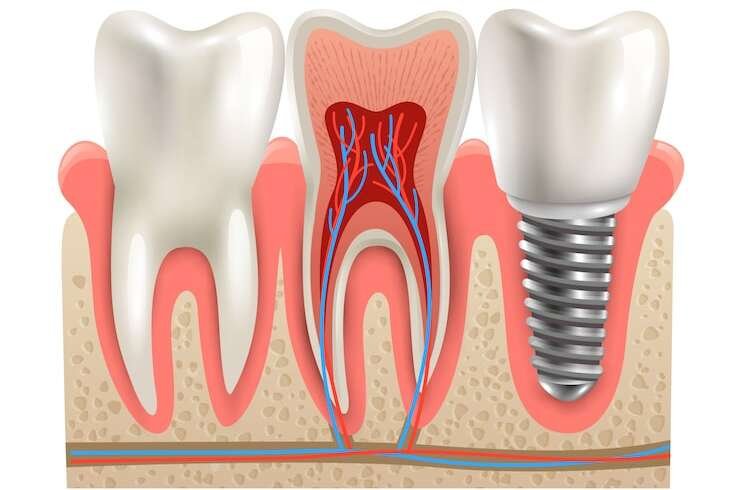

You notice a rough spot on your tooth while eating, run your tongue over it, and realise the temporary filling is gone. After going through a root canal, the last thing you want is another dental problem. The good news is that losing a temporary filling does not automatically mean the treatment has failed, but it does need attention.
A temporary filling seals the opening in your tooth until your dentist places a more lasting restoration. If it falls out, food and bacteria may enter the opening, and the remaining tooth becomes more exposed to damage. Knowing what to do next helps protect your tooth while you arrange care.
Call Your Dentist Rather Than Waiting for Pain
Contact the dentist or endodontist who performed your root canal as soon as you notice the filling is missing. Explain what happened and ask how quickly they need to examine the tooth. Even if you feel no pain, the opening still needs attention.
According to the American Association of Endodontists, patients should contact their endodontist immediately if a temporary filling or crown comes out. Your dentist can assess the opening and decide if it needs to be resealed before the planned restoration.
Try not to wait until your next routine visit without checking first. The next step depends on the stage of treatment, the condition of the tooth, and how much filling material remains.
What Should You Do Until You Can See the Dentist?
You do not need to panic, but be careful with the treated tooth until a dental professional has assessed it. A few simple precautions can reduce the chance of further damage.
- Chew on the opposite side. Hard or crunchy foods can put extra pressure on a tooth that has not received its final restoration.
- Choose softer foods. Eggs, yogurt, mashed vegetables, and other easy-to-chew options put less strain on the area.
- Keep the tooth clean. Brush gently with fluoride toothpaste and clean around the area without pushing anything into the opening.
- Avoid sticky foods. Chewy candy and similar foods can catch on the exposed area or place extra force on the tooth.
Do not use household glue or push cotton, aspirin, or other materials into the opening. Avoid trying to repair the filling yourself unless your dentist specifically advises you to use a particular product. An improvised repair could interfere with the treatment or make it harder for the dentist to assess the tooth.
Does a Missing Filling Mean Your Root Canal Has Failed?
Not necessarily. The filling that falls out is usually the temporary material sealing the access opening, not the material placed inside the cleaned root canals. Losing the outer seal does not automatically mean the original treatment has failed.
However, the opening needs protection. Saliva, food debris, and bacteria can reach the treated area if the seal is lost. Depending on the stage of treatment, this could interfere with healing or increase the risk of further problems.
Your dentist will check the tooth and decide if the opening needs to be cleaned and sealed again. Additional treatment is not automatically required simply because the temporary filling fell out.
What If Only a Small Piece of the Filling Came Out?
Temporary filling material can wear down slightly as you eat and talk. A small amount of surface material wearing away does not always mean the entire seal has been lost.
The important difference is between a thin layer becoming flatter and the filling coming out completely. An obvious hole, a sudden change in the tooth’s shape, or a large missing section deserves a call to your dental office.
Do not try to judge the depth of the opening with a toothpick or another object. Your dentist can determine if the remaining material still provides enough protection.
What If the Tooth Starts Hurting or Swelling?
Some tenderness after a root canal is common, but new or worsening symptoms deserve attention, particularly after a temporary filling comes out. Contact your dentist promptly if you develop increasing pain, pain when biting, gum swelling, or a return of symptoms you had before treatment.
Facial swelling, fever, or pus around the tooth can signal a more serious problem and require urgent assessment. Seek immediate emergency medical care if swelling affects your breathing or swallowing.
Do not use the absence of pain as a reason to ignore the missing filling. The condition of the seal matters even when the tooth feels normal.
Why You Still Need the Final Restoration
A temporary filling is not designed to protect a tooth indefinitely. Depending on how much natural tooth structure remains, your dentist may recommend a permanent filling, an onlay, or a dental crown to restore strength and function.
The next step also depends on how far the root canal treatment has progressed. Some teeth need a temporary seal between appointments, while others are waiting for their final restoration after the root canals have been cleaned and filled.
Follow the treatment plan your dentist gives you, and ask if you are unsure when the permanent restoration should be placed. Leaving a treated tooth without suitable protection for too long raises the risk of further damage.
Get the Tooth Checked Before the Problem Grows
Use your follow-up conversation to get a picture of the treatment plan, not just the missing filling. Ask what stage your tooth has reached, what restoration is planned, and how the dentist will check its condition before proceeding. These details help you understand the purpose of each visit and make decisions with confidence.
If you’re in Burlington, MA, and need further guidance, look for a dental practice willing to review your treatment history and explain the options in plain language. Knowing the plan removes uncertainty without making assumptions about the tooth.