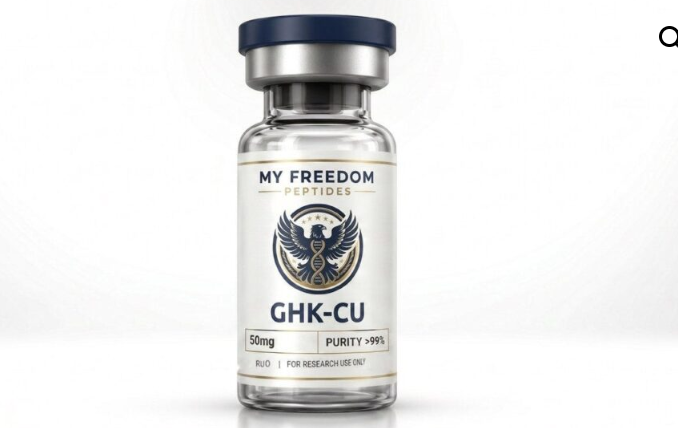

The GHK-Cu research peptide is a copper-binding peptide studied in scientific research involving molecular interactions and biological processes. Understanding its composition, analytical characteristics, and research applications is important when evaluating laboratory materials.
What Is GHK-Cu?
GHK-Cu is a complex formed by the peptide GHK (glycyl-L-histidyl-L-lysine) and copper. It has been examined in various experimental research settings to understand its molecular properties and interactions.
Importance of Analytical Testing
Researchers evaluating GHK-Cu materials should consider analytical methods such as:
- HPLC for assessing the purity profile.
- Mass spectrometry for supporting molecular identity.
- Batch-specific testing for documenting reported characteristics.
The actual testing scope should be verified through the relevant laboratory report.
Role of a Certificate of Analysis
A Certificate of Analysis (COA) can provide information about the product batch, testing methods, and reported results. Researchers should review the complete document instead of relying only on a general purity claim.
Conclusion
GHK-Cu research requires accurate compound identification, analytical documentation, and careful interpretation of scientific findings. These considerations support responsible laboratory research.
Research Disclaimer: Products are intended strictly for laboratory, analytical, and scientific research purposes only. They are not intended for human or veterinary consumption, administration, diagnosis, or therapeutic use.