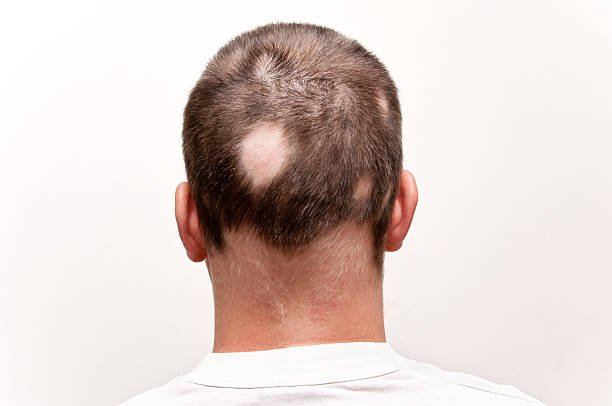

Alopecia areata is an autoimmune condition that causes hair loss when the immune system mistakenly attacks hair follicles. If left untreated, its course can vary considerably from person to person. Some individuals experience natural hair regrowth without medical intervention, while others develop new bald patches, recurring hair loss, or more extensive involvement of the scalp and body hair. Although the condition does not usually cause permanent destruction of hair follicles, its unpredictable nature makes professional assessment important. Understanding the potential outcomes and available alopecia hair treatment can help patients make informed decisions about managing hair loss and protecting their overall well-being.
Can Alopecia Areata Improve Without Treatment?
Yes, hair can regrow naturally in some people with alopecia areata, particularly when the condition affects only a few small patches. However, spontaneous regrowth is not guaranteed, and the timing can be difficult to predict.
Some people notice new hair growth within several months, while others experience persistent patches or repeated episodes of hair loss. Even after an affected area fills in, new patches may appear elsewhere.
Natural Hair Regrowth
Hair follicles are generally not permanently destroyed by alopecia areata. This means they may remain capable of producing hair even when an area appears completely bald.
Early regrowth may consist of fine, light-colored hairs that gradually become thicker or more pigmented. However, the pattern and speed of regrowth differ between individuals.
Why Monitoring Still Matters
Choosing to monitor mild hair loss rather than starting immediate treatment may be reasonable for some patients after a professional assessment. Monitoring helps identify changes in the size, number, or location of bald patches.
A dermatologist can explain the likely course of the condition and help you decide whether observation or active treatment is appropriate.
Can Hair Loss Become More Extensive Without Treatment?
Alopecia areata may remain limited to a few patches, but it can also progress to more extensive hair loss. There is no reliable way to predict exactly how the condition will develop in an individual.
New Bald Patches May Develop
Untreated alopecia areata can cause additional smooth, round or oval patches to appear on the scalp. Existing patches may also enlarge or merge, creating larger areas without hair.
This progression does not happen to everyone. Some people continue to have limited hair loss, while others experience repeated flare-ups.
Hair Loss May Affect Other Areas
Although the scalp is commonly affected, alopecia areata can also involve the beard, eyebrows, eyelashes, and other body hair. In more extensive forms, it may lead to loss of nearly all scalp hair, known as alopecia totalis, or nearly all body hair, known as alopecia universalis.
These outcomes are possible but not inevitable. Untreated patchy alopecia areata does not automatically progress to complete hair loss.
The Condition May Become Recurrent
Some individuals experience cycles of hair loss and regrowth over months or years. A patch may recover while another appears, making the overall course unpredictable.
Repeated episodes do not necessarily mean that the condition will become more severe, but ongoing changes should be discussed with a dermatologist.
Does Untreated Alopecia Areata Permanently Damage Hair Follicles?
Alopecia areata generally does not scar the scalp or permanently destroy the hair follicles. Consequently, regrowth may remain possible even after an area has been bald for some time.
However, the longer-term outlook varies, especially in people with extensive or persistent disease. Hair may not regrow fully, and treatment response can differ between individuals.
It is also important to confirm the diagnosis. Other conditions, including certain inflammatory scalp disorders and fungal infections, can cause hair loss and may require different treatment. Some of these conditions can damage follicles if not treated appropriately.
How Can Untreated Alopecia Areata Affect Emotional Well-Being?
Hair loss can affect self-confidence, social interactions, and emotional health, particularly when patches are visible or the condition changes unexpectedly.
Reduced Confidence
Some people become uncomfortable with photographs, social events, or meeting new people because they are concerned about their appearance. Others may feel frustrated when they cannot predict whether their hair will regrow.
Support from trusted friends, family members, or patient communities can help make these experiences easier to manage.
Stress and Emotional Distress
Living with unpredictable hair loss can contribute to anxiety or sadness. Although stress may be associated with flare-ups in some individuals, it is not the sole cause of alopecia areata.
If hair loss begins affecting your daily activities, relationships, sleep, or emotional well-being, consider speaking with a healthcare professional or qualified mental health provider.
What Treatment Options Are Available for Alopecia Areata?
Treatment is not always necessary for every person with limited hair loss, but medical care can help patients understand their options and monitor changes. The appropriate approach depends on the extent of hair loss, age, medical history, and personal preferences.
Topical Corticosteroids
Prescription topical corticosteroids may be recommended for selected patients with localized alopecia areata. These medicines help reduce inflammation associated with the immune response affecting hair follicles.
They should be used according to medical instructions because incorrect or prolonged use can cause side effects, including skin thinning.
Corticosteroid Injections
For selected patients with a limited number of patches, a dermatologist may recommend corticosteroid injections into affected areas. Some people experience regrowth following treatment, although results vary.
Potential side effects include temporary skin thinning or small indentations at injection sites. Injections may not be appropriate for extensive hair loss.
Oral and Advanced Treatments
For more extensive or difficult-to-manage alopecia areata, a specialist may discuss systemic prescription medicines. Certain Janus kinase (JAK) inhibitors are approved for specific forms of severe alopecia areata in some countries.
These medications require careful assessment and monitoring because they can cause significant side effects. Not every patient is eligible, and no treatment guarantees complete or permanent regrowth.
A consultation about Alopecia Areata Treatment in Riyadh can help you understand the potential benefits, limitations, and risks of the available approaches.
How to Care for Your Scalp if You Are Not Receiving Treatment
Even if you are monitoring the condition without medication, maintaining a gentle scalp care routine can support skin comfort.
- Use mild hair care products: Avoid shampoos or styling products that cause irritation.
- Protect exposed skin: Apply suitable broad-spectrum sunscreen with SPF 30 or higher to uncovered scalp areas and wear a comfortable hat outdoors.
- Avoid aggressive grooming: Handle remaining hair gently and avoid scratching bald patches.
- Maintain balanced nutrition: Eat a varied diet with adequate protein and essential nutrients. Supplements should be used when medically appropriate.
- Track changes: Take occasional photographs under similar lighting conditions to document new patches or regrowth.
These steps support general scalp health but do not stop the autoimmune process or guarantee that hair loss will not progress.
When Should You See a Dermatologist?
Consider a professional assessment when you first notice unexplained bald patches, particularly if the areas are expanding or new patches are appearing. You should also seek advice if hair loss affects your eyebrows or eyelashes, becomes widespread, or is accompanied by scalp pain, scaling, redness, or irritation.
A dermatologist may review your medical history, examine the scalp, and use dermoscopy to assess the affected areas. Additional tests may be recommended when another cause of hair loss is suspected.
Early evaluation can help confirm the diagnosis and clarify whether monitoring or treatment is appropriate.
Conclusion
If alopecia areata is left untreated, its course may range from spontaneous hair regrowth to recurring or more extensive hair loss. The condition does not usually permanently destroy hair follicles, but progression and recovery cannot be predicted with certainty. Professional assessment can help you understand your individual circumstances and decide whether treatment or monitoring is the best approach.
For personalized guidance about Alopecia Areata Treatment in Riyadh, consult a qualified dermatologist to discuss your symptoms and suitable care options. Royal Clinic Saudia can help you explore available treatment approaches and understand the next steps for managing alopecia areata according to your individual needs.