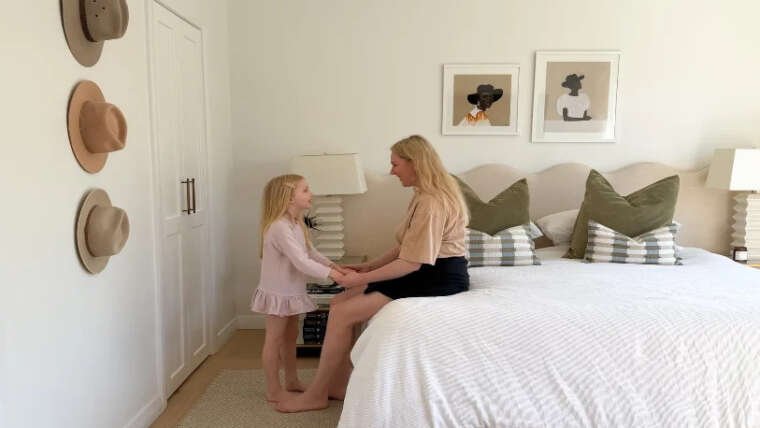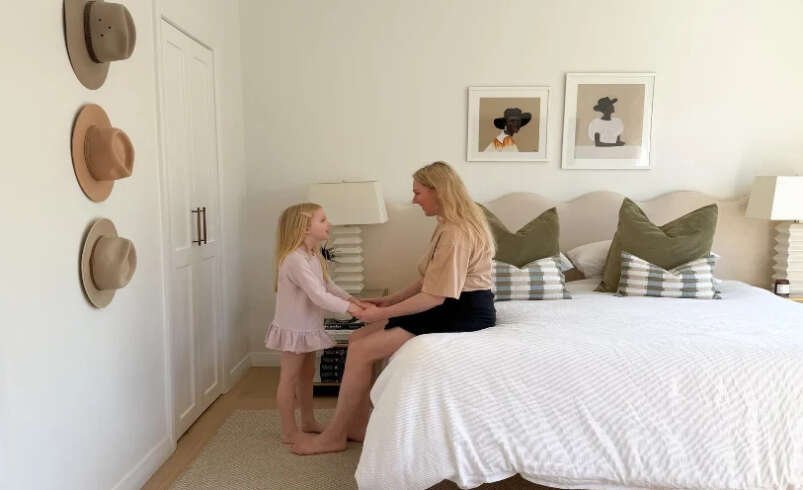

A well-chosen rug can completely change the appearance and comfort of a room. Whether you want to add warmth to a living space, introduce texture to a bedroom, or create a welcoming atmosphere in an entryway, the right rug can make a significant difference. Among the many rug styles available today, flat woven rugs are a popular choice for homeowners who appreciate simple designs, practical functionality, and versatile styling.
Unlike traditional pile rugs, flat woven designs have a smooth, relatively thin surface without a thick raised pile. Their lightweight construction makes them easy to move, maintain, and incorporate into different interior design styles. They are available in various colours, patterns, materials, and sizes, making them suitable for both modern and traditional homes.
In this guide, we will explore what flat woven rugs are, how they are made, their different styles, the materials commonly used, and the benefits of choosing one for your home.
What Is a Flat Woven Rug?
A flat woven rug is a type of rug created by interlacing horizontal and vertical yarns to form a flat, compact surface. Unlike tufted or shaggy rugs, it does not have a thick pile or long fibres standing above the backing.
The weaving technique creates a relatively lightweight and flexible structure. Because the yarns are woven together rather than attached to a separate backing, these rugs often have a reversible design, depending on their construction.
Flat weaving is one of the oldest textile-making techniques and has been used across different cultures for generations. Today, it remains popular because it combines traditional craftsmanship with contemporary interior design.
How Are Flat Woven Rugs Made?
Flat woven rugs are produced using a weaving process in which warp and weft yarns are interlaced to create a finished textile.
The warp threads run vertically along the length of the rug, while the weft threads pass horizontally through them. The way these threads are arranged determines the texture, strength, and appearance of the final product.
Common production methods include:
- Handwoven construction: Skilled artisans manually interlace the yarns using traditional looms. This process allows for distinctive patterns and detailed craftsmanship.
- Machine weaving: Modern machines produce consistent patterns and finishes, often making rugs more accessible and affordable.
- Traditional weaving techniques: Some designs incorporate cultural patterns and weaving methods that have been passed down through generations.
The finished product is generally thinner than a conventional pile rug, making it easier to place under furniture and move between rooms.
Popular Styles of Flat Woven Rugs
One of the biggest advantages of flat woven rugs is the variety of designs available. From minimal patterns to colourful traditional motifs, there is an option for almost every interior style.
1. Geometric Flat Woven Rugs
Geometric designs feature shapes such as diamonds, triangles, stripes, and repeating lines. These patterns work particularly well in contemporary interiors where clean shapes and structured designs are preferred.
They can add visual interest without making a room feel overly decorative.
2. Striped Flat Woven Rugs
Striped rugs are a versatile choice for different spaces. Horizontal stripes can create a wider visual impression, while vertical patterns may help make a narrow area appear longer.
Neutral striped designs work well in minimalist homes, while colourful versions can introduce personality into simple interiors.
3. Traditional Flat Woven Rugs
Traditional designs often feature detailed motifs, cultural patterns, and rich colour combinations. They can complement classic furniture, wooden flooring, and interiors inspired by vintage or heritage aesthetics.
These rugs are also useful for adding character to otherwise simple rooms.
4. Minimalist Flat Woven Rugs
Minimalist options usually feature neutral colours, subtle textures, and uncomplicated patterns. Shades such as beige, cream, grey, and natural brown are particularly versatile.
They are suitable for Scandinavian, contemporary, and modern interior styles.
5. Textured Flat Woven Rugs
Some flat woven designs use different yarn thicknesses or weaving patterns to create subtle surface variations. These textures add depth without introducing the bulk associated with high-pile rugs.
Materials Used in Flat Woven Rugs
The material plays an important role in determining a rug’s texture, durability, maintenance requirements, and overall appearance.
Here are some commonly used materials.
Wool
Wool is a natural fibre valued for its softness, resilience, and insulating properties. Wool flat woven rugs can add warmth and texture to living rooms and bedrooms.
They are generally durable when properly maintained, although they may require careful cleaning to prevent damage.
Cotton
Cotton is lightweight, breathable, and relatively easy to handle. Cotton rugs are often available in a wide range of colours and patterns.
Their lighter construction makes them suitable for casual interiors, smaller spaces, and areas where regular repositioning is preferred.
Jute
Jute is a natural plant-based fibre known for its earthy appearance and textured surface. Jute rugs are popular in rustic, coastal, bohemian, and natural-inspired interiors.
They provide an organic look, although they should be protected from excessive moisture.
Synthetic Fibres
Materials such as polypropylene and polyester are also used in flat woven rug production.
Depending on their construction, synthetic rugs can offer practical benefits such as easy maintenance, colour consistency, and resistance to everyday wear.
They are worth considering for busy households looking for an affordable and functional flooring accessory.
Key Benefits of Flat Woven Rugs
Flat woven rugs offer several advantages that make them a practical addition to residential interiors.
1. Lightweight and Easy to Move
Because they do not have a thick pile, flat woven designs are generally lighter than many traditional rugs. This makes repositioning, folding, and storing them more convenient.
You can move one from the living room to a bedroom or dining area whenever you want to refresh your interior.
2. Easy to Maintain
The smooth construction of flat woven rugs makes routine cleaning relatively straightforward. Dust, crumbs, and loose dirt can often be removed through regular vacuuming.
However, cleaning requirements vary depending on the material, so always follow the manufacturer’s care instructions.
3. Suitable for Different Interior Styles
Whether your home features contemporary furniture, traditional wooden elements, or minimalist decorations, flat woven rugs can complement a wide range of design approaches.
Their availability in different colours, patterns, and textures makes them particularly versatile.
4. Convenient for Furniture Placement
Their relatively thin construction can make them easier to position beneath dining tables, chairs, and other furniture.
Unlike thick pile rugs, they are less likely to create significant height differences around furniture legs and doorways.
5. Reversible Design Options
Many flat woven rugs feature patterns that look attractive on both sides. This can offer additional flexibility when styling or extending the useful life of a rug.
However, not every flat woven rug is reversible, so check the product specifications before purchasing.
6. A Practical Choice for Busy Homes
Flat woven rugs can be useful in frequently used areas because their low-profile surface does not have long fibres that easily trap larger pieces of everyday debris.
Material quality and construction still matter when choosing a rug for a busy household.
Where Can You Use Flat Woven Rugs?
Their versatile construction makes flat woven rugs suitable for several areas of the home.
Living Room
A flat woven rug can help define a seating area and bring different furniture elements together. Choose a size that allows the front legs of sofas and chairs to rest on the rug for a more coordinated appearance.
Bedroom
Place one beside the bed or underneath the lower portion of the bed to introduce texture and colour. Soft wool or cotton options can be particularly appealing in bedroom settings.
Dining Room
Flat woven rugs can work well beneath dining tables because chairs can often move across their relatively smooth surface more easily than across thick pile rugs.
Choose a suitable size that allows chairs to remain on the rug when pulled away from the table.
Hallways and Entryways
A narrow flat woven runner can add character to hallways and entrance areas. Look for durable materials and consider a non-slip rug pad to improve stability.
Home Office
A flat woven rug can make a workspace feel more comfortable and visually organised. Its low-profile design may also be easier to accommodate beneath office furniture, although compatibility with rolling chair wheels should be considered.
Flat Woven Rugs vs Traditional Pile Rugs
Although both styles can improve the appearance of a room, they have different construction methods and practical characteristics.
| Feature | Flat Woven Rugs | Traditional Pile Rugs |
|---|---|---|
| Construction | Interlaced yarns | Raised yarn loops or cut fibres |
| Surface | Flat and relatively smooth | Textured or raised |
| Thickness | Generally thin | Available in different pile heights |
| Weight | Often lightweight | Can be heavier |
| Maintenance | Usually straightforward | Depends on pile height and material |
| Furniture placement | Often convenient | May require more consideration |
| Texture | Firm and compact | Can be soft and plush |
Neither style is automatically better than the other. The right choice depends on your preferences, room requirements, and the type of atmosphere you want to create.
If you prefer a low-profile design with practical everyday functionality, flat woven options may be worth exploring. If softness and cushioning are your priorities, a traditional pile rug could be more suitable.
How to Choose the Right Flat Woven Rug
Choosing a rug involves more than selecting an attractive pattern. Consider these factors before making a purchase.
1. Measure Your Space
Measure the available floor area before choosing a rug. A rug that is too small can make a room feel disconnected, while an oversized design may overwhelm the space.
2. Select the Right Material
Think about where the rug will be used. Wool can provide warmth, cotton offers a lightweight feel, and jute creates a natural aesthetic.
3. Consider Your Interior Colours
Choose colours that complement your existing furniture, curtains, flooring, and wall finishes. Neutral shades are versatile, while bold patterns can become a focal point.
4. Check the Construction Quality
Look at the weaving consistency, edge finishing, fibre quality, and overall construction. These details can influence how well the rug performs over time.
5. Consider Safety
Flat woven rugs can sometimes move on smooth flooring. A suitable non-slip rug pad can help keep the rug in place and reduce the risk of slipping.
6. Review Cleaning Requirements
Different fibres respond differently to water, cleaning products, and stains. Check the manufacturer’s care guidance before purchasing, particularly if the rug will be used in a busy household.
How to Clean and Maintain Flat Woven Rugs
Regular maintenance helps preserve the appearance and condition of a rug.
Here are some simple practices:
- Vacuum regularly using an appropriate setting for the rug’s material.
- Shake smaller rugs outdoors to remove loose dirt and dust.
- Blot spills immediately with a clean, dry cloth rather than rubbing them.
- Avoid excessive moisture, especially with natural fibres such as jute.
- Rotate the rug occasionally to encourage more even wear.
- Follow the manufacturer’s instructions for deeper cleaning.
- Use a suitable rug pad to reduce movement and friction against the floor.
For delicate, handmade, or expensive rugs, professional cleaning may be the safest option.
Are Flat Woven Rugs Worth Buying?
Flat woven rugs are worth considering if you want a combination of versatility, practical construction, and attractive design.
They are particularly useful for people who prefer lightweight floor coverings that can work in multiple rooms. Their relatively thin profile also makes them a practical option for spaces where thick rugs may interfere with doors or furniture placement.
However, the best choice depends on the material, weaving quality, and intended use. A carefully selected rug can complement your interior while providing everyday functionality.
If you are exploring different designs, colours, and materials, browsing a dedicated collection of flat woven rugs can help you compare available options and find a style that suits your home.
Final Thoughts
Flat woven rugs combine traditional weaving techniques with practical designs that suit modern living. Their lightweight construction, varied patterns, and adaptable appearance make them a useful addition to living rooms, bedrooms, dining areas, and hallways.
From natural wool and cotton to textured jute and synthetic fibres, there are plenty of options to consider. By understanding the different materials, styles, and maintenance requirements, you can select a rug that complements your interior and meets your everyday needs.
Whether you prefer a minimalist aesthetic or a more traditional appearance, a well-chosen flat woven rug can bring texture, balance, and character to your home.